Imagine you’re out on a quiet lake, casting your line, expecting to reel in a familiar native trout. Instead, up comes this bizarre, spiky creature that looks like it swam straight out of a sci-fi movie. That’s the lionfish for you—a real-life invader that’s turned paradise reefs into battlegrounds. I’ve been diving in the Caribbean a few times, and let me tell you, spotting schools of these venomous beauties isn’t the thrill it sounds like. They’re everywhere, gobbling up local fish like it’s an all-you-can-eat buffet. Stories like this aren’t rare; invasive fish are reshaping waters worldwide, often with devastating consequences. In this deep dive, we’ll explore 10 of the most notorious ones, unpacking their origins, why they’re such troublemakers, and what we can do about them. We’ll look at real-world impacts, compare their havoc, and even touch on tools for control—because knowledge is the first step to fighting back.
What Are Invasive Fish Species?
Invasive fish are those non-native swimmers that hitch a ride to new waters—often thanks to us humans—and then thrive at the expense of everything else. They’re not just visitors; they outcompete locals for food, space, and survival, sometimes wiping out entire populations. Think of them as uninvited guests who eat all the snacks, break the furniture, and scare away your friends. These species arrive via aquarium releases, ballast water from ships, or even intentional stocking for fishing or pest control. Once established, they disrupt ecosystems in ways that can take decades to fix, if ever.
Why Invasive Fish Are a Growing Global Threat
The problem with invasive fish isn’t just their numbers; it’s how they throw entire aquatic worlds off balance. They can alter water quality, spread diseases, and decimate biodiversity, leading to economic hits like lost fisheries or tourism dollars. Take my buddy who runs a charter boat in Florida—he’s seen firsthand how these invaders scare off the game fish that draw in anglers. It’s not all doom and gloom, though; some places are fighting back with clever strategies. But ignoring them? That’s like letting a small leak turn into a flood. Globally, they’ve cost billions, and with climate change opening new pathways, the issue is only heating up.
The Lionfish: Venomous Beauty Turned Nightmare
Native to the Indo-Pacific, lionfish were likely released from aquariums in the 1980s along the U.S. Atlantic coast. Now they’ve spread like wildfire across the Caribbean and Gulf of Mexico, with no natural predators to keep them in check. Their flashy stripes and spines hide a ravenous appetite—they devour up to 79 species of fish and crustaceans, slashing native populations by 80% in some reefs. It’s heartbreaking; I once snorkeled in the Bahamas and saw barren coral where vibrant life used to thrive.
Asian Carp: The Leaping Menace of Rivers
Hailing from eastern Asia, these hefty fish—silver, bighead, and others—were imported to U.S. aquaculture ponds in the 1970s to control algae. Floods let them escape into the Mississippi River system, where they’ve exploded northward toward the Great Lakes. They outcompete natives by filter-feeding plankton, starving out young fish and disrupting food webs. In places like the Illinois River, they’ve become 90% of the biomass, turning waterways into carp-dominated wastelands. Picture boating and getting smacked by a 40-pound jumper—it’s no joke, and it’s costing millions in barriers.
Northern Snakehead: The “Frankenfish” That Walks
From northern China and Korea, snakeheads slithered into U.S. waters via live food markets and releases starting in the early 2000s. Found in Maryland ponds first, they’ve spread to rivers in several states. Air-breathers that can survive on land for days, they prey on anything that fits in their toothy maws, decimating frogs, birds, and fish. In Potomac River tributaries, they’ve reduced native bass by up to 50%. I chuckle thinking of headlines calling them monsters, but the real horror is their hybrid vigor with locals.
Walking Catfish: The Land-Crawler Invader
Southeast Asia’s gift to Florida in the 1960s, via the aquarium and food trade, this slimy wanderer uses its fins to “walk” between ponds during rains. It’s invaded stock farms, feasting on cultured fish and disrupting operations. By uprooting vegetation and burrowing, it muddies waters and harms amphibians. In Everglades canals, populations have boomed, competing with natives like bass. Farmers now fence ponds, but it’s like plugging holes in a sieve—humorous if it weren’t so frustrating.
Common Carp: Mud-Stirring Ecosystem Wrecker
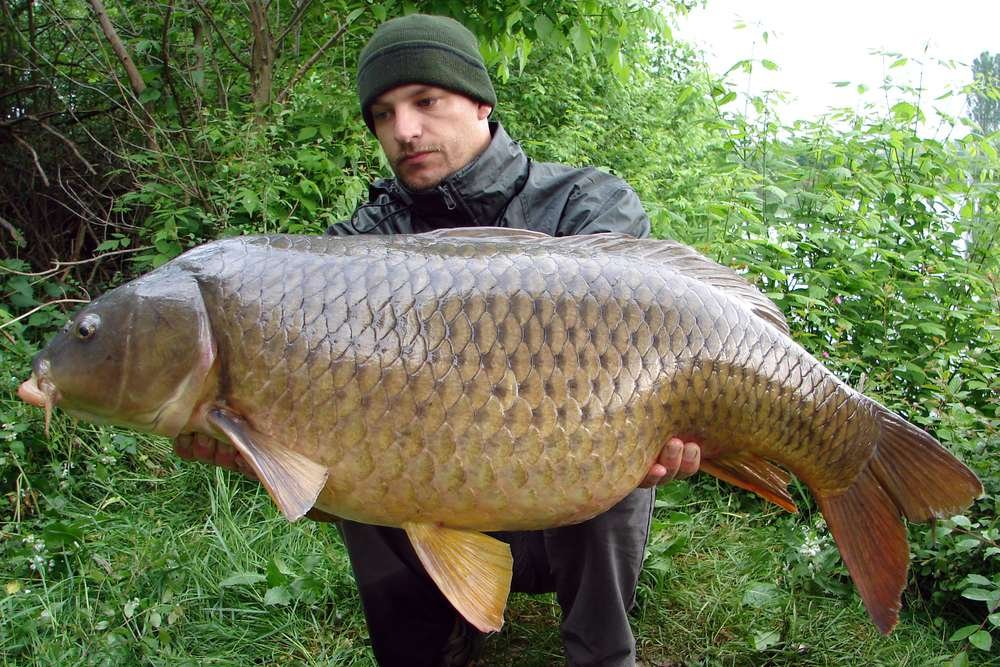
Originally from Europe and Asia, common carp were stocked worldwide in the 1800s for food. In Australia and the U.S., they’ve turned lakes turbid by rooting in sediments, killing plants and spiking algae blooms. This has crashed native fish like perch by 70% in some Midwest waters. I recall fishing in a once-clear pond now murky from carp—it’s like they threw a dirt party and forgot to clean up.
Mosquitofish: The Failed Pest Controller
Native to the southern U.S. and Mexico, mosquitofish were shipped globally from the 1920s to eat mosquito larvae. Ironically, in Australia and elsewhere, they’ve bullied natives, nipping fins and outeating them, while barely denting mosquitoes. In California streams, they’ve displaced red-legged frogs, pushing them toward extinction. It’s a classic backfire—meant to help, but now we’re building robot predators to stress them out and curb breeding.
Nile Perch: Lake Victoria’s Giant Predator
From the Nile River basin, this behemoth was introduced to Lake Victoria in the 1950s for fisheries. It devoured over 200 cichlid species, collapsing biodiversity and altering the food chain. The lake’s fishery shifted to perch exports, but locals suffered malnutrition from lost small fish. A single female lays millions of eggs—talk about overachieving. Efforts now include overfishing them to restore balance.
Sea Lamprey: The Vampire of the Great Lakes
Native to the Atlantic, lampreys entered the Great Lakes via canals in the 1800s. These jawless parasites latch on and suck blood from fish like trout, killing up to 85% in some populations before controls. They decimated fisheries, costing $10 million yearly. Barriers and lampricides have cut numbers by 90%, but it’s an ongoing battle—eerie, like a horror flick in freshwater.
Round Goby: The Bottom-Dweller Takeover
From the Black and Caspian Seas, gobies hitched rides in ballast water to the Great Lakes in the 1990s. Aggressive and prolific, they eat eggs of natives like sturgeon, spreading toxins up the chain. In Lake Erie, they’ve displaced sculpins and boosted botulism outbreaks in birds. They’re small but mighty, turning bottoms into goby ghettos.
Rainbow Trout: The Popular Invader
Western U.S. natives, rainbows were stocked globally for sport since the 1800s. In New Zealand and Patagonia, they’ve outcompeted galaxiids, hybridizing and reducing natives by 50%. Anglers love them, but in streams I’ve hiked, they’ve edged out cutthroats—bittersweet for a fly-fisher like me.
Comparing the Invaders: A Side-by-Side Look
To grasp the scale, here’s a table breaking down key traits:
| Species | Native Range | Main Introduction Method | Key Impacts | Estimated Economic Cost (Global) |
|---|---|---|---|---|
| Lionfish | Indo-Pacific | Aquarium releases | Reduces reef fish by 80% | $1 billion+ in fisheries loss |
| Asian Carp | Eastern Asia | Aquaculture escapes | Dominates biomass, starves natives | $200 million/year in U.S. |
| Northern Snakehead | China/Korea | Food trade releases | Predates on diverse species | Millions in control efforts |
| Walking Catfish | Southeast Asia | Trade escapes | Disrupts farms, muddies waters | Farm losses in millions |
| Common Carp | Europe/Asia | Stocking for food | Increases turbidity, algae blooms | $37 billion globally (partial) |
| Mosquitofish | Southern U.S. | Mosquito control | Displaces amphibians, fish | Unknown, but widespread |
| Nile Perch | Nile Basin | Fishery enhancement | Extincted 200+ species | Altered $100 million fishery |
| Sea Lamprey | Atlantic | Canal connections | Kills host fish massively | $10 million/year |
| Round Goby | Black/Caspian Seas | Ballast water | Egg predation, toxin spread | Great Lakes cleanup costs |
| Rainbow Trout | Western U.S. | Sport stocking | Hybridizes, outcompetes | Biodiversity loss in billions |
This comparison shows no one’s a lightweight—each packs a punch in its niche.
The Pros and Cons of Invasive Fish Management
Managing these finned foes has upsides and downsides.
Pros:
- Protects natives and biodiversity.
- Boosts economies via restored fisheries.
- Encourages community involvement, like lionfish derbies.
Cons:
- Methods like poisons can harm non-targets.
- Costly—barriers alone run millions.
- Some, like eating invasives, face cultural hurdles.
Weighing them, action beats inaction every time.
Real-Life Impacts: Case Studies from Around the World
Let’s get real with examples. In Lake Victoria, Nile perch introduction seemed genius for protein, but it erased cichlids that locals relied on, spiking poverty and malnutrition. Over in the Great Lakes, sea lamprey crashed trout stocks from 15 million pounds annually to near zero in the 1950s, only rebounding after controls. And lionfish in the Atlantic? They’ve gobbled 65% of biomass in some areas, threatening $1 billion in tourism. These stories hit home—my own lake trips feel different knowing what’s lurking.
Best Tools for Controlling Invasive Fish
Wondering where to get started? Electric barriers block Asian carp in Chicago canals—check the U.S. Army Corps site for details. For lionfish, spear guns and traps are go-tos; NOAA offers guides. Chemical treatments like rotenone eradicate in closed ponds, available via fisheries suppliers. Biocontrol, like viruses for carp, is emerging—see Australian plans. Always consult locals; tools vary by region.
People Also Ask: Common Questions on Invasive Fish
Drawing from Google trends:
- What is an aquatic invasive species? Non-natives harming ecosystems, like lionfish disrupting reefs.
- How do invasive fish get introduced? Via ships, aquariums, or stocking—ballast water’s a big culprit.
- What are the effects of invasive fish? They outcompete, predate, and alter habitats, costing billions.
- Can you eat invasive fish? Yes! Lionfish tacos are tasty and help control populations.
FAQ: Answering Your Burning Questions
What makes a fish species invasive?
It’s non-native, spreads rapidly, and causes harm—think competition or predation that tips balances.
How can I help prevent invasive fish spread?
Clean gear, don’t release pets, report sightings—simple steps add up.
Are there any benefits to invasive fish?
Some provide food or sport, like Nile perch fisheries, but cons usually outweigh.
What’s the worst invasive fish?
Tough call—Asian carp for scale, lionfish for speed—but all are problematic.
Where can I learn more about local invasives?
Check USGS or state wildlife sites; internal links like our guide to U.S. invasives help.
In wrapping up, these 10 invaders remind us nature’s delicate. From my dives to your local stream, we’ve all got a stake. By staying informed—maybe even joining a removal event—we can turn the tide. For more, explore external resources like NOAA’s invasive hub or IUCN’s list. Let’s keep our waters wild and welcoming—for the right reasons.