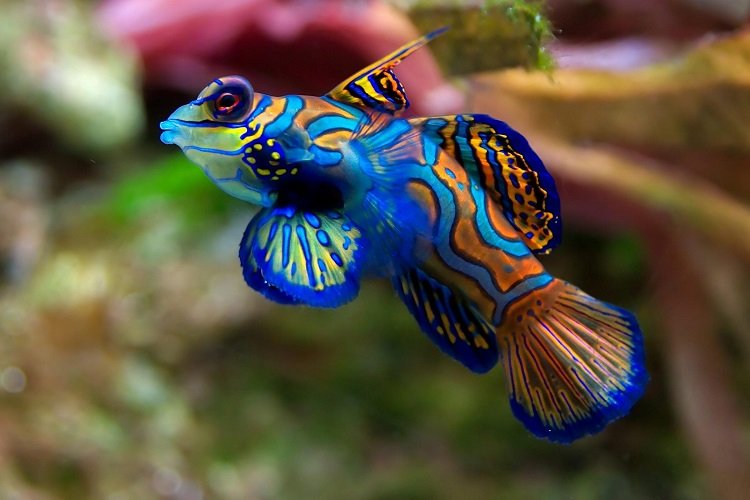
Starting a saltwater aquarium is like diving into a vibrant underwater world right in your living room. The shimmering colors, graceful movements, and unique behaviors of marine fish can turn a simple tank into a living piece of art. But for beginners, the saltwater hobby can feel daunting—water chemistry, tank cycling, and fish compatibility are just the start. When I set up my first 30-gallon tank, I was overwhelmed, staring at a pet store’s wall of fish, wondering which ones wouldn’t perish under my novice care. The good news? There are hardy, forgiving saltwater fish perfect for beginners that make the journey rewarding and fun. This guide covers the 12 best saltwater fish for beginners, carefully selected for their ease of care, affordability, and compatibility, ensuring your aquarium thrives while you learn the ropes.
Why Choose Saltwater Fish as a Beginner?
Saltwater fishkeeping offers a dazzling array of species, but it’s more complex than freshwater setups. Unlike freshwater fish, marine species require stable water parameters, specific diets, and compatible tank mates. Choosing beginner-friendly fish reduces stress for both you and your fish, letting you focus on mastering water chemistry and tank maintenance.
What Makes a Fish Beginner-Friendly?
A beginner-friendly fish is hardy, adaptable to slight water fluctuations, easy to feed, and peaceful in a community tank. These fish forgive minor mistakes, like a slight salinity dip, and don’t demand specialized care, making them ideal for new hobbyists.
The 12 Best Saltwater Fish for Beginners
Below, I’ve curated a list of 12 saltwater fish that are perfect for beginners based on their hardiness, temperament, and care requirements. Each fish is reef-safe (unless noted), affordable, and widely available, with details on their needs to help you build a thriving tank.
1. Ocellaris Clownfish (Amphiprion ocellaris)
The Ocellaris Clownfish, immortalized by Finding Nemo, is the poster child for beginner saltwater fish. Its vibrant orange body with black-edged white stripes makes it a tank standout, and its playful personality adds charm. These fish are hardy, adapt well to captivity, and thrive in smaller tanks.
- Size: 2–3 inches
- Tank Size: 20 gallons minimum
- Diet: Omnivore; accepts flakes, pellets, and frozen foods like mysis shrimp
- Temperament: Peaceful, great in pairs
- Price: $15–$30 per fish
- Pros: Hardy, reef-safe, easy to feed
- Cons: May host anemones, which require extra care
When I added a pair of clownfish to my tank, their quirky “waddle” swimming style had me hooked. They even befriended a bubble-tip anemone, creating a mini ecosystem that felt like a slice of the ocean.
2. Blue-Green Chromis (Chromis viridis)
The Blue-Green Chromis is a schooling fish with a shimmering blue-green body that lights up under aquarium lighting. These active swimmers are peaceful and hardy, making them ideal for beginners looking to add movement to their tanks.
- Size: 3–4 inches
- Tank Size: 30 gallons minimum (prefers groups of 3–6)
- Diet: Omnivore; needs frequent feeding (3–5 times daily) with flakes or frozen foods
- Temperament: Peaceful, schooling
- Price: $10–$20 per fish
- Pros: Hardy, reef-safe, vibrant color
- Cons: Requires frequent feeding to maintain health
I once watched a school of Chromis dart through my tank like synchronized dancers. Feeding them small amounts multiple times a day kept their energy high and my algae under control.
3. Royal Gramma (Gramma loreto)
The Royal Gramma is a stunning fish with a purple front fading to a bright yellow tail. Its small size and peaceful nature make it a great fit for nano tanks, and it’s hardy enough to handle beginner mistakes.
- Size: 3 inches
- Tank Size: 20 gallons minimum
- Diet: Carnivore; loves frozen mysis shrimp and pellets
- Temperament: Peaceful but territorial with its own kind
- Price: $20–$40
- Pros: Vibrant colors, hardy, reef-safe
- Cons: May nip at other Grammas if space is tight
My Royal Gramma claimed a small cave in my tank and would peek out like a shy neighbor, adding personality without causing trouble.
4. Banggai Cardinalfish (Pterapogon kauderni)
The Banggai Cardinalfish is a striking fish with long fins, black stripes, and white spots. It’s peaceful, hardy, and even breeds in captivity, making it a fun choice for hobbyists who want to try breeding.
- Size: 3 inches
- Tank Size: 30 gallons minimum
- Diet: Carnivore; prefers frozen foods like brine shrimp
- Temperament: Peaceful, great in small groups
- Price: $25–$50
- Pros: Hardy, reef-safe, breeds in captivity
- Cons: Shy, needs hiding spots
Watching a male Banggai carry eggs in his mouth was one of my proudest aquarium moments—it’s like witnessing a tiny miracle.
5. Lawnmower Blenny (Salarias fasciatus)
The Lawnmower Blenny is a quirky fish with a comical face and a knack for eating algae, helping keep your tank clean. It’s hardy and peaceful, though it needs a tank with plenty of algae to graze.
- Size: 4–5 inches
- Tank Size: 30 gallons minimum
- Diet: Herbivore; eats algae, supplemented with seaweed
- Temperament: Peaceful
- Price: $15–$30
- Pros: Algae control, hardy, reef-safe
- Cons: Needs algae or supplemental feeding
My Lawnmower Blenny was like a little landscaper, nibbling algae off rocks and giving my tank a polished look.
6. Firefish Goby (Nemateleotris magnifica)
The Firefish Goby’s white-to-orange gradient and tall dorsal fin make it a showstopper. It’s peaceful but shy, so it needs hiding spots and a secure tank lid to prevent jumping.
- Size: 3 inches
- Tank Size: 20 gallons minimum
- Diet: Carnivore; eats frozen mysis and brine shrimp
- Temperament: Peaceful, timid
- Price: $15–$25
- Pros: Beautiful, hardy, reef-safe
- Cons: Jumps if spooked, needs a lid
I learned the hard way to secure my tank lid after my Firefish made a daring escape attempt during a water change.
7. Yellow Watchman Goby (Cryptocentrus cinctus)
The Yellow Watchman Goby is a bright, hardy fish that pairs well with pistol shrimp for a fascinating symbiotic relationship. It’s peaceful and loves a sandy substrate to sift.
- Size: 3–4 inches
- Tank Size: 20 gallons minimum
- Diet: Carnivore; eats frozen foods and pellets
- Temperament: Peaceful
- Price: $20–$35
- Pros: Hardy, reef-safe, symbiotic behavior
- Cons: Needs sand bed for natural behavior
Watching my Yellow Watchman Goby and its shrimp partner build a burrow together was like seeing a buddy comedy unfold in my tank.
8. Six Line Wrasse (Pseudocheilinus hexataenia)
The Six Line Wrasse is a colorful fish with six horizontal lines and a bold personality. It’s hardy and helps control pests like bristle worms, but it can be feisty with small fish.
- Size: 3 inches
- Tank Size: 30 gallons minimum
- Diet: Carnivore; eats frozen foods and small invertebrates
- Temperament: Semi-aggressive
- Price: $25–$40
- Pros: Pest control, hardy, reef-safe
- Cons: May harass smaller fish
My Six Line Wrasse was the tank’s tiny enforcer, zipping around to keep pests in check but occasionally giving my gobies a side-eye.
9. Azure Damselfish (Chrysiptera hemicyanea)
The Azure Damselfish is a bright blue fish that’s hardy and easy to care for. While damselfish can be aggressive, this species is relatively peaceful and perfect for beginners.
- Size: 3 inches
- Tank Size: 20 gallons minimum
- Diet: Omnivore; eats flakes, pellets, and frozen foods
- Temperament: Peaceful to semi-aggressive
- Price: $10–$20
- Pros: Hardy, colorful, affordable
- Cons: Can be territorial in small tanks
My Azure Damselfish added a pop of blue to my tank, though it occasionally played “king of the rock” with its neighbors.
10. Chalk Bass (Serranus tortugarum)
The Chalk Bass is a lesser-known gem with a bluish-white body and red dorsal stripes. It’s hardy, peaceful, and thrives in smaller tanks, making it a great beginner choice.
- Size: 3 inches
- Tank Size: 20 gallons minimum
- Diet: Carnivore; eats frozen foods and pellets
- Temperament: Peaceful
- Price: $15–$30
- Pros: Hardy, reef-safe, unique appearance
- Cons: Less common in stores
I was thrilled to find a Chalk Bass at my local fish store—it’s like a hidden treasure that doesn’t get the attention it deserves.
11. Coral Beauty Angelfish (Centropyge bispinosa)
The Coral Beauty Angelfish boasts a deep blue body with orange-yellow highlights. It’s hardy for an angelfish and reef-safe with caution, though it may nip at corals in smaller tanks.
- Size: 4 inches
- Tank Size: 50 gallons minimum
- Diet: Omnivore; eats algae, flakes, and frozen foods
- Temperament: Peaceful to semi-aggressive
- Price: $30–$60
- Pros: Stunning colors, hardy
- Cons: May nip corals, needs larger tank
My Coral Beauty was the star of my tank, but I kept an eye on my corals to ensure it didn’t get too peckish.
12. Yellow Tang (Zebrasoma flavescens)
The Yellow Tang is a vibrant, iconic fish that’s hardy and great for beginners with larger tanks. It’s an herbivore that helps control algae but can be aggressive toward other tangs.
- Size: 8 inches
- Tank Size: 75 gallons minimum
- Diet: Herbivore; eats seaweed and algae-based foods
- Temperament: Semi-aggressive
- Price: $40–$80
- Pros: Hardy, algae control, reef-safe
- Cons: Needs large tank, aggressive with other tangs
Adding a Yellow Tang to my 75-gallon tank felt like a milestone—it’s like the aquarium equivalent of a sports car.
Comparison Table: Top 12 Saltwater Fish for Beginners
| Fish | Size | Tank Size | Diet | Temperament | Price | Reef-Safe |
|---|---|---|---|---|---|---|
| Ocellaris Clownfish | 2–3″ | 20 gal | Omnivore | Peaceful | $15–$30 | Yes |
| Blue-Green Chromis | 3–4″ | 30 gal | Omnivore | Peaceful | $10–$20 | Yes |
| Royal Gramma | 3″ | 20 gal | Carnivore | Peaceful | $20–$40 | Yes |
| Banggai Cardinalfish | 3″ | 30 gal | Carnivore | Peaceful | $25–$50 | Yes |
| Lawnmower Blenny | 4–5″ | 30 gal | Herbivore | Peaceful | $15–$30 | Yes |
| Firefish Goby | 3″ | 20 gal | Carnivore | Peaceful | $15–$25 | Yes |
| Yellow Watchman Goby | 3–4″ | 20 gal | Carnivore | Peaceful | $20–$35 | Yes |
| Six Line Wrasse | 3″ | 30 gal | Carnivore | Semi-aggressive | $25–$40 | Yes |
| Azure Damselfish | 3″ | 20 gal | Omnivore | Peaceful | $10–$20 | Yes |
| Chalk Bass | 3″ | 20 gal | Carnivore | Peaceful | $15–$30 | Yes |
| Coral Beauty Angelfish | 4″ | 50 gal | Omnivore | Peaceful | $30–$60 | With caution |
| Yellow Tang | 8″ | 75 gal | Herbivore | Semi-aggressive | $40–$80 | Yes |
How to Choose the Right Fish for Your Tank
Selecting fish isn’t just about picking the prettiest ones. Consider tank size, water parameters (salinity 1.020–1.025, temperature 74–78°F), and compatibility. Start with a cycled tank (4–6 weeks) and add fish slowly to avoid shocking the system. Quarantine new fish for 2–3 weeks to prevent disease spread, a lesson I learned after a velvet outbreak nearly wiped out my tank.
Tank Setup Tips for Beginners
A proper setup is critical for success. Use live rock for filtration and hiding spots, maintain stable water parameters, and invest in a quality protein skimmer. Regular water testing and 10–20% water changes weekly keep your fish healthy.
Where to Buy Saltwater Fish
Reputable sources ensure healthy fish. Local fish stores (LFS) let you inspect fish in person, while online retailers like LiveAquaria offer wide selections with guarantees. Always buy captive-bred fish when possible—they’re hardier and more ethical.
People Also Ask (PAA)
What is the easiest saltwater fish to keep?
The Ocellaris Clownfish is the easiest due to its hardiness, adaptability to tank conditions, and willingness to eat various foods. It thrives in small tanks and is reef-safe, making it a top choice for beginners.
Are saltwater fish harder to keep than freshwater fish?
Yes, saltwater fish require more stable water parameters, specific diets, and larger tanks, making them more challenging. However, beginner-friendly species like those listed above simplify the process with proper care.
How much does it cost to start a saltwater aquarium?
A basic 20–30 gallon setup costs $500–$1,000, including tank, filtration, lighting, and fish. Ongoing costs like food, salt mix, and electricity add $20–$50 monthly.
Can I mix these fish in one tank?
Most fish on this list are compatible, but avoid housing multiple semi-aggressive species (e.g., Six Line Wrasse and Yellow Tang) in small tanks. Check a compatibility chart, like LiveAquaria’s, before mixing.
FAQ Section
Q: How many fish can I add to a 20-gallon tank?
A: For a 20-gallon tank, start with 2–3 small fish (e.g., Ocellaris Clownfish, Firefish Goby) to avoid overloading the system. Add one fish every 2–3 weeks after testing water parameters.
Q: Do I need a protein skimmer for a beginner tank?
A: While not mandatory for small tanks with low bioload, a protein skimmer helps maintain water quality, especially for beginners prone to overfeeding.
Q: How long does it take to cycle a saltwater tank?
A: Cycling takes 4–6 weeks to establish beneficial bacteria. Use a test kit to monitor ammonia, nitrite, and nitrate levels before adding fish.
Q: Are captive-bred fish better for beginners?
A: Yes, captive-bred fish are hardier, disease-free, and accustomed to aquarium foods, making them ideal for beginners. They’re also more ethical, as they don’t deplete wild reefs.
Q: What’s the best food for beginner saltwater fish?
A: A mix of high-quality flakes, pellets, and frozen foods (e.g., mysis shrimp, brine shrimp) suits most species. Herbivores like Yellow Tangs need seaweed or algae-based foods.
Tips for Success as a Beginner
- Start Small: A 20–30 gallon tank is easier to manage than a large setup.
- Test Water Regularly: Invest in a reliable test kit for salinity, pH, ammonia, and nitrates.
- Feed Sparingly: Overfeeding pollutes the tank; feed small amounts 1–3 times daily.
- Research Compatibility: Use resources like Bulk Reef Supply for compatibility charts.
- Join a Community: Local aquarium clubs or forums like Reef2Reef offer advice and support.
Conclusion
Starting a saltwater aquarium is a journey of discovery, and choosing the right fish sets you up for success. The 12 fish listed—Ocellaris Clownfish, Blue-Green Chromis, Royal Gramma, and others—are hardy, beautiful, and forgiving, perfect for beginners. By understanding their needs, setting up a proper tank, and sourcing fish from trusted retailers, you’ll create a thriving underwater world. My first tank taught me patience, but watching my clownfish dance and my Lawnmower Blenny munch algae made every moment worth it. Dive in, start small, and let these beginner-friendly fish bring your aquarium to life.