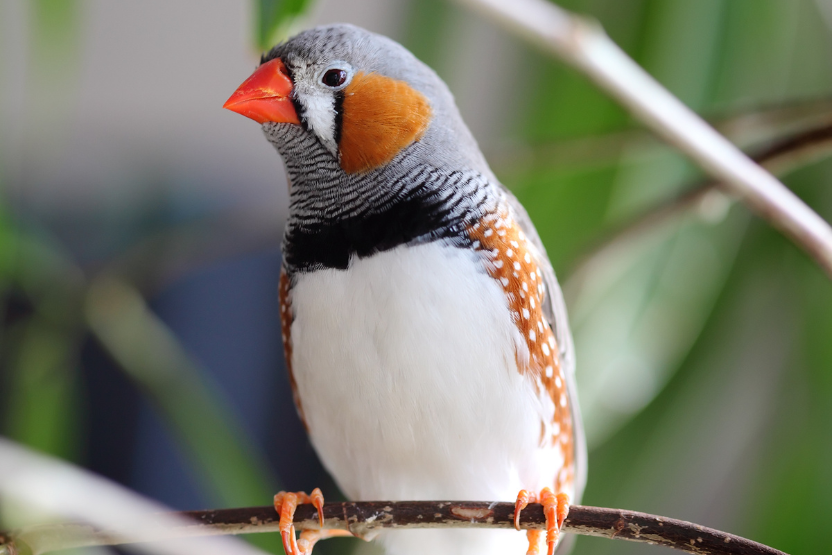
Owning a pet bird is like inviting a tiny, feathered whirlwind into your home. They’re vibrant, intelligent, and full of personality, but they come with unique needs that can catch first-time owners off guard. Before you bring home a budgie, cockatiel, or parrot, let’s explore six critical things you need to know to ensure a happy, healthy life for your new companion—and a harmonious home for you.
1. Birds Are a Long-Term Commitment
Birds aren’t like goldfish with a short lifespan; many species live for decades. Parrots, for example, can outlive their owners, with some macaws reaching 50–80 years! This longevity means you’re signing up for a long-term relationship that requires consistent care, attention, and planning.
Understanding Lifespan Expectations
Researching your bird’s lifespan is crucial before making a purchase. Smaller birds like budgerigars (budgies) typically live 5–10 years, while larger species like African Greys can live 40–60 years with proper care. Consider your life stage—will you be able to care for a bird in 20 years? If not, you’ll need a plan for their future.
Planning for the Future
Long-term commitment extends beyond daily care. Birds bond deeply with their owners, and rehoming can be traumatic for them. If you move, travel frequently, or face life changes, who will care for your bird? Setting up a “bird will” or trusted caretaker ensures their well-being if you can’t provide it.
| Bird Species | Average Lifespan | Care Level |
|---|---|---|
| Budgerigar | 5–10 years | Beginner |
| Cockatiel | 10–20 years | Intermediate |
| African Grey | 40–60 years | Advanced |
| Macaw | 50–80 years | Expert |
Pros of Long-Term Commitment: Deep bonding, rewarding companionship, and a pet that grows with you.
Cons: Requires future planning, potential for outliving your ability to care, and significant time investment.
2. Birds Need More Space Than You Think
You might picture a bird in a cute little cage, but cramped quarters lead to unhappy, unhealthy birds. They need space to flap, climb, and play—think of their cage as their entire world. A cage too small is like living in a closet; it’s stifling and stressful.
Choosing the Right Cage Size
The cage should be at least twice the bird’s wingspan wide and tall, with room for toys, perches, and food dishes. For example, a cockatiel needs a cage at least 24” x 24” x 24”, while a macaw requires a mansion-sized 36” x 48” x 60”. Always prioritize width over height, as birds move horizontally.
Creating an Enriching Environment
Beyond size, the cage needs variety. Include perches of different textures (natural wood, rope), toys for mental stimulation, and space for foraging. Rotate toys weekly to keep your bird engaged. A bored bird can develop behaviors like feather plucking, which is tough to reverse.
- Tip: Place the cage in a well-lit, social area of your home, but avoid direct sunlight or drafty spots.
- Warning: Never use round cages; they limit movement and can cause stress.
3. Diet Is a Make-or-Break Factor
Birds aren’t seed-munching machines, despite what old cartoons suggest. A poor diet can lead to obesity, malnutrition, or even a shortened lifespan. Feeding your bird right is like mastering a tiny, feathered meal plan—it’s complex but critical.
Building a Balanced Diet
A high-quality pelleted diet should make up 60–70% of your bird’s food, supplemented with fresh vegetables (like kale or carrots), fruits (apples, berries), and occasional seeds or nuts as treats. Avoid avocado, chocolate, and caffeine, which are toxic to birds. Each species has specific needs, so research is key.
Common Feeding Mistakes
Many new owners over-rely on seed mixes, which are like feeding a kid candy for dinner—tasty but nutrient-poor. Dirty water dishes are another pitfall; birds need fresh, clean water daily. Invest in a water bottle system to reduce contamination.
| Food Type | Percentage of Diet | Examples |
|---|---|---|
| Pellets | 60–70% | Zupreem, Harrison’s |
| Vegetables | 20–30% | Broccoli, spinach, bell peppers |
| Fruits | 5–10% | Apples, mango, blueberries |
| Seeds/Nuts | 5% (treats) | Sunflower seeds, almonds |
Pro Tip: Consult an avian vet to tailor your bird’s diet, especially for exotic species like lorikeets that need specialized nectar-based foods.
4. Birds Are Social and Emotional Creatures
Birds aren’t just pretty decorations; they’re highly social and emotionally complex. I once knew a cockatiel named Sunny who would sulk if his owner left the room for too long—head down, refusing to sing. Birds crave interaction, and neglecting this can lead to depression or aggression.
Meeting Their Social Needs
Plan to spend at least 1–2 hours daily interacting with your bird through talking, training, or play. Flock-oriented species like lovebirds or conures thrive on companionship, so consider getting a pair if your lifestyle limits interaction time. However, bonding two birds might reduce their attachment to you.
Recognizing Emotional Cues
Birds express emotions through body language—puffed feathers might mean contentment or illness, while pinned eyes signal excitement or anger. Learning these cues helps you respond to their needs. Ignoring them can lead to behavioral issues, like screaming or biting.
- Signs of a Happy Bird: Singing, preening, active play.
- Signs of Stress: Feather plucking, excessive screaming, lethargy.
5. Veterinary Care Is Specialized and Costly
Unlike dogs or cats, birds require avian veterinarians, who are harder to find and often pricier. A routine checkup can cost $50–$100, while emergency visits for issues like egg-binding or respiratory infections can run $200–$500. Skimping on vet care is not an option—birds hide illness until it’s serious.
Finding an Avian Vet
Search for a certified avian vet through the Association of Avian Veterinarians (AAV) website. Schedule a baseline checkup within the first week of bringing your bird home to catch any hidden issues. Regular vet visits (at least annually) are non-negotiable for long-term health.
Budgeting for Health Costs
Factor in costs for preventative care, like wing clipping ($10–$30) or beak trimming ($15–$50), and potential emergencies. Pet insurance for birds exists but is less common, so build an emergency fund. My friend once spent $800 saving her parrot from a respiratory infection—it was worth every penny, but a shock nonetheless.
Comparison: Bird vs. Dog Vet Costs
| Service | Bird Cost | Dog Cost |
|---|---|---|
| Routine Checkup | $50–$100 | $40–$80 |
| Emergency Visit | $200–$500 | $100–$300 |
| Diagnostic Tests | $100–$300 | $50–$200 |
Note: Prices vary by region and vet specialization.
6. Training and Behavior Management Take Patience
Birds are smart—sometimes too smart. My neighbor’s African Grey, Mango, learned to mimic the doorbell, sending everyone scrambling for the door. But intelligence means they need training to prevent chaos, like biting or incessant squawking.
Starting with Basic Training
Begin with step-up training, teaching your bird to step onto your finger or a perch on command. Use positive reinforcement, like treats or praise, and keep sessions short (5–10 minutes). Consistency is key—birds learn through repetition, not punishment.
Addressing Behavioral Issues
Common problems include screaming for attention or biting out of fear. Identify triggers (like loud noises) and redirect behavior with toys or training. Never yell or hit a bird; it erodes trust. If issues persist, consult an avian behaviorist for tailored strategies.
- Best Tools for Training:
- Clicker: Helps mark desired behaviors ($5–$15).
- Treats: Small, healthy rewards like millet sprays.
- Training Perch: Portable stand for focused sessions ($20–$50).
Pro Tip: Check out resources like the Parrot Wizard website for step-by-step training guides.
People Also Ask (PAA) Section
What is the easiest bird to care for as a beginner?
Budgerigars (budgies) are ideal for beginners due to their small size, lower cost, and relatively simple care needs. They’re social, easy to train, and adapt well to smaller spaces, making them perfect for first-time owners.
Where can I buy a pet bird?
Reputable sources include certified breeders, avian rescues, or pet stores specializing in birds. Avoid mass-market pet shops with poor conditions. Websites like Petfinder or Adopt-a-Pet list rescue birds, while breeder directories from the AAV ensure quality.
What are the best bird cages for small birds?
For small birds like budgies or lovebirds, cages like the Prevue Hendryx Flight Cage (24” x 24” x 18”) or Vision Bird Cage offer ample space and durability. Look for bar spacing of ½ inch or less to prevent escapes.
How do I know if a bird is right for my lifestyle?
Assess your time, budget, and living space. If you’re away often or have a noisy household, a quieter bird like a cockatiel might suit you. For active, engaged owners, interactive species like conures are a great fit.
FAQ Section
How much time do pet birds need daily?
Most birds need 1–2 hours of direct interaction, plus time out of the cage for exercise. Factor in 15–30 minutes for feeding, cleaning, and maintenance.
Are birds noisy pets?
Some species, like parrots, can be very vocal, especially during morning and evening. Quieter options include canaries or finches, but all birds make some noise.
Can I keep a bird if I have allergies?
Birds produce dander, which can trigger allergies. Consult an allergist and spend time with birds before committing. Regular cage cleaning and air purifiers help.
What’s the cost of owning a bird?
Initial costs (cage, bird, supplies) range from $200–$1,000. Monthly expenses, including food, toys, and vet care, average $50–$150, depending on the species.
How do I keep my bird entertained?
Provide a variety of toys (puzzle, chew, foraging), rotate them weekly, and engage in daily play or training. Out-of-cage time in a bird-safe room is essential.
Conclusion: Is a Pet Bird Right for You?
Bringing a pet bird into your life is a joyful, rewarding experience, but it’s not a decision to make lightly. From their long lifespans to their need for space, a balanced diet, social interaction, specialized vet care, and patient training, birds demand dedication. By understanding these six key aspects, you’re better equipped to decide if a feathered friend fits your lifestyle. If you’re ready, start researching reputable breeders or rescues, and prepare for a vibrant new companion who might just steal your heart—and your snacks.
Ready to dive deeper? Visit the Association of Avian Veterinarians for vet directories or Petfinder to explore adoptable birds near you. Your perfect match is waiting!