I’ve always been fascinated by the wild side of nature—growing up near the Rocky Mountains, I’d spend weekends hiking and spotting wildlife, from elk grazing peacefully to the occasional glimpse of a mountain lion slinking through the shadows. But over the years, as a self-taught naturalist who’s volunteered with wildlife rescues and read countless field guides, I’ve learned that animals aren’t just cute or majestic; some of their habits are downright chilling. Picture this: I once watched a crow follow me for miles after I accidentally disturbed its nest, cawing like it held a grudge. That experience stuck with me, reminding me how animal behaviors can flip from intriguing to terrifying in a heartbeat. In this deep dive, we’ll uncover 50 scary facts about animal behaviors that might make you think twice before your next nature walk.
The Hidden Horrors of Everyday Animals
You know those animals we see in zoos or on nature documentaries, looking all innocent? Turns out, many harbor behaviors that could star in a horror flick. Take the golden poison dart frog, for instance—its vibrant colors scream “stay away,” but its skin packs enough toxin to drop 10 to 20 humans if it hits the bloodstream. It’s like nature’s way of saying beauty can be deadly.
Cute but Deadly: Adorable Animals with Dark Sides
Ladybugs might dot your garden like little red jewels, but they’re no strangers to cannibalism, munching on their own larvae when food gets scarce. I remember finding a cluster in my backyard as a kid, thinking they were harmless—until I learned they turn on each other without hesitation. Starfish, those slow-moving sea stars, have a ghoulish feeding habit: they push their stomachs out through their mouths to dissolve prey alive from the inside.
Snails and Their Razor-Sharp Secrets
Snails glide along with their slimy trails, but inside their mouths lurk thousands of tiny, razor-sharp teeth arranged like a cheese grater, capable of shredding leaves—or worse, if you’re a smaller critter. It’s the stuff of nightmares for gardeners who underestimate them.
Predators That Play with Their Food
Orcas, often called killer whales, don’t just hunt—they toy with their prey, batting seals around like volleyballs before the final kill, showing a level of intelligence that’s as impressive as it is unsettling. Dolphins join in this macabre game, tossing injured fish back and forth, almost as if they’re practicing cruelty for sport.
Facts That Challenge Our Perceptions of Wildlife
Nature doesn’t follow our rules, and some behaviors flip what we think we know about animals. For example, polar bears aren’t the cuddly icons from soda ads; they’re apex predators that view humans as potential meals, stalking us calmly because they’re sizing up the hunt. It’s a sobering reminder from my time in Alaska, where locals always warn about bear encounters turning fatal.
Animals with Vendettas: Memory and Revenge
Crows aren’t just smart; they hold grudges, recognizing human faces and voices for years, rallying their flock to dive-bomb offenders. I once fed a crow daily during a tough winter, and it brought me shiny gifts in return—but cross one, and you’re marked for life.
Ravens Mimicking the Unnatural
Ravens can imitate human speech so perfectly that hikers have reported hearing “voices” in remote woods, only to realize it’s these black-feathered tricksters playing auditory pranks.
Parasitic Nightmares in the Animal Kingdom
The tongue-eating louse sneaks into a fish’s mouth, severs the tongue’s blood supply until it falls off, then latches on as a replacement “tongue”—functional but forever parasitic. It’s like a body-snatcher story come to life under the waves.
50 Scary Animal Behavior Facts Listed
To really drive home the chills, here’s a compiled list of 50 scary facts drawn from real observations and studies. I’ve grouped them into categories for easier reading, but each one stands alone as a testament to nature’s eerie side. Think of this as your go-to reference when you want to share a spine-tingler at a campfire.
Mammal Mayhem (Facts 1-15)
- Fact 1: Sea otters, those fluffy floaters, can be aggressive harassers during mating, biting females’ faces and even drowning them in the process.
- Fact 2: Polar bears hunt humans methodically, following for days without aggression until the strike, seeing us as prey above all.
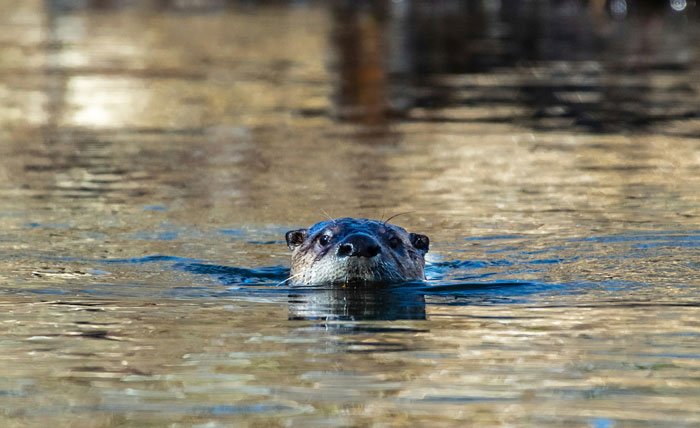
- Fact 3: River otters pack a bite force rivaling a Rottweiler’s, turning playful romps into potential maulings.
- Fact 4: Dolphins exhibit malice, capable of calculated evil akin to humans due to their high intelligence.
- Fact 5: Chimpanzees craft spears for hunting, signaling they’re entering a primitive tool age like early humans.
- Fact 6: Mountain lions scream like distressed women, a vocalization that lures or terrifies in the wild.
- Fact 7: Bears can pause pregnancies during hibernation if undernourished, delaying birth for survival.
- Fact 8: Elephants view humans as “cute” like we see puppies, but may feel aggressive urges toward us.
- Fact 9: Orcas pass down generational “hate,” like boat-flipping behaviors learned from ancestors.
- Fact 10: Vampire bats feed exclusively on blood, locating veins with heat sensors for precise incisions.
- Fact 11: Platypus males wield venomous spurs that cause excruciating pain, enough to fell small animals.
- Fact 12: White-tailed deer turn carnivorous, gnawing on bones or even live prey when minerals are scarce.
- Fact 13: Slow lorises lick venom from armpits, making bites as deadly as a cobra’s while mimicking snakes.
- Fact 14: Dogs can develop sudden dementia, flipping to vicious aggression without prior signs.
- Fact 15: Cats possess amygdalae similar in size to humans’, granting them a full emotional spectrum—including spite.
Avian Atrocities (Facts 16-25)
- Fact 16: Crows defend feeders fiercely, learning attack commands and mobilizing flocks against threats.
- Fact 17: Ravens mimic human voices eerily, potentially explaining ghostly calls in forests.
- Fact 18: Golden eagles knock goats off cliffs, a calculated kill for heavy prey they can’t carry.
- Fact 19: Seagulls and vultures peck at eyes of immobilized prey, not waiting for death.
- Fact 20: Meerkats’ dominant females kill rivals’ pups to secure resources for their own.
- Fact 21: Black widow spiders devour mates post-copulation, a classic femme fatale move.
- Fact 22: Cows align north-south while grazing, a mysterious magnetic behavior worldwide.
- Fact 23: Horned lizards squirt blood from eyes as defense, aiming at predators’ faces.
- Fact 24: Tigers hunt during storms, using thunder to mask their approach.
- Fact 25: Cape buffalo stalk and charge unpredictably, goring with lethal force.
Aquatic and Insect Terrors (Facts 26-40)
- Fact 26: Box jellyfish stings trigger cardiac arrest, with tentacles up to three meters long.
- Fact 27: Cone snails harpoon victims with venom causing paralysis and death swiftly.
- Fact 28: Mantis shrimps punch at bullet speeds, boiling water around impacts.
- Fact 29: Anacondas grow indefinitely, with records broken every few years.
- Fact 30: Vulture bees produce meat-based honey, hives resembling tumor masses.
- Fact 31: Zombie fungi control ants, adapting to warmer climates alarmingly.
- Fact 32: Butterflies dissolve completely in cocoons, reforming with retained memories.
- Fact 33: Slime molds solve mazes brainlessly, optimizing paths like engineers.
- Fact 34: Sea cucumbers eject organs to ensnare attackers in sticky traps.
- Fact 35: Spiders weave silk stronger than steel, stretchable beyond imagination.
- Fact 36: Orcas and dolphins have distinct cultures and languages per pod.
- Fact 37: Whales strand in mass suicides, reasons often tied to human interference.
- Fact 38: Rats show deep affection but can turn feral in packs.
- Fact 39: Sloths’ grips relax into fists, hanging effortlessly even in death.
- Fact 40: Wolves form family units, debunking alpha dominance myths.
Miscellaneous Menaces (Facts 41-50)
- Fact 41: Manatees lack defenses beyond fleeing, vulnerable to boats and predators.
- Fact 42: Spiders learn routines, appearing when habits shift unexpectedly.
- Fact 43: Blobfish deform under pressure, looking monstrous on surface.
- Fact 44: Primates like chimps experience menopause, outliving males significantly.
- Fact 45: Humans out-endure prey, chasing until exhaustion in ancient hunts.
- Fact 46: Sperm whales steal fish from lines with precise jaw snaps.
- Fact 47: Golden poison frogs’ toxins paralyze nerves lethally on contact.
- Fact 48: Humans detect rain scent better than sharks sense blood.
- Fact 49: Cows kill more people yearly via kicks than sharks do.
- Fact 50: Elephants, whales, and some primates share menopause with humans.
Comparing Scary Behaviors: Land vs. Sea Animals
To put these horrors in perspective, let’s compare land and sea creatures in a table. It’s eye-opening how environments shape terror.
| Aspect | Land Animals (e.g., Polar Bears, Crows) | Sea Animals (e.g., Orcas, Box Jellyfish) |
|---|---|---|
| Hunting Style | Stalking and endurance chases | Ambush with venom or play-torture |
| Intelligence Level | High memory for grudges | Cultural languages and tool use |
| Defense Mechanisms | Blood-squirting or venom spurs | Organ ejection or harpoon stings |
| Human Threat | View us as prey or threats | Accidental stings or boat attacks |
Land beasts often rely on persistence, while oceanic ones use surprise—both equally horrifying in encounters.
Pros and Cons of Studying These Behaviors
Pros:
- Enhances conservation efforts by understanding threats.
- Sparks interest in biology, like my own path to volunteering.
- Informs safety, preventing attacks.
Cons:
- Can fuel irrational fears, like avoiding hikes.
- Ethical dilemmas in research involving harm.
- Emotional toll from witnessing cruelty.
People Also Ask (PAA) Section
Based on common Google queries around scary animal behaviors, here are some real questions users search for, with quick insights.
- What is the scariest fact about dolphins? Dolphins torture prey for fun, batting them around before eating.
- Are crows really vengeful? Yes, they remember faces and rally against offenders for years.
- What creepy thing do otters do? Male otters can drown females during aggressive mating.
- Why do orcas flip boats? It may stem from learned behaviors passed down generations.
- What is a horrifying insect fact? Zombie fungi hijack ants, forcing them to climb and burst spores.
- Do animals feel malice like humans? Some, like dolphins, show calculated cruelty.
Where to Learn More: Navigational Tips
If these facts have you hooked (or horrified), check out resources like the WWF website for conservation insights or Listverse for more lists. For hands-on, visit local wildlife centers—I’ve linked to WWF Australia for global facts. Internally, explore our related article on “Animal Intelligence Myths Debunked.”
Best Tools for Exploring Animal Behaviors
For transactional folks wanting to dive deeper safely, try apps like iNaturalist for logging sightings or binoculars from brands like Nikon for distant observation. Books like “The Genius of Birds” by Jennifer Ackerman offer expert takes without the fieldwork risks—perfect for armchair naturalists.
FAQ
What makes animal behaviors seem scary to humans?
Often, it’s the unpredictability or similarity to human flaws, like vengeance in crows, that unsettle us. From my experiences, it’s when intelligence meets instinct that things get eerie.
Are these behaviors evolutionary advantages?
Yes, most—like a mantis shrimp’s punch—aid survival, hunting, or defense, even if they horrify us.
Can pets exhibit scary behaviors?
Absolutely; dogs with sudden dementia can turn aggressive, emphasizing the need for vet checks.
How can I safely observe wildlife?
Use guided tours or apps for tracking, always keeping distance—I’ve learned the hard way that curiosity shouldn’t override caution.
Do animals really hold grudges?
Species like crows and elephants do, remembering harms for years, adding a layer of relational complexity to nature.
In wrapping up, remember that while these facts might keep you up at night, they highlight nature’s raw ingenuity. Next time you’re out there, like I was spotting that grudge-holding crow, appreciate the thrill—but stay vigilant. Nature’s not out to get you, but it sure knows how to surprise.