Hey there, fellow fish enthusiast! If you’re anything like me, the idea of dipping your toes into the world of aquariums might feel both exciting and a tad overwhelming. I still remember my first coldwater setup back in my college dorm room—a humble 20-gallon tank with a couple of goldfish that quickly taught me the ropes (and a few hard lessons about overfeeding). No fancy heaters or tropical vibes, just a simple, serene underwater world that brought a slice of calm to my chaotic student life. In this guide, we’ll walk through everything you need to know about creating a thriving coldwater fish tank, from the basics to the nitty-gritty details. Whether you’re a total newbie or just curious about ditching the heater, I’ve got you covered with a checklist, step-by-step instructions, and plenty of tips drawn from real experiences. Let’s dive in and make sure your fishy friends feel right at home.
What is a Coldwater Fish Tank?
A coldwater fish tank is essentially an unheated aquarium designed for species that thrive in room-temperature water, typically between 60-72°F. Unlike tropical setups that mimic warmer climates, these tanks rely on ambient home temperatures, making them ideal for cooler environments or anyone wanting to skip the energy costs of a heater. Think of it as a low-key ecosystem where hardy fish like goldfish or minnows can flourish without the fuss.
This setup focuses on freshwater species from temperate regions, emphasizing stability through good filtration and regular maintenance rather than artificial warmth. It’s perfect for beginners because the fish are often more forgiving of minor slip-ups, but it still demands attention to water quality to prevent issues like ammonia spikes.
Benefits and Drawbacks of a Coldwater Aquarium
Setting up a coldwater tank has its perks, but like any hobby, it’s not all smooth swimming. I once converted a tropical tank to coldwater on a whim during a chilly winter, and the reduced algae growth was a game-changer—no more scrubbing sessions every weekend!
Pros
- Energy-efficient: No heater means lower electricity bills and fewer equipment failures.
- Hardy fish options: Species are resilient to temperature fluctuations in typical homes.
- Less algae buildup: Cooler water slows down unwanted growth, keeping your tank clearer.
- Beginner-friendly: Simpler setup without the need for precise heating control.
Cons
- Limited species variety: Fewer colorful options compared to tropical tanks.
- Potential for large growth: Fish like goldfish can outgrow small tanks quickly.
- Seasonal challenges: In hot summers, you might need cooling methods like fans.
- Slower cycling: Beneficial bacteria establish more gradually in cooler water.
Overall, if you’re after a relaxing, low-maintenance hobby, the pros often outweigh the cons—especially if you pick the right fish and stay on top of basics.
Choosing the Right Tank Size and Location
Picking the perfect tank size is crucial; go too small, and you’ll regret it when your fish start bumping into the glass like bumper cars at a fair. For starters, aim for at least 20 gallons to give your aquatic pals room to roam and maintain stable water parameters.
Larger tanks, like 30-55 gallons, are even better for community setups or growing species, as they dilute waste more effectively and reduce stress on fish. Consider rectangular shapes over bowls—they provide better surface area for oxygen exchange.
Location-wise, place your tank on a sturdy stand away from direct sunlight to avoid temperature swings and algae blooms. Avoid drafty spots near doors or windows; a quiet corner in your living room worked wonders for my setup, turning it into a natural conversation starter during gatherings.
Essential Equipment for Your Coldwater Tank
Gearing up doesn’t have to break the bank, but skimping on quality can lead to headaches down the line. Here’s a comprehensive checklist to get you started—think of it as your shopping list for fish happiness.
| Equipment | Purpose | Recommended Options |
|---|---|---|
| Aquarium (20+ gallons) | Housing for fish and decor | Glass or acrylic rectangular tank |
| Sturdy stand or cabinet | Supports tank weight (up to 10 lbs per gallon) | Purpose-built aquarium stand |
| Filter (internal or external) | Removes waste and circulates water | Hang-on-back or canister filter rated for your tank size |
| Substrate (gravel or sand) | Base for plants and bacteria | 2-3 inches of rinsed aquatic gravel |
| Water conditioner | Neutralizes chlorine in tap water | Products like Seachem Prime |
| Test kits (ammonia, nitrite, nitrate, pH) | Monitors water quality | API Freshwater Master Test Kit |
| Lighting (LED preferred) | Supports plant growth and viewing | 9-10 hours daily, low-wattage to avoid algae |
| Decor (plants, rocks, hides) | Provides shelter and enrichment | Live plants like Java Fern, artificial caves |
| Air pump and stone (optional) | Increases oxygen levels | For larger or densely stocked tanks |
| Thermometer | Tracks water temperature | Digital or stick-on for accuracy |
| Gravel vacuum/siphon | For water changes and cleaning | Basic hose setup |
| Fish net and bucket | Handling fish and water changes | Dedicated 5-gallon bucket |
This setup ensures a balanced environment; I learned the hard way that a good filter is non-negotiable after a cloudy tank episode early on.
Step-by-Step Guide to Setting Up Your Tank
Alright, let’s roll up our sleeves and get that tank humming. This process takes patience—rushing it is like inviting disaster to a party.
Preparing the Tank and Equipment
Start by rinsing your tank and all equipment with plain water (no soap!) to remove dust. Place it on the stand in your chosen spot, ensuring it’s level to prevent stress cracks.
Adding Substrate and Decor
Pour in 2-3 inches of pre-rinsed gravel or sand, sloping it slightly toward the back for aesthetics. Add decor like rocks and plants—live ones like Elodea Densa oxygenate the water naturally, creating a mini habitat that mimics a serene pond.
Filling with Water and Conditioning
Slowly fill the tank with room-temperature tap water, using a plate to avoid disturbing the substrate. Add water conditioner immediately to remove harmful chemicals; this step saved my first batch of fish from a chlorine mishap.
Installing Filtration and Lighting
Hook up your filter according to instructions—aim for one that turns over the tank volume 4-6 times per hour. Set up lighting on a timer for consistency, avoiding over-illumination that could spark algae wars.
Cycling the Tank Before Adding Fish
This is the waiting game: add a bacteria starter like API Quick Start and let the tank run for 4-6 weeks. Test water weekly; once ammonia and nitrite hit zero with nitrates rising, you’re golden. I cycled mine with a pinch of fish food to kickstart the process, watching eagerly as the biology unfolded.
Best Coldwater Fish for Your Setup
Choosing fish is the fun part—it’s like assembling a quirky underwater family. Stick to compatible species to avoid drama.
Goldfish: The Classic Choice
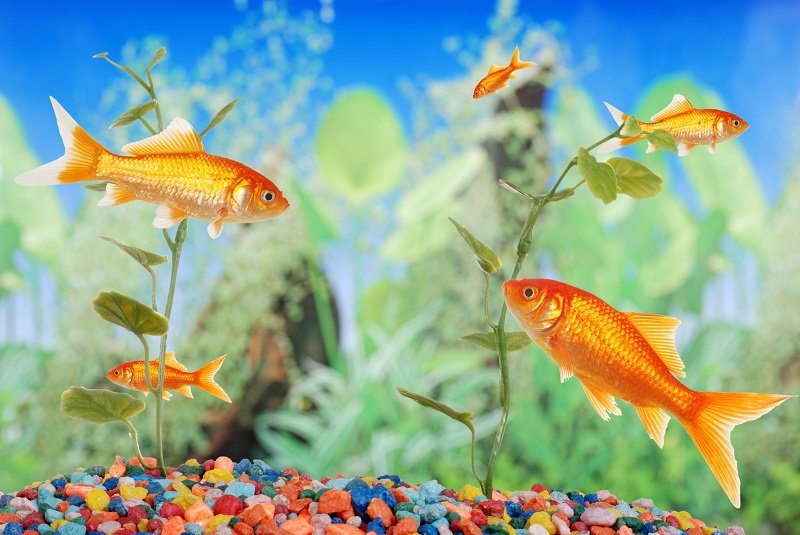
Goldfish are icons for a reason: hardy, personable, and available in varieties like comets or fantails. They grow up to 12 inches, so plan for a 30+ gallon tank. Feed them flakes or pellets sparingly to prevent bloating.
White Cloud Mountain Minnow: Tiny and Tough
These schooling fish add shimmer with their silver bodies and red fins. Keep them in groups of 6+ in a 10-gallon tank; they’re peaceful and thrive in 60-72°F water.
Zebra Danio: Energetic Stripes
Zebra danios dart around with zebra-like stripes, perfect for active displays. School them in 20-gallon tanks; they’re beginner-proof and tolerate mid-60s temperatures easily.
Bloodfin Tetra: Red-Finned Beauties
With silvery bodies and blood-red fins, these tetras school gracefully. A 20-gallon setup suits groups of 6; they’re undemanding and add a pop of color.
Dojo Loach: Playful Bottom-Dwellers
Dojo loaches burrow and entertain with their antics, growing to 12 inches. Pair with larger tanks and soft substrate; they’re sensitive to poor water but reward with personality.
For comparisons, goldfish offer size and longevity but need more space than minnows, which are ideal for nano tanks. Always quarantine new fish to prevent disease spread.
Cycling and Water Quality Management
Cycling builds beneficial bacteria to handle waste—skip it, and your tank becomes a toxic soup. Use test kits religiously; aim for pH 6.8-7.8, zero ammonia/nitrite, and nitrates under 40ppm.
In my experience, fishless cycling with ammonia sources is kinder and more reliable than adding hardy fish early on.
Ongoing Maintenance for a Healthy Tank
Maintenance is the secret sauce to long-term success—think weekly rituals that keep things sparkling.
Perform 20-30% water changes fortnightly using conditioned water. Vacuum substrate to remove debris, clean filters in tank water (not tap), and monitor temperature to stay within 60-75°F.
Feed once daily what they eat in 2 minutes; overfeeding leads to murky water and health woes. I once overfed my goldfish, turning the tank into a foggy mess—lesson learned!
Common Mistakes and How to Avoid Them
Newbies often overcrowd tanks, leading to stress and disease. Stock slowly: one inch of fish per gallon is a rough rule, but adjust for waste producers like goldfish.
Ignoring cycling is another pitfall—patience pays off. And don’t forget decor; bare tanks stress fish out, making them prone to illness.
People Also Ask
Based on common Google queries, here are answers to burning questions.
How do I set up a coldwater aquarium for beginners?
Start with a 20-gallon tank, add substrate and decor, condition water, install a filter, cycle for 4-6 weeks, then introduce fish gradually.
What are the best coldwater fish that don’t need a heater?
Top picks include goldfish, zebra danios, white cloud minnows, and dojo loaches—all thrive at room temperature.
Do coldwater fish tanks need filters?
Absolutely—filters maintain water quality by housing bacteria and circulating oxygen, essential for fish health.
How often should I change water in a coldwater tank?
Every 1-2 weeks, replace 20-30% to keep nitrates low and prevent buildup.
Can I mix coldwater and tropical fish?
No—temperature needs differ, stressing or harming one group. Stick to compatible coldwater species.
Where to Buy Supplies and Fish
For tanks and equipment, check local pet stores like Petco or online at Aquarium Co-Op for reliable gear. Quality fish come from reputable breeders; avoid impulse buys from fairs.
Best Tools and Products for Success
Grab the API Master Test Kit for water monitoring—it’s a lifesaver. For filters, Fluval canisters handle larger setups efficiently. Live plants from sites like Buce Plant add natural filtration.
FAQ
How long does it take to cycle a coldwater tank?
Typically 4-6 weeks, longer than tropical due to slower bacteria growth in cooler water.
What temperature is too cold for coldwater fish?
Below 50°F can slow metabolism; aim for 60-72°F for most species.
Can goldfish live in a bowl?
No—bowls lack filtration and space, leading to short, unhappy lives. Opt for proper tanks.
How many fish can I put in a 20-gallon coldwater tank?
About 10-15 small minnows or 1-2 small goldfish; overstocking causes issues.
Do coldwater tanks need lights?
Yes, for 9-10 hours daily to mimic daylight and support plants, but LED to minimize heat.
There you have it—a complete roadmap to your coldwater oasis. Starting small and learning as you go turned my hobby into a passion; yours could too. If you hit snags, communities like Reddit’s r/Aquariums are goldmines. Happy fishkeeping—may your tank always be crystal clear and your fish full of pep!