Imagine setting up your first aquarium – that thrill of watching tiny, vibrant creatures dart through the water like living jewels. I still remember my own beginner tank, a modest 10-gallon setup where neon tetras turned a simple glass box into a mesmerizing underwater world. But choosing the right fish? That’s where the real adventure begins. Small freshwater fish are ideal for compact spaces, offering color, personality, and low-key charm without overwhelming your home or routine. In this guide, we’ll explore 25 standout species, from hardy beginners’ picks to quirky nano gems, all tailored for freshwater tanks. Whether you’re starting fresh or expanding your collection, these fish can create a thriving, eye-catching habitat that’s as rewarding as it is relaxing.
Why Choose Small Fish for Your Freshwater Tank?
Small fish bring big benefits to any aquarium setup, especially if space is limited or you’re new to the hobby. They fit perfectly in nano tanks under 20 gallons, reducing the need for massive equipment while still delivering stunning visuals through schooling behaviors or bold colors. Plus, many are forgiving for beginners, adapting to slight fluctuations in water conditions that might stress larger species. I once crammed too many big fish into a small tank – lesson learned the hard way – but switching to pint-sized swimmers made maintenance a breeze and kept everything harmonious.
Essential Factors to Consider Before Buying Small Fish
Before rushing to the pet store, think about what makes a small fish thrive in your tank – it’s not just about size. Compatibility is key; some schoolers need buddies, while others prefer solo life to avoid stress or aggression. Water parameters like pH, temperature, and hardness must match the fish’s natural habitat, or you’ll face health issues down the line. Diet varies too – from flakes for omnivores to live foods for picky eaters – so plan ahead to keep everyone healthy and happy without constant tweaks.
- Tank Size: Aim for at least 10 gallons for most small fish to allow swimming room and stable water quality; overcrowding leads to stress and disease.
- Water Quality: Test regularly for ammonia, nitrites, and nitrates; small tanks cycle faster, so a reliable filter and weekly 20% changes are non-negotiable.
- Compatibility: Mix peaceful community fish like tetras with bottom-dwellers such as corydoras; avoid aggressive pairings that could turn your tank into a battlefield.
- Lighting and Plants: Dim lighting suits shy species, while live plants provide hiding spots and natural filtration – think java fern or anubias for easy upkeep.
- Budget: Factor in ongoing costs like food and test kits; starting small keeps expenses low, but quality gear pays off in healthier fish.
The 25 Best Small Aquarium Fish
Diving into specifics, these 25 species stand out for their adaptability, beauty, and ease in freshwater setups. Each one suits tanks from 5 to 30 gallons, with most thriving in communities. I’ve included care basics, pros, and cons based on my own trials – like the time my guppies overran the tank overnight. Remember, quarantine new arrivals for 4-6 weeks to prevent outbreaks.
1. Neon Tetra
These iconic swimmers boast iridescent blue bodies with red stripes, schooling in hypnotic waves that light up any tank. Native to Amazon rivers, they prefer soft, acidic water around 72-78°F and a pH of 6.0-7.0. Feed them flakes or micro pellets twice daily, supplemented with brine shrimp for vibrancy. Keep in groups of six or more for best behavior.
Pros: Peaceful, colorful, easy to find at stores like Petco. Cons: Sensitive to poor water quality, prone to neon tetra disease if stressed.
2. Zebra Danio
Striped like tiny zebras, these energetic fish zip around the upper tank levels, adding constant motion without aggression. They handle cooler temps from 64-75°F and a wide pH range of 6.5-7.5, making them hardy for beginners. A varied diet of flakes, pellets, and occasional live foods keeps them healthy. Ideal for 10-gallon tanks in schools of five.
Pros: Extremely resilient, breed easily, low-maintenance. Cons: Can be jumpers, so a tight lid is essential.
3. Guppy
Flashy males with flowing tails come in endless color varieties, while females are plainer but prolific breeders. They adapt to 72-82°F water with pH 7.0-8.0, preferring hard water. Offer algae-based flakes and veggies like zucchini for balance. A 10-gallon tank suits a small group, but watch for fry.
Pros: Vibrant, beginner-friendly, livebearers add excitement. Cons: Overbreed quickly, males may harass females.
4. Endler’s Livebearer
Similar to guppies but smaller and more vivid, these nano fish dazzle with metallic spots and easy breeding habits. Keep water at 68-82°F with pH 6.5-8.5. They munch on flakes, pellets, and algae naturally. Perfect for 5-gallon setups with plants for cover.
Pros: Hardy, colorful, minimal space needed. Cons: Hybridize with guppies if mixed, potentially diluting pure lines.
5. Platy
Compact and colorful, platys feature patterns like Mickey Mouse tails and thrive in lively communities. Water should be 70-82°F with pH 7.0-8.0. Feed omnivore flakes and blanched veggies. A 10-gallon tank works for a trio, but they multiply fast.
Pros: Peaceful, adaptable, great for kids’ tanks. Cons: Prone to overpopulation without management.
6. Molly
Sailfin varieties add elegance with high dorsal fins, available in black, gold, or dalmatian patterns. They favor alkaline water at 75-82°F and pH 7.5-8.5. Diet includes algae wafers and spirulina flakes. Suit 20-gallon tanks to accommodate their size.
Pros: Active, disease-resistant, brackish-tolerant options. Cons: Need harder water, can be fin-nippers in crowds.
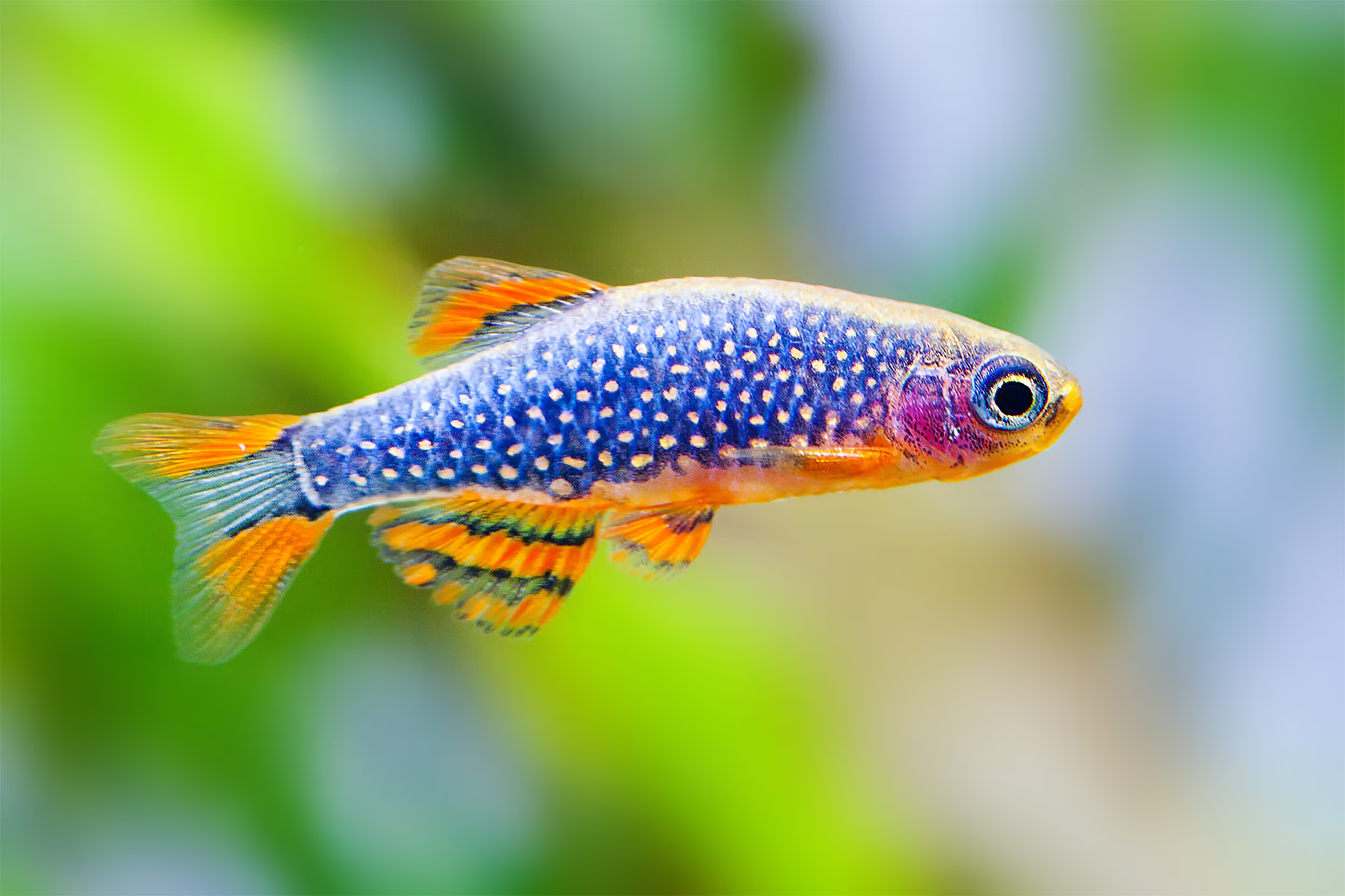
7. Celestial Pearl Danio
Galaxy-like spots on blue bodies make these shy fish a standout, especially males with red fins. Keep at 68-78°F with pH 6.5-7.5. Small foods like baby brine shrimp suit their tiny mouths. Nano tanks of 10 gallons with dense plants are ideal.
Pros: Stunning patterns, breed in captivity. Cons: Timid, hide often without cover.
8. Harlequin Rasbora
Ruby-red with black wedge markings, these schoolers create bold displays in planted tanks. Water params: 72-77°F, pH 6.0-7.0. Flakes and frozen daphnia keep them content. Groups of 8-10 in 20 gallons prevent stress.
Pros: Peaceful, long-lived, enhance aquascapes. Cons: Sensitive to ammonia spikes.
9. Betta
Known for flowing fins and fiery personalities, bettas come in jewel tones but males must live alone. Warm water at 76-82°F with pH 6.5-7.5. Pellets and bloodworms are staples. A heated 5-gallon tank with hides works best.
Pros: Charismatic, low space requirement. Cons: Aggressive toward similar fish, need pristine conditions.
10. Pygmy Corydoras
Mini catfish with spotted patterns scavenge bottoms, adding cleanup crew vibes. Cool-tolerant at 72-78°F, pH 6.0-7.0. Sinking wafers and shrimp pellets. Keep in groups of six in 10 gallons with sand substrate.
Pros: Bottom cleaners, social, hardy. Cons: Barbels damage on rough gravel.
11. White Cloud Mountain Minnow
Silver with red fins, these cold-water fish school gracefully in unheated tanks. 60-72°F, pH 6.0-8.0. Flakes and small insects. 10-gallon minimum for schools.
Pros: Tough, outdoor pond potential. Cons: Less colorful than tropic species.
12. Cherry Barb
Bright red males contrast with golden females, peaceful mid-dwellers. 73-79°F, pH 6.0-7.0. Omnivore flakes, veggies. 20 gallons for groups.
Pros: Vibrant, algae eaters. Cons: Shy without plants.
13. Ember Tetra
Fiery orange bodies glow in schools, nano-sized for tiny tanks. 73-84°F, pH 5.5-7.0. Micro pellets, brine. 10 gallons.
Pros: Bold color, beginner-easy. Cons: Need acidic water.
14. Chili Rasbora
Tiny red streaks, perfect for planted nanos. 72-82°F, pH 4.0-7.0. Infusoria, small foods. 5 gallons.
Pros: Striking in groups. Cons: Challenging to breed.
15. Otocinclus
Algae-sucking catfish with sucker mouths, group cleaners. 72-79°F, pH 6.8-7.5. Algae wafers. 20 gallons.
Pros: Natural tank maintenance. Cons: Starve without algae.
16. Bumblebee Goby
Striped like bees, bottom-huggers for unique appeal. 72-84°F, pH 7.0-8.5. Live foods preferred. 10 gallons.
Pros: Quirky looks. Cons: Brackish leanings.
17. Dwarf Gourami
Iridescent blue-red stripes, bubble-nest builders. 72-82°F, pH 6.0-7.5. Pellets, flakes. 10 gallons.
Pros: Personality-packed. Cons: Disease-prone varieties.
18. Kuhli Loach
Eel-like wrigglers burrow in sand, nocturnal fun. 75-86°F, pH 5.5-6.5. Sinking foods. 20 gallons.
Pros: Hide-and-seek charm. Cons: Escape artists.
19. Cardinal Tetra
Similar to neons but bolder red, schooling stars. 73-81°F, pH 4.5-7.5. Flakes. 20 gallons.
Pros: Vivid, hardy. Cons: Pricey.
20. Rummy Nose Tetra
Red noses on silver bodies, tight schoolers. 75-82°F, pH 5.5-7.0. Live foods. 20 gallons.
Pros: Indicator of water quality. Cons: Stress-sensitive.
21. Sparkling Gourami
Tiny bubble-nesters with croaking sounds. 76-82°F, pH 6.0-7.0. Small pellets. 10 gallons.
Pros: Vocal quirks. Cons: Territorial pairs.
22. Peacock Goby
Colorful fans on fins, cave-dwellers. 72-82°F, pH 6.5-7.8. Meat-based. 10 gallons.
Pros: Breeding displays. Cons: Hides a lot.
23. Least Killifish
Micro livebearers, plant-lovers. 68-78°F, pH 6.5-7.5. Fine foods. 5 gallons.
Pros: Easy breeders. Cons: Overlooked size.
24. Scarlet Badis
Bold red micros, perch-hunters. 72-79°F, pH 6.5-7.5. Live insects. 10 gallons.
Pros: Hunter instincts. Cons: Males aggressive.
25. Serpae Tetra
Deep red with black spots, active nippers. 72-79°F, pH 5.0-7.8. Flakes. 20 gallons.
Pros: Fiery energy. Cons: Fin-biting tendencies.
Comparison of Popular Small Fish Species
To help decide, here’s a table comparing key traits for five favorites:
| Fish | Min Tank Size | Temp (°F) | pH Range | Diet Type | Compatibility |
|---|---|---|---|---|---|
| Neon Tetra | 10 gallons | 72-78 | 6.0-7.0 | Omnivore | High (schooling) |
| Guppy | 10 gallons | 72-82 | 7.0-8.0 | Omnivore | Medium (breeders) |
| Betta | 5 gallons | 76-82 | 6.5-7.5 | Carnivore | Low (solo) |
| Pygmy Cory | 10 gallons | 72-78 | 6.0-7.0 | Omnivore | High (groups) |
| Chili Rasbora | 5 gallons | 72-82 | 4.0-7.0 | Micro foods | High (nano) |
This snapshot shows how neons excel in communities, while bettas shine solo.
Pros and Cons of Schooling vs. Solo Small Fish
Schooling fish like tetras offer dynamic movement but require groups, increasing bioload. Solo stars like bettas simplify setups yet demand more attention to boredom. Schoolers pros: Natural behaviors, stress reduction; cons: Higher maintenance. Solo pros: Less space, personality; cons: Potential aggression.
Setting Up Your Small Aquarium for Success
A well-planned setup turns small fish into thriving pets – start with a cycled tank to avoid new tank syndrome. Layer substrate like sand for burrowers, add plants for oxygen and hides, and install a gentle filter to maintain flow without overwhelming tiny swimmers. Heaters keep temps stable, especially for tropicals, and LED lights promote plant growth while highlighting colors. My first setup lacked plants, and the fish hid constantly – adding anubias changed everything overnight.
For the best tools, check filters like the Sponge Filter from Aquarium Co-Op (external link: https://www.aquariumcoop.com/products/sponge-filter) or heaters from Aqueon (internal link: /best-aquarium-heaters). Where to get these fish? Local stores like Petco or online at LiveAquaria (external: https://www.liveaquaria.com) offer healthy stock.
Care and Maintenance Tips for Small Freshwater Fish
Routine care keeps small fish vibrant – test water weekly and change 25% to control nitrates. Feed sparingly to prevent waste buildup, and observe for signs like clamped fins indicating issues. Quarantine newcomers in a separate 5-gallon tank for weeks, treating with meds if needed. I learned this after a bad ich outbreak wiped half my tetras – now, prevention is my mantra.
- Feeding Schedule: Small portions 1-2 times daily; fast one day weekly to mimic nature.
- Disease Prevention: Use conditioners like API Stress Coat (external: https://apifishcare.com) during changes.
- Plant Choices: Easy growers like java moss provide fry protection and oxygenation.
- Lighting Cycle: 8-10 hours daily to avoid algae blooms.
- Emergency Kit: Keep nets, buckets, and dechlorinator handy for quick fixes.
People Also Ask
Based on common searches, here are real questions from Google about small aquarium fish, with concise answers optimized for featured snippets.
What is the best small fish for a beginner aquarium?
The best small fish for beginners is the guppy – hardy, colorful, and adaptable to 10-gallon tanks with pH 7.0-8.0. They breed easily, adding fun without much fuss.
What fish can live in a 5-gallon tank?
Bettas or chili rasboras thrive in 5-gallon tanks; provide heat, filtration, and hides. Avoid overcrowding – one betta or a small school of rasboras max.
How many small fish can I put in a 10-gallon tank?
In a 10-gallon tank, stock 8-10 small fish like neon tetras or Endler’s livebearers, following the one-inch-per-gallon rule while accounting for adult sizes and bioload.
What are the easiest small freshwater fish to care for?
White cloud mountain minnows are easiest – tolerant of cool water (60-72°F), wide pH, and simple flake diets. They’re peaceful and low-maintenance for new setups.
Can small fish live together in a community tank?
Yes, small fish like harlequin rasboras and pygmy corydoras coexist well in communities; match water needs and avoid aggressors for harmony.
FAQ
How often should I feed small aquarium fish?
Feed small portions once or twice daily, ensuring everything’s eaten in 2-3 minutes to avoid overfeeding and water pollution. Adjust based on species – carnivores like bettas need protein-rich foods.
What is the ideal water temperature for most small freshwater fish?
Most small freshwater fish prefer 72-78°F, but check specifics: white clouds handle cooler, while mollies like warmer. Use a reliable heater and thermometer for stability.
Where can I buy healthy small aquarium fish?
Buy from reputable sources like local aquarium shops, Petco, or online retailers such as Aquarium Co-Op. Look for active, disease-free stock and quarantine at home.
Are small fish suitable for kids’ tanks?
Yes, hardy ones like platys or zebra danios are great for kids – easy care, colorful, and forgiving. Supervise feeding to teach responsibility without overwhelming maintenance.
How do I prevent diseases in small fish tanks?
Maintain clean water with regular changes, quarantine new fish, and avoid overcrowding. Use test kits weekly and treat early with meds from trusted brands like Seachem (internal: /fish-medications-guide).
In wrapping up, these 25 small fish transformed my hobby from chaotic to captivating – yours can too. With thoughtful choices and consistent care, your tank will buzz with life. If you’re ready to stock up, head to a site like The Spruce Pets for more guides (external: https://www.thesprucepets.com/small-aquarium-fish-breeds-for-freshwater-5120495). Happy fishkeeping!