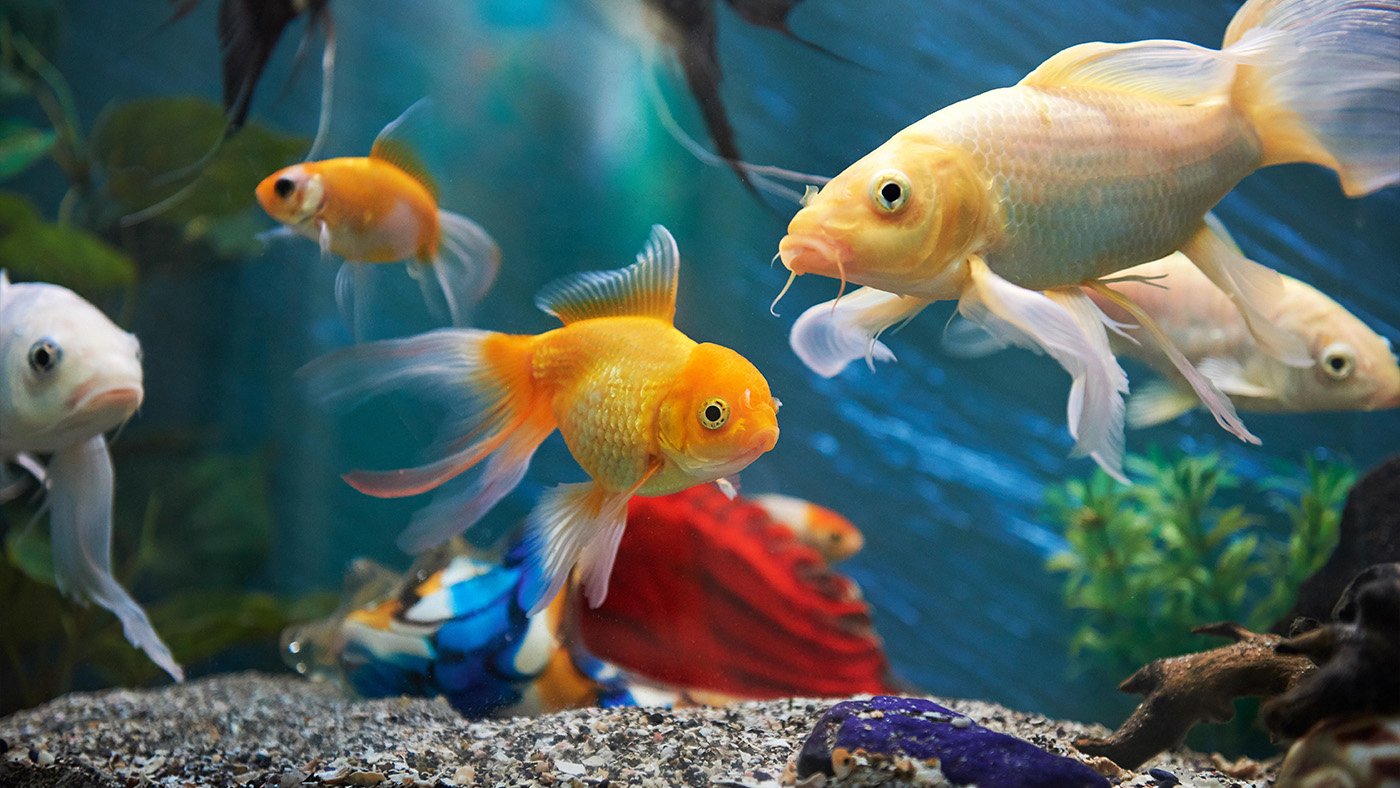
Hey there, fellow aquarium enthusiast. I remember the day I first set up my tank like it was yesterday—staring at a bland, empty space with just a few rocks and plants, wondering how to make it pop. That’s when I dove into the world of colorful tropical fish, and let me tell you, it transformed everything. Suddenly, my living room felt alive with vibrant blues, reds, and yellows darting around. If you’re looking to add that same spark to your setup, this guide is for you. We’ll explore 10 stunning options, from easy beginners to showstoppers, complete with care tips, pros, cons, and real-world advice drawn from years of trial and error in my own tanks.
Why Add Colorful Tropical Fish to Your Tank?
Imagine coming home after a long day and unwinding by watching a rainbow of fish glide through the water—it’s not just pretty; it’s therapeutic. Studies show that aquariums with diverse, colorful species can lower stress levels, reduce blood pressure, and even improve mood by mimicking the calming effects of nature. Beyond the health perks, these fish turn your tank into a living art piece, drawing compliments from guests and sparking conversations. Plus, they encourage biodiversity in your aquarium, promoting a balanced ecosystem where plants thrive and algae stays in check.
Key Considerations Before Bringing Home Tropical Fish
Before you rush to add these beauties, think about your tank’s setup—tropical fish need stable water conditions like temperatures between 75-82°F and a pH of 6.5-7.5 to avoid common pitfalls like stress-related diseases. Overstocking is a rookie mistake I made early on; always calculate based on adult sizes, aiming for one inch of fish per gallon as a rough rule. Research compatibility too—mixing aggressive species with peaceful ones can lead to chaos. Finally, cycle your tank properly for at least 4-6 weeks to build beneficial bacteria, preventing ammonia spikes that wipe out new arrivals.
The Top 10 Colorful Tropical Fish
I’ve handpicked these based on their vivid hues, beginner-friendliness, and how they liven up any aquarium. Each one brings unique personality, but remember, success comes from matching them to your experience level and tank environment.
1. Neon Tetra
These tiny jewels, with their electric blue bodies and red stripes, school together like a living light show, creating mesmerizing patterns in mid-water levels. Native to South American rivers, they’ve been a staple in my tanks for years, adding that pop of color without overwhelming the space. Just watching them dart around reminds me of fireflies on a summer night—pure magic for any setup.
Care Requirements for Neon Tetras
Neon tetras thrive in groups of at least six in a 10-gallon tank minimum, with soft, acidic water around pH 6.0-7.0 and temperatures of 72-78°F. Feed them high-quality flakes or micro pellets twice daily, supplemented with frozen brine shrimp for vibrancy. Keep the tank dimly lit with plenty of plants like Java fern to mimic their natural habitat and reduce stress.
- Pros: Peaceful, inexpensive, easy to school.
- Cons: Sensitive to water changes, prone to neon tetra disease if stressed.
2. Cardinal Tetra
Similar to neons but with bolder red extending across their bodies, cardinals bring a fiery glow that’s hard to beat, especially under LED lights. I once added a school to a planted tank, and it felt like upgrading from black-and-white TV to full color— they really elevate the visual depth. They’re a bit hardier than neons, making them great for slightly varied conditions.
Care Requirements for Cardinal Tetras
Aim for a 20-gallon tank for a school of 8-10, with pH 5.5-7.0, soft water, and temps 74-82°F; use peat moss in filters for that Amazonian blackwater feel. Diet includes flakes, daphnia, and bloodworms—feed small amounts to avoid overeating. Dense planting with driftwood provides hiding spots, keeping them active and colorful.
- Pros: More robust than neons, stunning in groups.
- Cons: Higher price, needs pristine water to prevent fading colors.
3. Guppy
Guppies are like the party animals of the aquarium world, flaunting tails in every shade from metallic blue to fiery orange, with endless varieties bred for color. My first guppy trio exploded into a thriving colony, teaching me about livebearing joys and the fun of selective breeding. They’re lively swimmers that add movement and sparkle to the top layers of your tank.
Care Requirements for Guppies
A 10-gallon tank suits a small group, but go bigger for breeding; maintain pH 7.0-8.0, hardness 8-12 dGH, and 75-82°F. Feed algae-based flakes, live foods like mosquito larvae, and veggies for health. Provide floating plants for fry protection, and separate males from females if you don’t want overpopulation.
- Pros: Hardy, prolific breeders, vibrant patterns.
- Cons: Males can harass females, rapid reproduction overwhelms tanks.
4. Molly
With their sleek bodies in gold, black, or dalmatian spots, mollies offer bold contrasts that brighten any community setup. I recall rescuing a stressed molly from a pet store; after acclimating her to brackish water, she perked up and became the tank’s star. They’re adaptable but shine in slightly saline environments, adding a tropical flair.
Care Requirements for Mollies
Use a 20-gallon tank for 4-6 fish, with pH 7.5-8.5, added aquarium salt (1 tsp per 5 gallons), and 75-82°F. Omnivorous diet: flakes, spirulina, and blanched zucchini. Live plants like hornwort help with waste, and regular water changes prevent fin rot in these active swimmers.
- Pros: Tolerant of varied conditions, algae eaters.
- Cons: Need salt for best health, can be nippy in small groups.
5. Dwarf Gourami
These compact stunners boast iridescent blues and reds with striped patterns, bubbling nests during breeding for extra entertainment. In my gourami tank, their curious personalities—peeking out from plants—always make me smile, like little underwater explorers. They’re peaceful but need space to avoid territorial spats.
Care Requirements for Dwarf Gouramis
A 10-gallon planted tank works for one or two, with pH 6.0-7.5, soft water, and 72-82°F; add floating plants for bubble nests. Feed pellets, frozen foods, and occasional treats like tubifex worms. Monitor for dwarf gourami iridovirus by buying from reputable sources.
- Pros: Beautiful labyrinth breathers, interactive.
- Cons: Prone to disease, males aggressive toward each other.
6. Betta Fish
Bettas, or Siamese fighting fish, dazzle with flowing fins in jewel tones like emerald and ruby, turning heads as solitary showpieces. My betta “Spike” ruled his tank with flair, flaring at his reflection like a tiny gladiator—it was endlessly amusing. They’re low-maintenance but demand respect for their space.
Care Requirements for Betta Fish
Solo in a 5-gallon heated tank, pH 6.5-7.5, 76-81°F; include silk plants to prevent fin tears. Varied diet: betta pellets, bloodworms, no overfeeding to avoid bloat. Weekly 25% water changes keep them vibrant and healthy.
- Pros: Stunning fins, low space needs.
- Cons: Aggressive, can’t cohabitate with similar fish.
7. Angelfish
Graceful triangles of silver with black stripes or marble patterns, angelfish glide elegantly, adding height and drama to taller tanks. Pairing them in my 55-gallon setup felt like curating an art gallery—they’re majestic but picky eaters. Their vertical stripes camouflage well among tall plants.
Care Requirements for Angelfish
Minimum 29-gallon tall tank for a pair, pH 6.5-7.0, 76-84°F; soft water preferred. Feed cichlid flakes, live brine shrimp, and veggies. Avoid small tankmates they might eat; use broad-leaf plants for spawning sites.
- Pros: Impressive size, breedable.
- Cons: Territorial as adults, need vertical space.
8. Discus
Round and radiant in turquoise, red, or pigeon blood varieties, discus are the kings of color, demanding attention with their disc-like shapes. Keeping them was my biggest challenge—finicky but rewarding when they thrived in a warm, clean setup. Their shy nature adds a layer of intrigue.
Care Requirements for Discus
55-gallon for 4-6 juveniles, pH 6.0-7.0, 82-86°F; frequent water changes essential. High-protein diet: beef heart, discus granules, avoid overfeeding. Bare-bottom tanks with minimal decor reduce stress.
- Pros: Exquisite colors, social in groups.
- Cons: High maintenance, sensitive to parameters.
9. Boesemani Rainbowfish
Half orange, half blue like a sunset, these active schoolers bring dynamic energy and shimmer to open tanks. Adding them to my community aquarium was like injecting joy—they school tightly, flashing colors in unison. They’re hardy once established.
Care Requirements for Boesemani Rainbowfish
30-gallon for a school of 6, pH 7.0-8.0, 75-82°F; moderate hardness. Flakes, daphnia, and algae wafers; long tanks for swimming. Plants and open space balance their needs.
- Pros: Peaceful schoolers, vibrant males.
- Cons: Jumpers, need lids; dimorphic colors.
10. Platy
Compact and cheerful in red, yellow, or sunset hues, platys are livebearers that multiply quickly, filling tanks with color. My platy fry surprises always kept things exciting—easy to raise and forgiving for newbies. They’re top-dwellers that mix well.
Care Requirements for Platys
10-gallon for a trio, pH 7.0-8.0, 70-82°F; hardy but like plants for cover. Omnivore flakes, veggies; separate fry if desired. Regular changes prevent issues.
- Pros: Beginner-friendly, colorful varieties.
- Cons: Overbreed, need population control.
Comparison of the 10 Colorful Tropical Fish
Here’s a quick table to help you decide based on key factors:
| Fish | Tank Size (Min) | Difficulty | Schooling? | Max Size | Cost (Approx) |
|---|---|---|---|---|---|
| Neon Tetra | 10 gal | Easy | Yes | 1.5″ | $2-4 |
| Cardinal Tetra | 20 gal | Medium | Yes | 2″ | $3-5 |
| Guppy | 10 gal | Easy | Optional | 2.5″ | $1-3 |
| Molly | 20 gal | Easy | Optional | 4″ | $2-4 |
| Dwarf Gourami | 10 gal | Medium | No | 3″ | $5-8 |
| Betta | 5 gal | Easy | No | 3″ | $5-15 |
| Angelfish | 29 gal | Medium | Optional | 6″ | $10-20 |
| Discus | 55 gal | Hard | Yes | 8″ | $20-50 |
| Rainbowfish | 30 gal | Medium | Yes | 4″ | $8-12 |
| Platy | 10 gal | Easy | Optional | 3″ | $1-3 |
This comparison highlights how neons and guppies suit small, beginner setups, while discus demand more expertise and space.
Pros and Cons of Stocking Colorful Tropical Fish
Adding these fish isn’t all rainbows—here’s a balanced view:
Pros:
- Enhance aesthetics with natural vibrancy.
- Promote mental well-being through observation.
- Encourage learning about ecosystems.
- Many are affordable and readily available.
Cons:
- Require consistent maintenance to keep colors bright.
- Incompatible mixes lead to stress or fights.
- Disease risks if quarantine skipped.
- Higher upfront costs for heaters and filters.
People Also Ask: Common Questions About Colorful Tropical Fish
Drawing from popular searches, here are real questions folks ask on Google, with straightforward answers.
What is the most colorful tropical fish? The discus often tops lists for its bold, multi-hued patterns like turquoise and red, making it a standout in aquariums. But for beginners, neon tetras provide iridescent blues and reds at a fraction of the cost.
What are the easiest colorful tropical fish for beginners? Guppies and platys are top picks—they’re hardy, breed easily, and come in vibrant colors without needing expert care. Avoid discus until you’re experienced.
Can colorful tropical fish live together? Yes, in community tanks, but match temperaments—peaceful schoolers like tetras pair well with guppies, while bettas should stay solo. Always research tank mates.
How do colorful fish benefit my aquarium? They reduce stress for viewers, add visual appeal, and help control algae through natural behaviors. Plus, diverse colors indicate healthy water conditions.
Where to Get These Colorful Tropical Fish
For navigational ease, local pet stores like Petco or independent shops are great for hands-on selection. Online, reputable sites like LiveAquaria offer overnight shipping with live arrival guarantees. Aquatic Arts specializes in vibrant freshwater species. Always check reviews and quarantine new fish.
Best Tools and Supplies for Tropical Fish Care
Transactionally speaking, invest in a reliable heater like the Aqueon Pro for stable temps. API test kits monitor water parameters affordably. For feeding, Hikari flakes keep colors vivid. LED lights from Fluval enhance hues without overheating. Stock up on dechlorinator like Seachem Prime to make water changes safe.
Avoiding Common Mistakes with Tropical Fish
From my mishaps, like overfeeding leading to cloudy water, learn to portion meals—fish only need what they eat in 2 minutes. Don’t skip cycling; use beneficial bacteria starters for faster setups. Mismatching species caused fights in my early tanks—stick to community-friendly picks. Finally, monitor for signs of stress like faded colors, and act quick with partial water changes.
FAQ
What is the ideal tank setup for colorful tropical fish? A heated, filtered tank with live plants, hiding spots, and stable parameters—aim for 20+ gallons for most species to allow schooling and growth.
How often should I feed tropical fish? Twice daily in small amounts; overfeeding pollutes water and dulls colors. Vary with flakes, pellets, and live foods for nutrition.
Are colorful tropical fish good for kids? Yes, they teach responsibility, but supervise to avoid common errors like tapping glass, which stresses fish.
Can I mix saltwater and freshwater tropical fish? No, they have different needs—stick to one type per tank to prevent health issues.
How long do colorful tropical fish live? Most last 3-5 years with proper care; bettas up to 5, discus 10+ in optimal conditions.
In wrapping up, adding these 10 colorful tropical fish isn’t just about aesthetics—it’s about creating a thriving, joyful underwater world that reflects your passion. Start small, like I did with neons, and build from there. Your aquarium will thank you with endless hours of serenity and spectacle. If you’re inspired, check out related guides on planted tanks or breeding livebearers for more tips. Happy fishkeeping!