Aquarium keeping is more than a hobby; it’s a passion that blends art, science, and a touch of obsession. For some, it’s about creating a serene underwater world with colorful fish darting through coral reefs. For others, it’s a quest for the rarest, most exclusive specimens that command jaw-dropping prices. If you’ve ever wondered what the most expensive aquarium fish in the world is, you’re in for a treat. In this article, we’ll explore the priciest fish in the aquarium trade, uncover why they cost so much, and share insights into how to care for these aquatic treasures. Whether you’re a seasoned aquarist or just curious, let’s dive into the luxurious world of high-end aquarium fish.
What Makes a Fish So Expensive?
The price of an aquarium fish isn’t just about its beauty—though that’s a big factor. Rarity, difficulty of capture, cultural significance, and specific care requirements all drive up costs. Some fish live in hard-to-reach ocean depths, requiring specialized equipment and skilled divers. Others are endangered, with strict regulations limiting their trade. And then there’s the allure of prestige—owning a fish that few others can afford is a status symbol in itself.
Imagine spending the price of a sports car on a single fish. That’s the reality for collectors who chase these rare beauties. Their value comes from a mix of scarcity, aesthetics, and the challenge of keeping them alive in a home aquarium. Let’s meet the fish that top the list.
The Platinum Arowana: The King of Aquarium Fish
A Fish Worth More Than Gold
The Platinum Arowana, scientifically known as Scleropages formosus, reigns supreme as the most expensive aquarium fish, with prices reaching up to $400,000 for a single specimen. This freshwater fish, often called the “Dragon Fish” due to its sleek, metallic scales and dragon-like appearance, is a status symbol in Asia, particularly in countries like China, Malaysia, and Singapore. Its platinum variant, an ultra-rare albino mutation, is the holy grail for collectors.
Why so pricey? The Platinum Arowana is endangered, listed on CITES Appendix I, which bans international trade of wild-caught specimens. Only certified fish farms can legally breed them, and even then, each fish is microchipped to track its lineage. Combine this with their cultural significance—believed to bring luck and prosperity—and you’ve got a fish that’s more than just a pet; it’s an investment.
Why Collectors Covet It
The Platinum Arowana’s shimmering, armor-like scales and graceful movements make it a living work of art. But its high cost isn’t just about looks. These fish can grow up to three feet long, requiring massive tanks (at least 250 gallons) and meticulous care. Their diet of live fish or insects and specific water conditions add to the challenge. For the ultra-wealthy, owning one is like displaying a rare painting—except this one swims.
The Flowerhorn Cichlid: The Million-Dollar Hump
A Record-Breaking Sale
In 2009, a Flowerhorn Cichlid named the Golden Monkey sold for a staggering $600,000 in Malaysia, making it the most expensive aquarium fish ever sold. This hybrid, part of the Amphilophus family, is prized for its vibrant colors and distinctive head hump, which symbolizes prosperity in Asian cultures. While most Flowerhorns are affordable (starting at $150), show-quality specimens with exceptional coloration and hump size fetch astronomical prices.
The Golden Monkey’s record-breaking sale was due to its unique markings and award-winning status at fish shows. For collectors, owning such a fish is like winning a trophy in the aquarium world. Its interactive personality—Flowerhorns often recognize their owners—adds to its charm.
Care Challenges
Flowerhorns need large tanks (at least 75 gallons for juveniles, 150+ for adults) and a balanced diet to maintain their vibrant colors. They’re territorial, so housing them with other fish requires caution. Their care isn’t cheap, but for enthusiasts, the emotional bond with these charismatic fish is worth every penny.
The Peppermint Angelfish: A Saltwater Gem
A Tiny Fish with a Big Price Tag
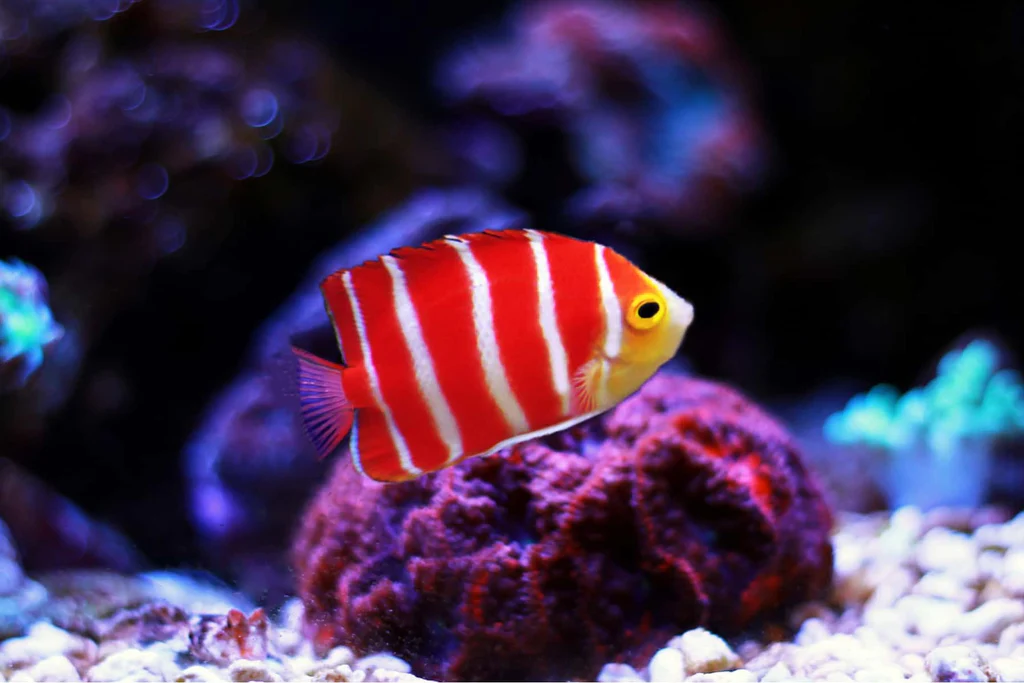
The Peppermint Angelfish (Centropyge boylei) is a saltwater stunner that commands up to $30,000. Its red-and-white striped body, resembling a peppermint candy, makes it a coveted addition to reef tanks. Found in the deep waters (150–360 feet) around the Cook Islands and Rarotonga, this fish is incredibly hard to collect, requiring specially trained divers and decompression techniques to bring it to the surface alive.
Its rarity and delicate nature drive its price. Only a handful enter the aquarium trade each year, and their survival in captivity depends on precise water conditions and a habitat with plenty of hiding spots. For aquarists, the Peppermint Angelfish is the ultimate showpiece.
Breeding Challenges
Breeding Peppermint Angelfish is a nightmare. Their deep-sea habitat is tough to replicate, and they’re sensitive to stress. Successful breeding requires a dark, pressurized tank with rocks and caves—conditions most hobbyists can’t achieve. This scarcity keeps their value sky-high.
Comparing the Top Three Expensive Fish
To help you understand how these fish stack up, here’s a comparison table:
| Fish | Price Range | Type | Key Features | Care Difficulty |
|---|---|---|---|---|
| Platinum Arowana | Up to $400,000 | Freshwater | Rare albino mutation, cultural significance | High |
| Flowerhorn Cichlid | $150–$600,000 | Freshwater | Vibrant colors, unique head hump | Moderate |
| Peppermint Angelfish | Up to $30,000 | Saltwater | Striking red-white stripes, deep-sea rarity | Very High |
Pros and Cons of Owning These Fish
Platinum Arowana Pros: Prestigious status, long lifespan (up to 60 years), striking appearance. Cons: Endangered, requires massive tank, strict legal regulations.
Flowerhorn Cichlid Pros: Interactive personality, vibrant colors, show-quality potential. Cons: Territorial, needs large tank, high maintenance for premium specimens.
Peppermint Angelfish Pros: Stunning beauty, small size, ideal for reef tanks. Cons: Extremely difficult to acquire, sensitive to water conditions, expensive upkeep.
Other Notable Expensive Aquarium Fish
Neptune Grouper: A Colorful Deep-Sea Prize
The Neptune Grouper (Cephalopholis igarashiensis), priced at around $6,000–$8,000, is a saltwater fish with vibrant orange, pink, and yellow stripes. Found at depths of over 100 meters in the Pacific and Indian Oceans, it’s rarely seen in the trade due to the challenges of capturing it alive. Juveniles are more common but still costly.
Its bright colors and rarity make it a favorite for collectors, but it requires a large tank (180+ gallons) and a diet of live food. Only experienced aquarists should attempt to keep this delicate fish.
Bladefin Basslet: Small but Mighty
The Bladefin Basslet (Jeboehlkia gladifer), a tiny 1.5-inch fish, sells for $8,000–$10,000. Its white body with red markings and blade-like dorsal fin make it a standout, but its deep-sea habitat (over 500 feet) means only submersibles can catch it. This drives up its price, as few survive the journey to aquariums.
Despite its small size, it’s an aggressive hunter, requiring a specialized diet of live mysis shrimp. It’s a dream fish for collectors with deep pockets and deeper tanks.
Australian Flathead Perch: A Rare Reef Dweller
Priced at around $3,000–$5,000, the Australian Flathead Perch (Rainfordia opercularis) is a shy, elusive fish found only in the Great Barrier Reef. Its lilac stripes and flattened body make it a unique addition to reef tanks, but its limited range and difficulty to catch keep it rare.
Recent captive breeding efforts may lower its price in the future, but for now, it’s a luxury for serious hobbyists. It prefers solitude and a tank with plenty of hiding spots.
Why These Fish Are Worth the Price (or Not)
The Emotional Appeal
I’ll never forget visiting a friend’s home aquarium, where a Platinum Arowana glided majestically across a 500-gallon tank. It was like watching a living jewel, its scales catching the light in a way that felt almost magical. For collectors, these fish aren’t just pets—they’re a connection to the wild, a testament to their dedication, and sometimes, a reflection of their identity. The joy of nurturing a rare fish and watching it thrive is priceless, even if the price tag isn’t.
But let’s be real: spending $400,000 on a fish isn’t for everyone. The stress of maintaining perfect water conditions, worrying about power outages, or even the fish jumping out (Arowanas are notorious for this) can keep you up at night. For some, the prestige is worth it; for others, it’s a risky investment.
Practical Considerations
Before you dream of owning one of these fish, consider the costs beyond the purchase price:
- Tank Setup: Large tanks (200+ gallons) can cost $2,000–$10,000, plus filtration systems, heaters, and chillers.
- Maintenance: Premium food, water testing kits, and electricity for pumps and lights add up.
- Expertise: Many of these fish require professional care or consultation with marine biologists.
If you’re new to the hobby, start with more affordable species like Bettas or Guppies to build your skills. The heartbreak of losing a $30,000 fish due to a rookie mistake isn’t worth the risk.
Where to Find These Rare Fish
Finding these fish isn’t as simple as walking into a pet store. Here’s where to look:
- Specialty Aquarium Stores: Shops like House of Fins in Connecticut or Dynasty Marine in Florida occasionally stock rare species.
- Certified Breeders: For Arowanas, look for CITES-approved farms in Southeast Asia or Sri Lanka.
- Online Marketplaces: Sites like LiveAquaria or AquaBid list high-end fish, but verify the seller’s reputation.
- Auctions and Fish Shows: Rare specimens often appear at aquarium trade shows or auctions in Asia.
Always check local regulations, as some fish (like the Platinum Arowana) are illegal to import in places like the U.S. due to their endangered status.
People Also Ask (PAA)
What is the most expensive fish ever sold?
The most expensive fish ever sold was a Flowerhorn Cichlid, the Golden Monkey, which fetched $600,000 in Malaysia in 2009 due to its unique markings and show-quality status.
Why are some aquarium fish so expensive?
Rarity, difficulty of capture, cultural significance, and high maintenance needs drive up prices. Fish like the Peppermint Angelfish require deep-sea divers, while Arowanas are regulated due to their endangered status.
Can you legally buy a Platinum Arowana?
In many countries, wild-caught Platinum Arowanas are illegal to trade due to CITES regulations. Captive-bred specimens from certified farms are legal but expensive, often requiring permits.
What’s the most expensive saltwater fish?
The Peppermint Angelfish, priced at up to $30,000, is the most expensive saltwater fish due to its rarity and the challenges of collecting it from deep ocean waters.
FAQ Section
Q: Are expensive aquarium fish good investments? A: While some fish, like Platinum Arowanas, can appreciate in value, their high maintenance costs and risks (disease, death) make them risky investments. They’re better suited for passionate collectors than profit-seekers.
Q: How do I start keeping rare fish? A: Begin with easier species to learn aquarium maintenance. Research tank requirements, join forums like Reef2Reef, and consult experts before investing in rare fish.
Q: Are there affordable alternatives to these expensive fish? A: Yes! Colorful species like Discus, Koi, or Clownfish offer stunning beauty at a fraction of the cost, starting at $20–$100.
Q: What’s the hardest part of keeping these fish? A: Maintaining precise water parameters (pH, salinity, temperature) and providing a suitable diet are critical. Rare fish are often sensitive, requiring constant monitoring.
Q: Can I breed expensive fish to make money? A: Breeding rare fish like Peppermint Angelfish is challenging and costly, requiring specialized setups. It’s rarely profitable for hobbyists due to high overhead costs.
Tips for Aspiring High-End Aquarists
If you’re dreaming of owning one of these aquatic treasures, here’s how to get started:
- Research Extensively: Read books like The Dragon Behind the Glass by Emily Voigt for insights into the Arowana trade.
- Join Communities: Forums like Reef2Reef or Reddit’s r/Aquariums offer advice from experienced keepers.
- Invest in Equipment: High-end filtration systems, like those from Fluval or Eheim, are essential for sensitive fish.
- Start Small: Practice with less demanding species to avoid costly mistakes.
- Network with Experts: Connect with marine biologists or specialty breeders for guidance.
Conclusion: Is the Price Worth the Prize?
The world of expensive aquarium fish is a fascinating blend of beauty, rarity, and prestige. From the $400,000 Platinum Arowana to the $30,000 Peppermint Angelfish, these creatures are more than pets—they’re symbols of dedication and wealth. But their high cost comes with high responsibility. The tanks, food, and care required can rival the price of the fish itself, and the emotional toll of losing such an investment can be heavy.
For me, the real joy of fishkeeping isn’t in the price tag but in the connection you build with your aquatic companions. Watching a Flowerhorn wag its tail when you approach or seeing a Peppermint Angelfish dart through a coral reef is a reward no dollar amount can measure. If you’re ready to dive into this world, start small, learn the ropes, and maybe one day, you’ll be the proud owner of a fish that’s worth more than your car.
For more information on rare fish or to explore purchasing options, visit trusted aquarium resources like LiveAquaria or check local regulations for importing exotic species.