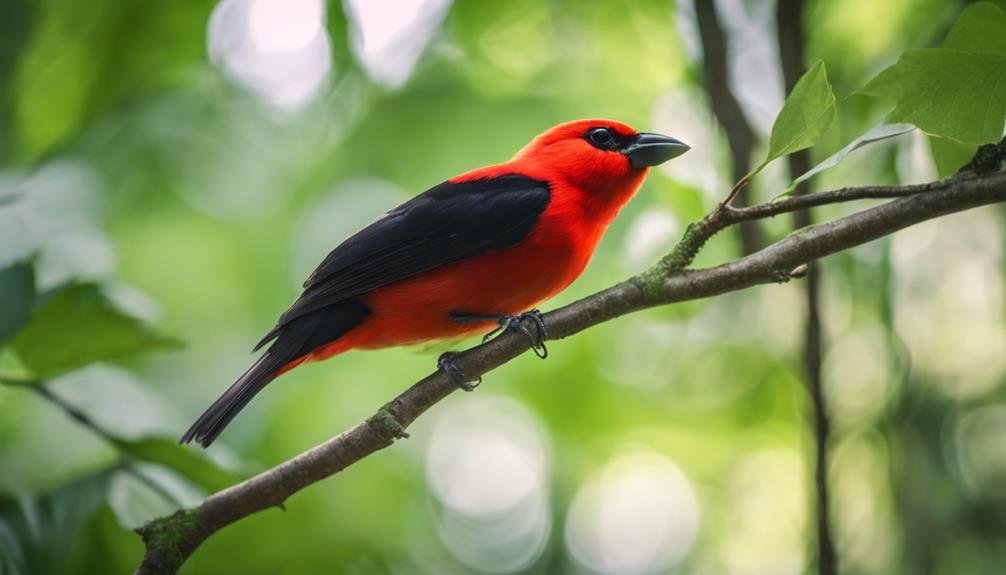
The sight of a red-breasted bird flitting through your backyard or perched on a forest branch is nothing short of mesmerizing. That vibrant splash of crimson, scarlet, or ruby against a backdrop of green leaves or snowy ground grabs your attention like a painter’s boldest stroke. As a lifelong birdwatcher who’s spent countless mornings with binoculars in hand, I’ve come to appreciate how these birds aren’t just beautiful—they’re storytellers of nature, each with unique habits, habitats, and quirks. In this guide, we’ll explore 15 stunning red-breasted bird species, diving into their characteristics, behaviors, and where you can spot them. Whether you’re a seasoned birder or just curious about that fiery flash in your garden, this article is your ticket to understanding these avian gems.
Why Red-Breasted Birds Are So Special
The red chest of a bird isn’t just a pretty feature—it’s a survival tool. That vivid hue often signals health and vitality, helping males attract mates or ward off rivals. It’s nature’s way of saying, “Look at me, I’m thriving!” I remember the first time I saw a Northern Cardinal in my Ohio backyard; its blazing red chest seemed to light up the dreary winter day, and I was hooked on birdwatching ever since. From forests to urban parks, these birds thrive across diverse habitats, making them a delight for anyone with a pair of binoculars or a bird feeder.
The Science Behind the Red
The red coloration in birds comes from pigments called carotenoids, derived from their diet of fruits, seeds, and insects. Brighter reds often indicate a healthier bird, which is why females tend to choose the most vibrant males. This isn’t just vanity—it’s evolution at work, ensuring strong genes for the next generation. Red chests also help with species recognition and can even deter predators by signaling that a bird might not be worth the chase.
15 Red-Breasted Bird Species You Need to Know
Below, we’ll dive into 15 red-breasted bird species, covering their appearance, habitats, diets, and behaviors. I’ve included personal anecdotes where possible to bring these birds to life, along with practical tips for spotting them. Let’s get started!
1. Northern Cardinal (Cardinalis cardinalis)
The Northern Cardinal is the rock star of red-breasted birds, instantly recognizable by its fiery red plumage and distinctive crest. Males are almost entirely red, with a black face mask, while females sport a softer reddish-brown hue. Found across North America, from backyards to woodlands, they’re a year-round treat for birdwatchers.
- Size: 8–9 inches long
- Habitat: Woodlands, gardens, urban areas
- Diet: Seeds, fruits, insects
- Fun Fact: Cardinals are territorial singers, with both males and females belting out melodious tunes. I once heard a cardinal’s “cheery-cheery” song while sipping coffee on my porch—it’s like nature’s alarm clock!
2. Scarlet Tanager (Piranga olivacea)
The Scarlet Tanager is a summer stunner with a deep red body and jet-black wings. Found in North American forests, they migrate to South America for winter. Their elusive nature makes spotting one feel like finding buried treasure.
- Size: 6.3–7.5 inches
- Habitat: Deciduous forests, woodlands
- Diet: Insects, berries, fruits
- Spotting Tip: Look high in forest canopies during summer. Their bright red is hard to miss against green leaves.
3. Rose-Breasted Grosbeak (Pheucticus ludovicianus)
With a bold red triangle on its chest, the male Rose-Breasted Grosbeak looks like it’s wearing a heart-shaped badge. Females are brown and streaky, blending into their surroundings. These birds are common at feeders in eastern North America.
- Size: 7–8.5 inches
- Habitat: Forests, woodlands, backyards
- Diet: Seeds, insects, fruits
- Personal Note: I once watched a grosbeak munch on sunflower seeds at my feeder, its red chest glowing in the morning light.
4. House Finch (Haemorhous mexicanus)
The House Finch is a familiar sight at urban feeders, with males sporting a rosy-red breast and face. Females are plain gray-brown, but both are chatty and social. They’re widespread across the U.S. thanks to an accidental introduction in the 1940s.
- Size: 5–6 inches
- Habitat: Urban areas, suburbs, farms
- Diet: Seeds, berries, insects
- Pro Tip: Stock your feeder with black oil sunflower seeds to attract these little guys.
5. Vermilion Flycatcher (Pyrocephalus rubinus)
The Vermilion Flycatcher is a desert jewel, with males boasting a fiery red breast and crown. Found in the southwestern U.S. and Central America, their acrobatic insect-catching flights are a sight to behold.
- Size: 5.1–5.5 inches
- Habitat: Deserts, scrublands, farmlands
- Diet: Insects (flies, beetles, grasshoppers)
- Fun Fact: Males offer females insects as part of their courtship—talk about a buggy bouquet!
6. Painted Bunting (Passerina ciris)
Often called North America’s most colorful bird, the Painted Bunting’s red breast is paired with a blue head and green back. They’re shy, so spotting one in the southern U.S. feels like winning the birdwatching lottery.
- Size: 4.7–5.5 inches
- Habitat: Thickets, woodlands, coastal regions
- Diet: Seeds, insects
- Challenge: Their secretive nature means you’ll need patience and a keen eye.
7. American Robin (Turdus migratorius)
The American Robin’s reddish-orange breast is a classic sign of spring. These thrushes are common in gardens and parks, often seen hopping across lawns in search of worms.
- Size: 9–11 inches
- Habitat: Gardens, parks, forests
- Diet: Worms, insects, berries
- Memory: As a kid, I’d watch robins tug worms from the ground after rain—nature’s tug-of-war!
8. Red-Breasted Nuthatch (Sitta canadensis)
This tiny bird’s rusty-cinnamon breast and black-and-white face make it a charming forest dweller. They’re known for climbing down tree trunks head-first, a quirky behavior that’s fun to watch.
- Size: 4.3–4.7 inches
- Habitat: Coniferous forests, mountains
- Diet: Insects, seeds
- Spotting Tip: Listen for their “yank-yank” calls, like tiny tin horns.
9. Pyrrhuloxia (Cardinalis sinuatus)
The Pyrrhuloxia, or “desert cardinal,” has a gray body with red patches on its face, breast, and wings. Found in the southwestern U.S., they’re a bit more subdued than their cardinal cousins.
- Size: 8–9 inches
- Habitat: Deserts, mesquite thickets
- Diet: Seeds, insects
- Fun Fact: Their metallic “chink” call is a giveaway in arid landscapes.
10. Summer Tanager (Piranga rubra)
The Summer Tanager is a vibrant all-red bird, with males lacking the black wings of their scarlet cousins. They migrate to the southern U.S. for breeding, catching wasps mid-flight with ninja-like precision.
- Size: 6.7–7.9 inches
- Habitat: Forests, woodlands
- Diet: Insects, berries
- Pro Tip: Look for them in open woodlands during summer.
11. Hepatic Tanager (Piranga flava)
The Hepatic Tanager’s orange-red breast and grayish-red back give it a subtler charm. Found in the southwestern U.S. and Central America, they’re less studied but no less striking.
- Size: 6.3–7.9 inches
- Habitat: Arid scrublands, forests
- Diet: Insects, fruits
- Note: Only 106 have been banded in the U.S., making sightings special.
12. Red-Breasted Sapsucker (Sphyrapicus ruber)
This woodpecker’s red head and chest make it a standout in western North America. They drill into trees for sap, creating “sap wells” that attract insects and other birds.
- Size: 7.9–8.7 inches
- Habitat: Forests, orchards
- Diet: Sap, insects, fruits
- Fun Fact: Their sap wells are like a buffet for hummingbirds!
13. Crimson-Breasted Shrike (Laniarius atrococcineus)
Found in southern Africa, this shrike’s scarlet-red underside and black upper parts are striking. Their metallic calls are as bold as their plumage.
- Size: 8–9 inches
- Habitat: Savannas, scrublands
- Diet: Insects, fruits
- Challenge: Spotting the rare yellow morph is a birder’s dream.
14. Scarlet-Breasted Flowerpecker (Dicaeum retrocinctum)
This tiny bird, found in Southeast Asia, has a bright red chest and throat against a black body. At just 3.5 inches, it’s a master of agility in forest canopies.
- Size: 3.5 inches
- Habitat: Forests, gardens
- Diet: Fruits, nectar
- Role: They help pollinate plants, making them eco-warriors.
15. Red-Breasted Merganser (Mergus serrator)
This diving duck’s rusty chest and shaggy green head make it a unique addition. Found in coastal waters and inland lakes, they’re expert fish-catchers with serrated bills.
- Size: 20–26 inches
- Habitat: Wetlands, coastal waters
- Diet: Fish, crustaceans
- Memory: I once saw a merganser dive for fish in a chilly lake—pure grace!
Comparing Red-Breasted Birds: A Quick Guide
To help you identify these birds, here’s a comparison table highlighting key traits:
| Species | Size (inches) | Habitat | Diet | Distinctive Feature |
|---|---|---|---|---|
| Northern Cardinal | 8–9 | Woodlands, gardens | Seeds, fruits, insects | Bright red crest, black mask |
| Scarlet Tanager | 6.3–7.5 | Forests | Insects, berries | Black wings, deep red body |
| Rose-Breasted Grosbeak | 7–8.5 | Forests, backyards | Seeds, insects, fruits | Red chest triangle |
| House Finch | 5–6 | Urban areas, farms | Seeds, berries, insects | Rosy-red face and breast |
| Vermilion Flycatcher | 5.1–5.5 | Deserts, scrublands | Insects | Fiery red crown and breast |
| Painted Bunting | 4.7–5.5 | Thickets, woodlands | Seeds, insects | Blue head, red breast |
| American Robin | 9–11 | Gardens, parks | Worms, insects, berries | Reddish-orange breast |
| Red-Breasted Nuthatch | 4.3–4.7 | Coniferous forests | Insects, seeds | Rusty-cinnamon breast |
| Pyrrhuloxia | 8–9 | Deserts, mesquite thickets | Seeds, insects | Gray with red patches |
| Summer Tanager | 6.7–7.9 | Forests, woodlands | Insects, berries | All-red plumage |
| Hepatic Tanager | 6.3–7.9 | Arid scrublands, forests | Insects, fruits | Orange-red breast |
| Red-Breasted Sapsucker | 7.9–8.7 | Forests, orchards | Sap, insects, fruits | Red head and chest |
| Crimson-Breasted Shrike | 8–9 | Savannas, scrublands | Insects, fruits | Scarlet-red underside |
| Scarlet-Breasted Flowerpecker | 3.5 | Forests, gardens | Fruits, nectar | Tiny size, red chest |
| Red-Breasted Merganser | 20–26 | Wetlands, coastal waters | Fish, crustaceans | Shaggy green head, rusty chest |
Pros and Cons of Birdwatching Red-Breasted Birds
Pros
- Visual Appeal: Their vibrant red chests make them easy to spot and photograph.
- Diverse Habitats: From urban backyards to remote forests, you can find them almost anywhere.
- Behavioral Variety: From acrobatic flycatchers to sap-drilling sapsuckers, their habits are fascinating.
- Conservation Impact: Observing these birds can inspire efforts to protect their habitats.
Cons
- Elusive Species: Birds like the Painted Bunting are shy and hard to spot.
- Seasonal Challenges: Many, like the Scarlet Tanager, are only visible during specific seasons.
- Identification Confusion: Similar-looking species (e.g., House Finch vs. Purple Finch) can be tricky to distinguish.
How to Spot Red-Breasted Birds: Tips and Tools
Spotting red-breasted birds is a rewarding adventure, but it takes patience and the right approach. Here are some tips based on my years of birdwatching:
- Get the Right Gear: A pair of 8×42 binoculars (like the Nikon Monarch 5) offers clear views without breaking the bank. A field guide, like The Sibley Guide to Birds, is a must-have.
- Visit Diverse Habitats: Check local parks, forests, or wetlands. For example, I’ve had luck spotting cardinals in suburban gardens and tanagers in dense woodlands.
- Use Bird Feeders: Stock feeders with sunflower seeds or suet to attract cardinals, grosbeaks, and finches.
- Learn Their Calls: Apps like Merlin Bird ID can help you identify songs, like the cardinal’s whistled “cheery” or the nuthatch’s “yank-yank.”
- Time It Right: Early mornings or late afternoons during spring and summer are prime birdwatching times.
Best Tools for Birdwatching
- Binoculars: Nikon Monarch 5 or Vortex Optics Diamondback
- Apps: Merlin Bird ID, Audubon Bird Guide
- Field Guides: The Sibley Guide to Birds, National Geographic Field Guide to the Birds of North America
- Feeders: Tube feeders for seeds, suet feeders for nuthatches and sapsuckers
People Also Ask (PAA) Section
Here are some common questions about red-breasted birds, pulled from Google’s PAA feature, with concise answers:
What bird has a red breast and black wings?
The Scarlet Tanager is a prime example, with a bright red body and contrasting black wings. Males are especially vivid during the breeding season.
Are red-breasted birds rare?
Not all are rare—Northern Cardinals and House Finches are common—but species like the Painted Bunting can be elusive due to their shy nature.
Where can I see red-breasted birds in the U.S.?
Look in backyards for cardinals and finches, forests for tanagers and grosbeaks, or deserts for vermilion flycatchers and pyrrhuloxias. Check local Audubon chapters for hotspots.
Why do some birds have red chests?
Red chests, caused by carotenoid pigments, signal health and attract mates. They also aid in species recognition and may deter predators.
FAQ Section
What’s the most common red-breasted bird in North America?
The Northern Cardinal is arguably the most common, found in backyards, parks, and woodlands across the U.S. and Canada. Its bright red plumage and crest make it unmistakable.
How can I attract red-breasted birds to my yard?
Set up feeders with black oil sunflower seeds, suet, or fruit. Plant berry-producing shrubs like holly or dogwood, and provide water sources like birdbaths.
Do red-breasted birds migrate?
Some, like Scarlet Tanagers and Rose-Breasted Grosbeaks, migrate to Central or South America for winter. Others, like Northern Cardinals, are year-round residents.
How do I tell a House Finch from a Purple Finch?
House Finches have streaky flanks and a red forehead, while Purple Finches have a pinkish-red crown and less streaking. Check their songs too—House Finches have a scratchy warble.
Are red-breasted birds endangered?
Most, like cardinals and finches, are stable, but some, like the Painted Bunting, face population declines due to habitat loss. Conservation efforts are key.
Connecting with Red-Breasted Birds: A Personal Reflection
Birdwatching isn’t just about checking species off a list—it’s about moments that stick with you. I’ll never forget the summer I spotted a Vermilion Flycatcher in Arizona, its red plumage glowing against the dusty landscape. It darted after a beetle, and I felt like I’d witnessed a tiny superhero in action. These birds remind us to slow down, look up, and appreciate the wild beauty around us. Whether you’re setting up a feeder or hiking a forest trail, red-breasted birds offer a glimpse into nature’s artistry.
Where to Get Started
- Join Local Birding Groups: Audubon Society chapters or eBird communities offer guided walks and tips. Audubon Society
- Visit Nature Reserves: Check out hotspots like the Everglades for Painted Buntings or Arizona’s canyons for Elegant Trogons.
- Contribute to Citizen Science: Log sightings on eBird to help track populations. eBird
Conclusion: Embrace the Red-Breasted Adventure
Red-breasted birds are more than just a splash of color—they’re a gateway to understanding nature’s complexity and beauty. From the bold Northern Cardinal to the elusive Scarlet-Breasted Flowerpecker, each species has a story to tell. Grab your binoculars, fill a feeder, and step outside. You might just find a new favorite bird—or a new favorite hobby. Happy birding!