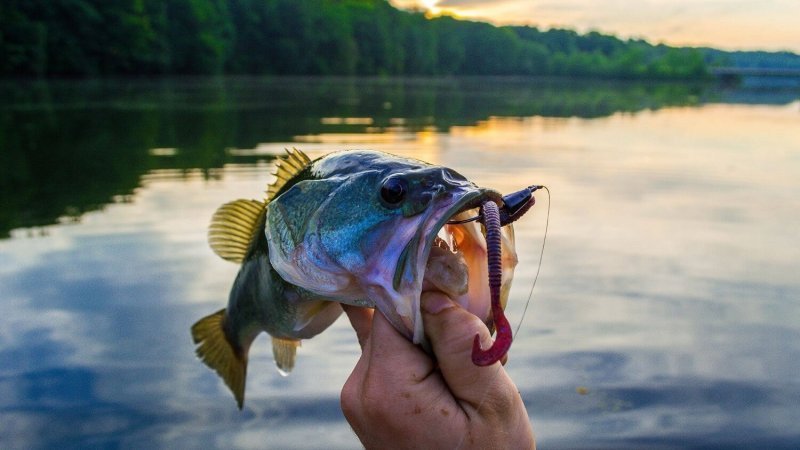
Fishing is more than just a pastime—it’s a dance with nature, a test of patience, and a chance to outsmart some of the slipperiest creatures in the water. I remember my first time fishing with my grandfather on a quiet lake, armed with nothing but a bucket of worms and a cheap rod. We didn’t catch much that day, but the thrill of feeling a tug on the line hooked me for life. The secret to a great catch often lies in your bait, and live bait can make all the difference in freshwater fishing. In this article, we’ll explore the seven best live freshwater fishing baits, diving into why they work, how to use them, and where to find them. Whether you’re a beginner or a seasoned angler, this guide is packed with practical tips to elevate your fishing game.
Why Live Bait Reigns Supreme in Freshwater Fishing
Live bait is the gold standard for many anglers because it mimics the natural prey fish crave. Its movement, scent, and texture are irresistible to species like bass, trout, and catfish. Unlike artificial lures, live bait doesn’t require fancy casting techniques—just a hook and some know-how. Let’s break down the top seven live baits that can turn a slow day on the water into a bucket-filling adventure.
Understanding the Appeal of Live Bait
Live bait works because it taps into a fish’s instincts—movement triggers their predatory drive, while natural scents draw them in. It’s versatile, affordable, and often outperforms lures in murky waters or when fish are picky. Plus, there’s something satisfying about using what nature provides to catch your dinner.
1. Nightcrawlers: The Universal Crowd-Pleaser
Nightcrawlers are the Swiss Army knife of fishing bait—reliable, easy to find, and loved by nearly every freshwater fish. I’ve seen bass, trout, and even panfish go wild for these wriggly worms. Their affordability and availability make them a staple for anglers of all levels.
Why Nightcrawlers Work
Nightcrawlers’ natural squirming motion and earthy scent are like a dinner bell for fish. They’re effective in rivers, lakes, and ponds, and their size can be adjusted by cutting them into smaller pieces for panfish or threading them whole for bigger catches.
How to Use Nightcrawlers
Thread a nightcrawler onto a size 6-8 hook, covering the shank to hide the metal. Use a bobber to suspend the bait at the desired depth, or let it sink near structure for bottom-feeders like catfish. Keep them cool in a bait container to maintain their liveliness.
Where to Get Nightcrawlers
- Local Bait Shops: Most carry nightcrawlers year-round for $2–$5 per dozen.
- Your Backyard: Dig in damp soil after rain for free worms.
- Online Retailers: Sites like Amazon or Walmart sell bulk nightcrawlers with bedding.
Pro Tip: Store nightcrawlers in a cool, dark place with moist bedding to keep them fresh for weeks.
2. Minnows: The Big-Fish Magnet
Minnows are small fish that pack a big punch, especially for predatory species like largemouth bass and walleye. I once watched a friend land a 5-pound bass using a single shiner—it was like the fish couldn’t resist the bait’s frantic swimming.
Why Minnows Work
Minnows mimic the natural prey of larger fish, with their darting movements triggering aggressive strikes. Their silvery flash is a visual cue that screams “food” to predators in clear or murky water.
How to Use Minnows
Hook minnows through the lips or dorsal fin to keep them alive and swimming naturally. Use a float for shallow water or a slip sinker for deeper zones. A small aerator in your bait bucket ensures they stay lively all day.
Where to Get Minnows
- Bait Shops: Look for shiners or fathead minnows, priced around $3–$6 per dozen.
- DIY Trapping: Use a minnow trap baited with bread in shallow streams.
- Local Regulations: Check state laws, as some areas restrict transporting live minnows to prevent invasive species spread.
Comparison Table: Nightcrawlers vs. Minnows
| Bait | Target Species | Cost | Ease of Use | Storage Needs |
|---|---|---|---|---|
| Nightcrawlers | Bass, trout, catfish, panfish | $2–$5/dozen | Very easy | Cool, moist bedding |
| Minnows | Bass, walleye, pike, crappie | $3–$6/dozen | Moderate | Aerated water |
3. Crayfish: The Bass’s Favorite Snack
Crayfish, or crawdads, are a top choice for bass anglers, especially smallmouth enthusiasts. I’ll never forget the time I hooked a crawdad under a rock and watched a smallmouth bass strike within seconds—it was like ringing the dinner bell.
Why Crayfish Work
Crayfish are a natural part of many freshwater ecosystems, making them a familiar meal for bass and catfish. Their hard shells and twitching claws create vibrations that fish can’t ignore.
How to Use Crayfish
Hook live crayfish through the tail for natural movement, or use just the tail for panfish. Fish them near rocky bottoms or weed beds using a jig or Carolina rig. Dead crayfish can be cut into chunks for catfish bait.
Where to Get Crayfish
- Local Waters: Flip rocks in shallow streams or use a small net at night.
- Bait Shops: Some carry live crayfish, though availability varies.
- Online Suppliers: Specialty retailers like Bass Pro Shops offer live crayfish seasonally.
Pros and Cons of Crayfish
- Pros: Highly effective for bass; natural prey; versatile (live or dead).
- Cons: Harder to find than worms; can be aggressive and pinch; seasonal availability.
4. Leeches: The Underrated Walleye Winner
Leeches might give you the creeps, but they’re a secret weapon for walleye and northern pike. I was skeptical until a guide showed me how a leech’s slinky swimming motion turned a slow day into a fish frenzy.
Why Leeches Work
Leeches’ unique swimming motion and strong scent attract fish that rely on movement and smell, especially in cooler waters. They’re durable and can stay alive on the hook for hours.
How to Use Leeches
Hook leeches through the tail sucker for maximum movement. Use a slip sinker or jig in deeper waters, letting the leech swim naturally. Acclimate them to water temperature for an hour before fishing to ensure lively action.
Where to Get Leeches
- Bait Shops: Common in northern states, costing $4–$8 per dozen.
- Online: Retailers like Cabela’s ship leeches with proper packaging.
- Local Waters: Check regulations before collecting from lakes or streams.
5. Insects: The Springtime Superstars
Insects like crickets, grasshoppers, and mealworms are perfect for spring fishing when fish are hunting bugs. I’ve had bluegills practically leap out of the water for a well-placed cricket.
Why Insects Work
Insects are abundant in spring, making them a natural target for trout, panfish, and smallmouth bass. Their small size and lively movements make them ideal for light tackle fishing.
How to Use Insects
Thread insects onto a size 10-12 hook, ensuring they stay alive. Fish them under a small float near the surface or let them drift in streams. Crickets and grasshoppers work best in shallow waters.
Where to Get Insects
- Bait Shops: Crickets and mealworms are widely available for $2–$4 per dozen.
- DIY Collection: Catch grasshoppers in fields or mealworms under logs.
- Pet Stores: Often sell crickets and mealworms for reptile feed, which double as bait.
6. Freshwater Shrimp: The Catfish Candy
Freshwater shrimp are a lesser-known bait that catfish and bass can’t resist, especially in cooler waters. I once used frozen shrimp on a whim and landed a 10-pound channel cat—it was a game-changer.
Why Freshwater Shrimp Work
Shrimp’s strong scent and soft texture make them a prime target for bottom-feeders like catfish. They’re effective in waters below 70°F, where their scent carries well.
How to Use Freshwater Shrimp
Remove the shell and tail, then hook through the body. Use a sinker to keep shrimp near the bottom, or fish under a bobber in shallow areas. Frozen shrimp work nearly as well as live ones.
Where to Get Freshwater Shrimp
- Bait Shops: Limited availability; check specialty shops in southern states.
- Grocery Stores: Frozen shrimp from the seafood section work in a pinch.
- Local Waters: Use a fine-mesh net in shallow, weedy areas (check regulations).
7. Clams and Mussels: The Hidden Gem
Clams and mussels are a niche bait, but they’re deadly for catfish and carp in rivers like the St. Johns. I learned this trick from a local angler who swore by fresh mussels for big cats.
Why Clams and Mussels Work
Their strong, musky scent attracts bottom-feeders, and their tough texture stays on the hook. They’re a natural food source in many rivers, making them irresistible to local fish.
How to Use Clams and Mussels
Crack the shell, cut out the meat, and let it harden in the sun for 10 minutes. Thread onto a hook with strong fishing line to prevent loss. Fish near riverbeds or structure.
Where to Get Clams and Mussels
- Local Rivers: Collect from shallow waters (check legality).
- Bait Shops: Rare, but some coastal shops carry them.
- Online: Limited suppliers; try regional fishing retailers.
Table: Best Live Bait by Target Species
| Bait | Best For | Water Conditions | Season |
|---|---|---|---|
| Nightcrawlers | Bass, trout, catfish, panfish | Clear/murky | Year-round |
| Minnows | Bass, walleye, pike, crappie | Clear/murky | Year-round |
| Crayfish | Bass, catfish | Rocky/weedy | Spring/summer |
| Leeches | Walleye, northern pike | Cool waters | Spring/fall |
| Insects | Trout, panfish, smallmouth bass | Shallow/clear | Spring |
| Freshwater Shrimp | Catfish, bass | Cool waters (<70°F) | Fall/winter |
| Clams/Mussels | Catfish, carp | Rivers/murky | Year-round |
People Also Ask (PAA) Section
What is the best live bait for freshwater fishing?
The best live bait depends on your target species and water conditions. Nightcrawlers are the most versatile, attracting bass, trout, and panfish, while minnows excel for predatory fish like walleye. Consider local fish diets and regulations when choosing.
Where can I get live bait for fishing?
Local bait shops are the easiest source, offering worms, minnows, and more. You can also collect bait like worms or crayfish from your backyard or local waters (check regulations). Online retailers like Bass Pro Shops or Amazon sell live bait with proper shipping.
How do I keep live bait fresh?
Store worms in cool, moist bedding, minnows in aerated water, and leeches in a refrigerated container. Crayfish and shrimp need cool, oxygenated water, while insects can be kept in ventilated containers with food like lettuce.
Can I use artificial bait instead of live bait?
Yes, artificial lures like soft plastics or crankbaits can be effective, especially in clear water. However, live bait often outperforms lures in murky conditions or when fish are less active due to its natural scent and movement.
Tips for Choosing the Right Live Bait
- Match the Hatch: Choose bait that mimics the natural prey in your fishing spot. For example, use crayfish in rocky streams or minnows in open lakes.
- Check Regulations: Some areas ban certain live baits to prevent invasive species. Visit your state’s Fish and Wildlife website for rules.
- Consider Water Conditions: Use scent-heavy baits like worms or shrimp in murky water; opt for visual baits like minnows in clear water.
- Season Matters: Insects shine in spring, while shrimp and leeches work best in cooler seasons.
Pros and Cons of Live Bait vs. Artificial Lures
- Live Bait Pros: Natural movement/scent; affordable; effective in murky water.
- Live Bait Cons: Requires storage; can be illegal in some waters; less durable.
- Artificial Lure Pros: Reusable; versatile; no storage hassle.
- Artificial Lure Cons: Requires skill; less effective in low-visibility water.
Best Tools for Using Live Bait
- Bait Buckets: Aerated buckets (like the Frabill Min-O-Life, $20–$30) keep minnows and shrimp alive.
- Hooks: Size 6-10 bait hooks (Gamakatsu or Eagle Claw, $5–$10/pack) work for most live baits.
- Bobbers: Slip bobbers ($3–$5) help control bait depth.
- Nets: Fine-mesh nets ($10–$20) are ideal for collecting crayfish or minnows.
FAQ Section
What’s the most versatile live bait for freshwater fishing?
Nightcrawlers are the most versatile, attracting a wide range of species like bass, trout, and catfish. They’re easy to find, affordable, and work in various water conditions.
How do I hook live bait without killing it?
For worms, thread the hook through the body to cover it. For minnows, hook through the lips or dorsal fin, avoiding the spine. Leeches and shrimp should be hooked through the tail for natural movement.
Are there legal restrictions on live bait?
Yes, many states restrict transporting live bait to prevent invasive species. Check your local Fish and Wildlife regulations before collecting or buying bait.
Can I catch my own live bait?
Absolutely! Dig worms in your garden, trap minnows with a net, or collect crayfish under rocks. Always verify local laws to ensure it’s legal.
How do I store live bait for long trips?
Use aerated buckets for minnows and shrimp, cool bedding for worms and leeches, and ventilated containers for insects. Keep them out of direct sunlight and refresh water or bedding daily.
Conclusion: Reel in the Big Ones with Live Bait
Live bait is your ticket to a successful day on the water, offering unmatched appeal to freshwater fish. From the wriggly nightcrawler to the sneaky crayfish, each bait has its moment to shine. By matching your bait to the fish, water conditions, and season, you’ll boost your chances of landing a trophy catch. So, grab your rod, stock up on these seven baits, and hit the water with confidence. Have a favorite bait or a fishing story to share? Drop it in the comments—I’d love to hear what works for you!
External Links: For more fishing tips, check out TakeMeFishing.org or your state’s Fish and Wildlife Department for regulations.