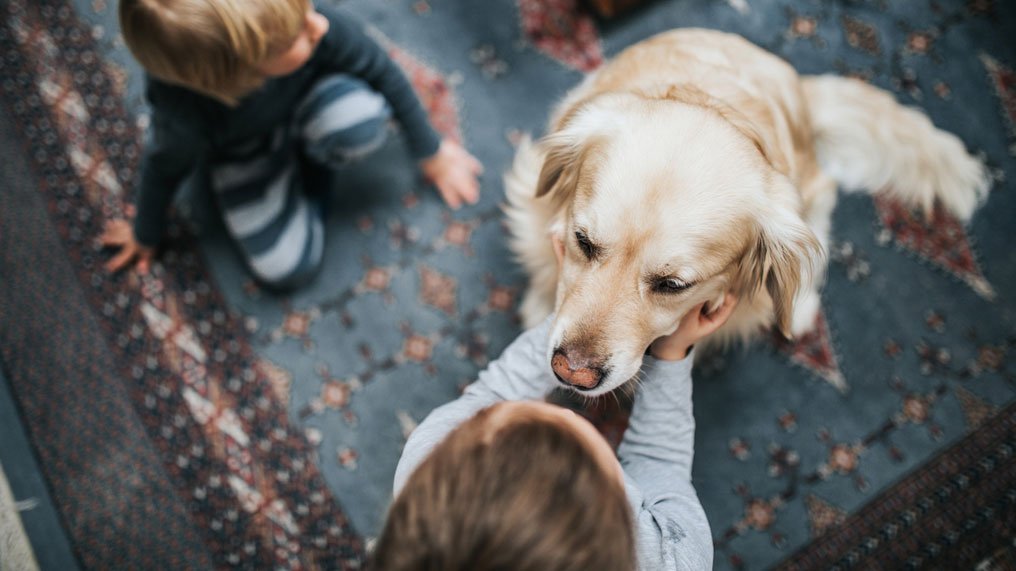
Pets aren’t just furry companions who steal your snacks or demand belly rubs at the most inconvenient times. They’re pint-sized life coaches for kids, teaching lessons no classroom can match. Growing up with a pet can shape a child’s heart, mind, and character in ways that are both delightful and profound. As a mom who’s watched her kids transform through their bond with our goofy golden retriever, Max, I’ve seen firsthand how animals spark joy and growth. In this article, we’ll explore six surprising benefits of pets for kids, backed by science, sprinkled with real stories, and packed with actionable insights for parents. Whether you’re considering a pet or already have one, this guide will show you why they’re worth every chewed shoe and muddy paw print.
Why Pets Are More Than Just Cute Companions
Pets do more than look adorable in family photos. They’re catalysts for emotional, social, and physical growth in children. From teaching responsibility to boosting empathy, their impact is far-reaching. Let’s dive into the six surprising ways pets transform kids’ lives.
1. Pets Boost Emotional Intelligence and Empathy
Kids aren’t born knowing how to read emotions or care for others’ feelings. Pets, with their expressive eyes and wagging tails, become a child’s first lesson in empathy. When a dog whimpers or a cat hides, kids learn to recognize and respond to nonverbal cues, building emotional intelligence that carries into human relationships.
How It Works in Real Life
When my daughter, Sophie, was six, she noticed Max cowering during a thunderstorm. She didn’t just giggle and move on; she grabbed a blanket, sat with him, and whispered, “It’s okay, buddy.” That moment taught her to comfort someone in distress—a skill she later used to console a classmate who was upset. Studies, like one from the NIH, show that kids who interact with pets develop stronger empathy and social skills, as animals provide a safe space to practice caregiving without judgment.
The Science Behind It
Research from the University of Cambridge found that children with pets display higher levels of prosocial behavior, like sharing and comforting, compared to those without. Pets act as emotional mirrors, reflecting feelings kids can interpret and respond to, fostering compassion that lasts a lifetime.
- Pro Tip: Encourage your child to observe their pet’s moods and discuss what they might be feeling. It’s a fun way to build emotional awareness.
2. Pets Teach Responsibility Without a Lecture
Every parent knows the struggle of getting kids to do chores. Enter pets: the ultimate responsibility trainers. Feeding, walking, or cleaning a pet’s space gives kids real-world tasks with stakes—if they forget to feed Fluffy, those big eyes will remind them fast.
A Real-World Example
My son, Liam, used to “forget” his homework, but when we got Max, he never missed a morning walk. The dog’s eager nudges were better than any nagging I could muster. A study from the American Psychological Association notes that kids with pets are more likely to take on household responsibilities willingly, as they see the direct impact of their actions on a living being.
Why It’s a Game-Changer
Unlike chores like making the bed, caring for a pet feels meaningful to kids. It’s not just a task; it’s a bond. This sense of duty builds discipline and time management, skills they’ll carry into adulthood.
- Actionable Idea: Create a pet-care chart with tasks like feeding or brushing. Let kids check off duties to feel accomplished.
| Task | Frequency | Child’s Role |
|---|---|---|
| Feeding | Twice daily | Measure food, fill bowl |
| Walking | Daily | Hold leash, follow route |
| Grooming | Weekly | Brush pet, check for ticks |
3. Pets Reduce Stress and Anxiety
Life can be overwhelming for kids—school pressures, social drama, or just growing up. Pets are like furry stress balls, offering comfort without judgment. Stroking a cat or playing fetch with a dog can lower cortisol levels and boost feel-good hormones like oxytocin.
A Heartwarming Story
When my niece, Emma, struggled with anxiety before tests, her guinea pig, Peanut, became her secret weapon. She’d cuddle him while studying, and his soft squeaks seemed to melt her worries away. Research from the NIH supports this, showing that interacting with pets can reduce anxiety in children, especially those with conditions like ADHD or autism.
The Calming Effect
A study in the Journal of Attention Disorders found that kids with ADHD who read to therapy dogs showed improved focus and reduced stress compared to those reading to puppets. Pets offer a nonjudgmental presence, making kids feel safe to express themselves.
- Quick Tip: Set up a cozy corner where your child can relax with their pet during stressful moments. A blanket and a toy can make it a sanctuary.
4. Pets Encourage Physical Activity
In a world of screens, getting kids to move can feel like herding cats. Pets, especially dogs, are natural fitness coaches, nudging kids to run, play, and explore the outdoors. A daily walk or game of fetch adds up to serious exercise.
A Fun Example
Liam used to spend hours gaming, but Max’s endless energy changed that. Their backyard chase sessions turned into a daily cardio workout, and Liam’s energy levels soared. The NIH notes that kids with dogs are more physically active, reducing risks of obesity and related health issues.
Health Benefits
The American Journal of Public Health reports that children with pets engage in more physical activity than those without, contributing to better cardiovascular health and stronger muscles. Plus, outdoor play boosts vitamin D levels and mood.
- Try This: Turn pet playtime into a family affair. Organize a “pet Olympics” with games like fetch or an obstacle course.
| Activity | Duration | Benefits |
|---|---|---|
| Dog walking | 30 mins daily | Cardio, fresh air |
| Fetch | 15–20 mins | Coordination, bonding |
| Pet agility course | 20 mins weekly | Strength, problem-solving |
5. Pets Build Social Skills and Confidence
For shy or socially anxious kids, making friends can be daunting. Pets act as social bridges, giving kids a way to connect with others. A dog at the park or a cat in a conversation starter can work wonders for building confidence.
A Personal Anecdote
Sophie was painfully shy at seven, but Max became her icebreaker. At the dog park, other kids would approach to pet him, and she’d light up talking about his tricks. Over time, her confidence grew, and she made new friends. A study in Anthrozoos found that kids with pets have better peer interactions and higher self-esteem.
The Social Boost
Pets provide a safe topic for conversation, helping kids practice social skills in low-pressure settings. They also teach kids to read social cues, like knowing when a pet wants to play or be left alone, which translates to human interactions.
- Parent Hack: Take your pet to kid-friendly events like pet adoption fairs to encourage social interactions.
6. Pets Foster a Sense of Purpose and Belonging
Kids crave a sense of belonging, and pets deliver. Whether it’s a hamster who relies on them or a dog who greets them like a rock star, pets make kids feel needed. This sense of purpose can be a lifeline during tough times.
A Touching Story
When our family moved to a new city, Liam felt lost without his old friends. Max became his anchor, giving him a sense of home. Taking care of Max gave Liam a role that made him feel valued. The NIH’s Human-Animal Interaction Research Program highlights that pets can provide emotional stability for kids during life transitions.
Why It Matters
Pets offer unconditional love, which boosts a child’s sense of self-worth. This bond can be especially powerful for kids facing challenges like bullying or family changes, giving them a constant source of support.
- Suggestion: Encourage your child to journal about their pet’s adventures. It reinforces their bond and boosts creativity.
Comparing Pets: Which One’s Right for Your Family?
Not all pets offer the same benefits, and choosing the right one depends on your family’s lifestyle. Here’s a comparison to help you decide:
| Pet Type | Benefits for Kids | Considerations |
|---|---|---|
| Dogs | High activity, strong bonding, teach responsibility | Require time, space, and training |
| Cats | Low maintenance, calming, teach empathy | May be less interactive |
| Small Animals (e.g., hamsters) | Easy to care for, teach gentle handling | Less social, shorter lifespan |
| Fish | Calming, low maintenance | Limited interaction, less bonding |
Pros and Cons of Pet Ownership
Pros:
- Enhances emotional and social skills
- Promotes physical activity
- Teaches responsibility and empathy
- Reduces stress and anxiety
Cons:
- Time and financial commitment
- Potential for allergies
- Risk of bites or scratches if not supervised
- Emotional impact of pet loss
Addressing Common Concerns
Some parents worry about the risks of pet ownership. Allergies, for instance, affect about 10–20% of kids, but hypoallergenic breeds like poodle mixes or hairless cats can minimize issues. Safety is another concern; teaching kids to respect a pet’s boundaries reduces risks of bites. The NIH recommends supervising young kids with pets and keeping vaccinations up to date.
Practical Tips for Safe Pet Ownership
- Supervise Interactions: Always monitor young kids with pets to prevent rough handling.
- Teach Boundaries: Show kids how to read pet body language, like a tucked tail or flattened ears.
- Maintain Health: Keep pets vaccinated and groomed to reduce health risks.
People Also Ask (PAA) Section
Here are answers to common questions about pets and kids, pulled from real Google queries:
1. How do pets help children’s mental health?
Pets reduce stress and anxiety by providing companionship and triggering oxytocin release. Studies show kids with pets have lower cortisol levels and better emotional regulation.
2. What’s the best pet for a child?
It depends on your lifestyle. Dogs are great for active families, while cats or small animals suit quieter homes. Consider time, space, and allergies when choosing.
3. Can pets help kids with autism or ADHD?
Yes! Pets, especially dogs and guinea pigs, can reduce anxiety and improve focus in kids with autism or ADHD, according to research in Journal of Attention Disorders.
4. Where can I get a pet for my child?
Adopt from local shelters (check Petfinder.com) or reputable breeders. Avoid pet stores, as they may source from puppy mills. Always visit and meet the pet first.
5. What are the best tools for pet care?
Invest in quality supplies: a sturdy leash (like the Max & Neo Double Handle), a pet grooming kit (FURminator), and feeding bowls (YETI Boomer). Apps like PetDesk can track vet visits.
FAQ Section
Q: At what age can kids start caring for pets?
A: Kids as young as 3 can help with simple tasks like filling water bowls, but supervision is key. By age 8, most kids can handle feeding or walking with guidance.
Q: Are pets safe for kids with allergies?
A: Hypoallergenic breeds like poodles or Bengals can work, but consult a doctor first. Regular grooming and air purifiers also help reduce allergens.
Q: How do I teach my child to be gentle with pets?
A: Model gentle petting and explain how pets feel pain. Use role-play to practice handling, and praise kids for calm interactions.
Q: What if my child loses interest in the pet?
A: Set clear expectations about pet care as a family responsibility. Use a chore chart to keep them engaged, and remind them of the pet’s reliance on them.
Q: Can pets help with bullying or social struggles?
A: Absolutely. Pets provide emotional support and boost confidence, helping kids navigate social challenges by offering a safe space to practice communication.
Where to Learn More
For deeper insights, check out the NIH’s Human-Animal Interaction Research Program (newsinhealth.nih.gov) or the American Pet Products Association (statista.com) for stats on pet ownership. Local shelters often host workshops on pet care for kids—find one near you via ASPCA.org.
Final Thoughts: Why Pets Are Worth It
Pets are more than companions; they’re teachers, confidants, and fitness coaches rolled into one. From boosting empathy to reducing stress, their impact on kids is undeniable. My kids’ laughter as they chase Max around the yard reminds me daily that pets bring magic to childhood. If you’re on the fence, take the leap—your kids (and their furry friend) will thank you. Ready to start your pet journey? Visit a local shelter or check out Petfinder.com to find the perfect match for your family.