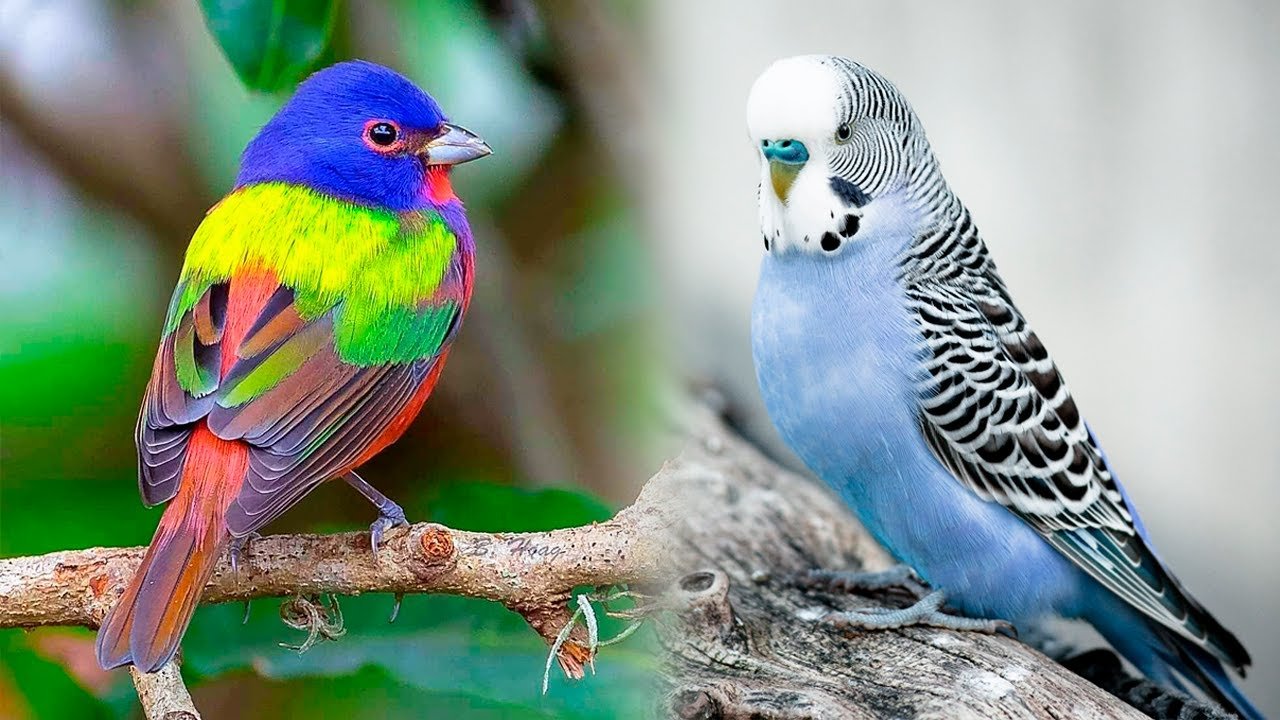
Birds have a unique charm that captivates pet lovers worldwide. Their vibrant colors, playful antics, and ability to mimic sounds make them delightful companions. Whether you’re a first-time bird owner or a seasoned avian enthusiast, choosing the right pet bird can bring joy to your home. This article dives into the top 10 most popular pet birds in the world, offering insights into their personalities, care needs, and why they’re so beloved. Drawing from expert sources and personal anecdotes, we’ll explore what makes these feathered friends special and how to pick the perfect one for you.
Why Choose a Pet Bird?
Pet birds offer companionship without the high-maintenance demands of dogs or cats. They’re ideal for small spaces like apartments and can be surprisingly interactive. Many species are intelligent, forming strong bonds with their owners, and some even learn to talk or whistle tunes. With lifespans ranging from 5 to over 50 years, birds can be lifelong friends when cared for properly.
Benefits of Owning a Pet Bird
Birds bring a unique energy to any household. Their low shedding makes them great for allergy sufferers, and their intelligence provides endless entertainment. However, they require specific care, like proper diets and mental stimulation, to thrive.
- Compact Size: Perfect for small living spaces.
- Social Interaction: Many birds bond closely with humans.
- Low Maintenance: Less demanding than larger pets in terms of space and exercise.
Challenges to Consider
Owning a bird isn’t all smooth sailing. Their vocalizations can be loud, and some species are messy. Proper care, including cage cleaning and socialization, demands time and commitment.
- Noise Levels: Some birds, like parrots, can be vocal.
- Messiness: Feathers and food scatter require regular cleanup.
- Lifespan Commitment: Long-living birds need dedicated care for decades.
1. Parakeet (Budgerigar)
Parakeets, or budgies, top the list as the world’s most popular pet birds. These small parrots from Australia are known for their vibrant colors—blue, green, yellow—and playful personalities. Their affordability and low-maintenance needs make them a favorite for beginners.
Why Parakeets Are So Popular
Parakeets are friendly, easy to train, and can learn to mimic words or perform tricks. Their small size (about 7 inches) means they don’t need massive cages, and their cheerful chirping adds life to any room. I once had a budgie named Sunny who’d whistle the tune of “Happy Birthday” every morning—talk about a wake-up call!
Care Tips for Parakeets
A cage at least 24” x 18” x 18” lined with newspaper, plus perches and toys, keeps parakeets happy. Feed them pelleted bird food, fresh fruits, and clean water daily. Regular socialization prevents boredom and ensures a well-adjusted bird.
- Lifespan: 5–10 years
- Noise Level: Low to moderate
- Best For: Beginners and families
2. Cockatiel
Cockatiels, with their iconic yellow crests and orange cheek patches, are medium-sized parrots known for their affectionate nature. Native to Australia, they’re a close second to parakeets in popularity due to their charming personalities and whistling talents.
Cockatiel Charm
These birds are social butterflies, often bonding closely with their owners. Their crest reflects their mood—upright for excitement, flat for anger. My neighbor’s cockatiel, Charlie, would whistle the Andy Griffith theme song, much to everyone’s amusement.
Cockatiel Care Requirements
A 24” x 24” x 24” cage with multiple perches and feeding stations is ideal. Cockatiels need daily socialization, UV light exposure for vitamin D, and a diet of pellets, produce, and seeds. Watch for signs of bacterial infections or fatty liver disease.
- Lifespan: 10–20 years
- Noise Level: Moderate
- Best For: Families and first-time bird owners
3. Canary
Canaries, part of the finch family, are beloved for their operatic songs, especially from males. Originating from the Canary Islands, these small birds come in vibrant hues like yellow and orange, making them a visual and auditory delight.
Why Canaries Sing
Canaries are perfect for those who enjoy listening to birds rather than handling them. Their melodious songs can fill a room with joy, though they’re less interactive than parrots. I remember visiting a friend whose canary’s singing made every morning feel like a spring day.
Caring for Canaries
A spacious, horizontally oriented cage allows canaries to fly. Feed them pelleted food, minced produce, and occasional boiled eggs for calcium. Regular vet checkups help prevent respiratory or scaly mite issues.
- Lifespan: 5–10 years
- Noise Level: Low (singing)
- Best For: Those seeking low-interaction pets
4. Lovebird
Lovebirds, small parrots from Africa, are known for their bright colors and strong pair-bonding behavior. Despite their name, they don’t always need a mate to thrive, but they do require plenty of attention from their owners.
Lovebirds’ Lively Personality
These pint-sized parrots pack the intelligence and personality of larger species. They’re quiet enough for apartment living and can mimic sounds or learn phrases. A friend’s lovebird once mimicked her laugh so perfectly it startled guests!
Lovebird Care Needs
Lovebirds need a large cage and at least two hours of daily exercise. Their diet includes pellets, fruits, and vegetables. Without enough stimulation, they can become nippy, so provide toys and interaction.
- Lifespan: 10–20 years
- Noise Level: Low to moderate
- Best For: Owners with time for interaction
5. African Grey Parrot
African Grey Parrots are the Einsteins of the bird world, renowned for their intelligence and ability to mimic human speech with uncanny accuracy. These large parrots are a favorite among experienced bird owners.
Why African Greys Stand Out
Their vocabularies can exceed 1,000 words, and they display complex emotions. I once met an African Grey named Max who greeted me with, “Hello, want coffee?”—a phrase he’d picked up from his owner’s morning routine.
African Grey Care Challenges
These birds need spacious cages or aviaries and hours of daily interaction. Their diet includes pellets, produce, and occasional nuts. Their intelligence demands mental stimulation, or they may develop behavioral issues.
- Lifespan: 40–60 years
- Noise Level: Moderate to high
- Best For: Experienced owners
6. Finch
Finches, including zebra and society finches, are small, social birds that thrive in pairs or groups. Their charming demeanor and minimal interaction needs make them popular for bird enthusiasts who prefer observing over handling.
Finch Appeal
Finches are low-maintenance and perfect for those who enjoy watching birds build nests and chirp happily. Their small size and mellow nature make them ideal for quiet households. I’ve seen finch cages become tiny ecosystems with their constant activity.
Finch Care Basics
A large, horizontal cage with perches and nesting materials suits finches. Feed them finch-specific pellets, minced produce, and occasional egg shells for calcium. Avoid overcrowding to prevent health issues like mites.
- Lifespan: 5–10 years
- Noise Level: Low
- Best For: Low-interaction owners
7. Cockatoo
Cockatoos are large, charismatic parrots known for their striking crests and affectionate personalities. Native to Australia and Southeast Asia, they’re a favorite for those seeking a cuddly companion.
Cockatoo Charisma
These birds love attention and can form deep bonds with their owners. Their playful antics, like dancing to music, are endlessly entertaining. A local pet store’s cockatoo once “sang” along to a radio jingle, stealing the show.
Cockatoo Care Demands
Cockatoos need large cages (at least 36” x 36” x 48”) and hours of daily interaction. Their diet includes pellets, vegetables, and limited seeds. They’re prone to feather-plucking if bored, so provide plenty of toys.
- Lifespan: 40–70 years
- Noise Level: High
- Best For: Experienced owners with time
8. Conure
Conures are small to medium parrots with vibrant colors and big personalities. Native to South America, they’re known for their playful, clownish behavior and moderate vocalizations.
Why Conures Shine
Conures are energetic and love to play, often snuggling with their owners. Their ability to learn tricks makes them a hit with families. I once saw a conure at a pet expo do a backflip for a treat—pure joy!
Conure Care Tips
A cage at least 24” x 24” x 24” with toys and perches keeps conures happy. Feed them pellets, fruits, and veggies, and ensure daily playtime. They can be noisy, so they’re best for noise-tolerant households.
- Lifespan: 20–30 years
- Noise Level: Moderate to high
- Best For: Active households
9. Macaw
Macaws are the giants of the parrot world, known for their stunning colors and bold personalities. These South American natives are a favorite for their beauty and intelligence, though they’re not for everyone.
Macaw Majesty
Macaws are like living rainbows, with feathers in red, blue, and green. Their intelligence allows them to learn words and tricks, but they demand attention. A macaw at a zoo once mimicked a visitor’s sneeze, sparking laughter all around.
Macaw Care Requirements
Macaws need massive cages (at least 48” x 36” x 60”) and a varied diet of pellets, nuts, and produce. Their loud calls and long lifespan make them best for dedicated owners with space.
- Lifespan: 50–80 years
- Noise Level: Very high
- Best For: Experienced owners with large spaces
10. Parrotlet
Parrotlets are tiny parrots with big attitudes. Native to Central and South America, these pint-sized birds are gaining popularity for their playful nature and compact size.
Parrotlet Personality
Despite their small size (about 5 inches), parrotlets are bold and can learn to mimic sounds. They’re perfect for those wanting a parrot-like experience without the space demands. A friend’s parrotlet once “scolded” her cat with a sharp chirp!
Parrotlet Care Essentials
A cage at least 18” x 18” x 18” with toys and perches suits parrotlets. Feed them pellets, small amounts of fruit, and clean water daily. Regular handling prevents nippiness.
- Lifespan: 15–20 years
- Noise Level: Low to moderate
- Best For: Small-space dwellers
Comparison of Top Pet Birds
| Bird | Lifespan | Noise Level | Care Level | Best For |
|---|---|---|---|---|
| Parakeet | 5–10 years | Low–Moderate | Easy | Beginners, families |
| Cockatiel | 10–20 years | Moderate | Easy | Families, first-time owners |
| Canary | 5–10 years | Low (singing) | Easy | Low-interaction owners |
| Lovebird | 10–20 years | Low–Moderate | Moderate | Interactive owners |
| African Grey | 40–60 years | Moderate–High | High | Experienced owners |
| Finch | 5–10 years | Low | Easy | Low-interaction observers |
| Cockatoo | 40–70 years | High | High | Experienced, attentive owners |
| Conure | 20–30 years | Moderate–High | Moderate | Active households |
| Macaw | 50–80 years | Very High | High | Experienced, spacious homes |
| Parrotlet | 15–20 years | Low–Moderate | Moderate | Small-space dwellers |
Pros and Cons of Owning Popular Pet Birds
Pros:
- Vibrant colors and personalities add life to homes.
- Many species are trainable and interactive.
- Suitable for various living situations, from apartments to large homes.
Cons:
- Long lifespans require lifelong commitment.
- Some species are noisy or messy.
- High-maintenance birds need significant time and resources.
People Also Ask (PAA)
What is the easiest pet bird to care for?
Parakeets and finches are among the easiest due to their small size, simple diets, and minimal space needs. They require basic care like clean cages, pelleted food, and occasional interaction.
Which pet bird is best for beginners?
Parakeets and cockatiels are ideal for beginners. Their friendly nature, low-maintenance care, and adaptability make them forgiving for new owners learning the ropes.
Where can I buy a pet bird?
Reputable breeders, local pet stores, or bird rescues are great places to start. Organizations like the American Federation of Aviculture can connect you with trusted sources. Always research the seller’s reputation.
What tools do I need for pet bird care?
Essential tools include a spacious cage, perches, food and water dishes, toys, and a bird-safe cleaning solution. A UV lamp for vitamin D and a high-quality pelleted food brand like Harrison’s Bird Foods are recommended.
FAQ
Are pet birds noisy?
Noise levels vary by species. Canaries and finches are quiet, while macaws and cockatoos can be loud. Researching a bird’s vocal tendencies helps match them to your lifestyle.
How much does it cost to own a pet bird?
Initial costs (cage, bird, supplies) range from $100–$1,000, depending on the species. Annual expenses, including food and vet care, typically run $200–$500.
Can pet birds live alone?
Some birds, like lovebirds and finches, thrive in pairs, while others, like parakeets, can do well alone with enough human interaction. Always research species-specific social needs.
How do I know if a bird is right for me?
Consider your lifestyle, space, and time commitment. Low-maintenance birds like canaries suit busy owners, while interactive species like African Greys need dedicated attention.
Do pet birds need vet care?
Yes, annual checkups with an avian vet prevent and treat issues like mites or respiratory problems. Regular care ensures a long, healthy life for your bird.
Where to Get Your Pet Bird
Adopting from a bird rescue, like those listed by the Avian Welfare Coalition, ensures you’re giving a bird a second chance. Reputable breeders or pet stores are also options, but verify their credentials. Avoid impulse buys from unregulated sources to ensure healthy, ethically sourced birds.
Best Tools for Bird Care
Invest in a sturdy cage, like those from Prevue Pet Products, and stock up on toys, perches, and pelleted food. A digital scale to monitor weight and a first-aid kit for emergencies are must-haves. Avian-specific cleaning products keep the environment safe and hygienic.
Conclusion
Pet birds bring color, song, and personality to any home, from the chatty parakeet to the intelligent African Grey. Each species offers unique joys and challenges, so matching their needs to your lifestyle is key. Whether you’re drawn to the low-maintenance charm of a finch or the cuddly nature of a cockatoo, these feathered friends can enrich your life for years. Ready to welcome a bird into your flock? Research, prepare, and enjoy the journey of avian companionship!