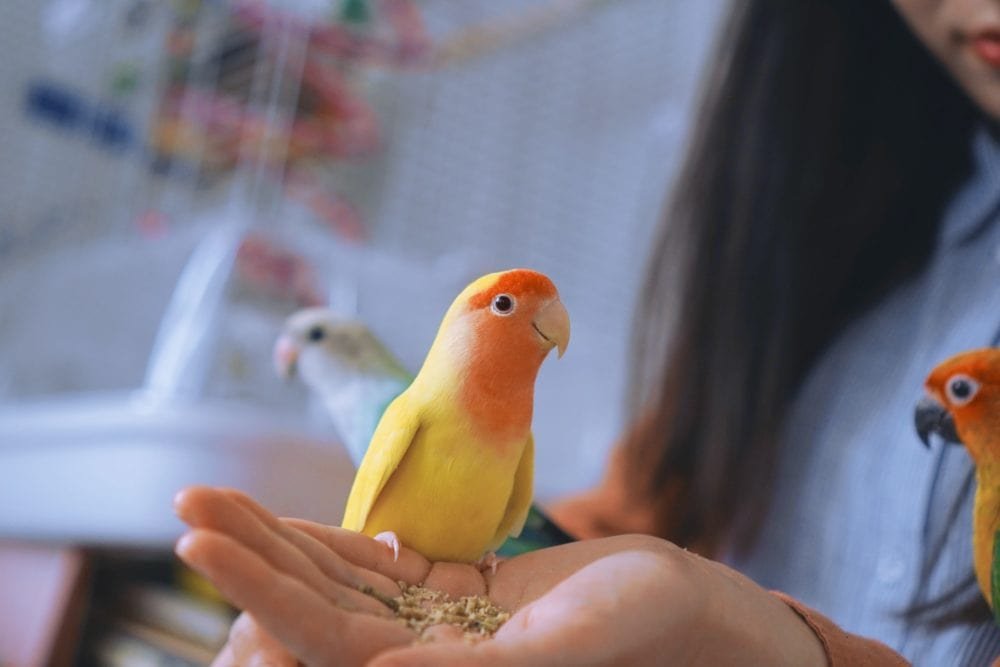
Why Pet Birds Are a Joy to Own
Pet birds bring a splash of color, song, and personality into our homes. From their vibrant feathers to their charming behaviors, they’re more than just pets—they’re companions that teach us patience and wonder. As someone who’s spent years marveling at their quirks (like my parakeet’s obsession with stealing my pen caps), I’m excited to dive into the world of the eight most popular pet birds. This guide will help you understand why these feathered friends are so beloved, what makes them unique, and how to choose the perfect one for your lifestyle.
What Makes a Bird a Popular Pet?
Popularity in pet birds often comes down to temperament, ease of care, and that special spark they bring to a household. Whether it’s a bird’s ability to mimic human speech or its low-maintenance care, these traits make certain species stand out. Let’s explore the top eight pet birds, their unique qualities, and why they’ve captured the hearts of bird lovers worldwide.
Parakeets (Budgerigars): The Playful Charmers
Parakeets, or budgies, are small, colorful birds known for their social nature and affordability. Native to Australia, these little dynamos are perfect for beginners due to their easy care and lively personalities. My first budgie, Blue, would chirp along to my morning playlist, making every day feel like a mini concert.
- Size: 7 inches long
- Lifespan: 5–10 years
- Care Level: Easy
- Personality: Playful, social, can learn to mimic words
Cockatiels: The Whistling Wonders
Cockatiels are the rockstars of the pet bird world, with their iconic crests and knack for whistling tunes. Hailing from Australia, they’re gentle and love human interaction, often bonding deeply with their owners. I once knew a cockatiel named Sunny who’d whistle “Happy Birthday” on cue—talk about a party trick!
- Size: 12–14 inches
- Lifespan: 15–20 years
- Care Level: Moderate
- Personality: Affectionate, vocal, loves to whistle
Lovebirds: The Romantic Companions
Lovebirds live up to their name with their strong pair-bonding tendencies, often seen cuddling with their mate or human. These small parrots from Africa are vibrant and energetic, but they need plenty of attention to stay happy. Watching my friend’s lovebird duo preen each other was like witnessing a tiny soap opera.
- Size: 5–6 inches
- Lifespan: 10–15 years
- Care Level: Moderate
- Personality: Affectionate, social, can be nippy if not trained
Canaries: The Melodic Singers
Canaries are the crooners of the bird world, famous for their beautiful songs. Originating from the Canary Islands, they’re low-maintenance and perfect for those who want a pet that’s more about observation than interaction. My neighbor’s canary, Goldie, would serenade us every sunrise, turning mornings into a symphony.
- Size: 5–8 inches
- Lifespan: 10–15 years
- Care Level: Easy
- Personality: Shy, independent, excellent singers (especially males)
African Grey Parrots: The Genius Talkers
African Greys are the Einsteins of pet birds, renowned for their intelligence and ability to mimic human speech with uncanny accuracy. Native to Africa, they require dedicated owners due to their complex needs. I once met an African Grey named Einstein who could recite entire movie lines—talk about a feathered actor!
- Size: 13 inches
- Lifespan: 40–60 years
- Care Level: Advanced
- Personality: Intelligent, sensitive, highly social
Cockatoos: The Cuddly Showoffs
Cockatoos are the divas of the bird world, with their dramatic crests and affectionate nature. Native to Australia and Southeast Asia, they crave attention and can be noisy, but their cuddly side wins hearts. My cousin’s cockatoo, Snowball, would dance to pop music, stealing the show at every family gathering.
- Size: 12–24 inches
- Lifespan: 20–40 years
- Care Level: Advanced
- Personality: Affectionate, loud, loves attention
Finches: The Tiny Entertainers
Finches, like zebra or society finches, are small, active birds that thrive in pairs or groups. Native to various regions, they’re low-maintenance and perfect for those who enjoy watching lively flocks. My friend’s finch aviary was like a bustling little village, with constant chirping and flitting about.
- Size: 4–5 inches
- Lifespan: 5–10 years
- Care Level: Easy
- Personality: Social, active, best in groups
Conures: The Colorful Clowns
Conures, from Central and South America, are vibrant parrots known for their playful antics and moderate vocalization. They’re great for owners who want a lively companion without the intensity of larger parrots. I once saw a conure named Mango perform a backflip for a treat—pure comedy gold!
- Size: 10–12 inches
- Lifespan: 20–30 years
- Care Level: Moderate
- Personality: Playful, vocal, loves to explore
Comparison of the Top 8 Pet Birds
| Bird | Size | Lifespan | Care Level | Noise Level | Best For |
|---|---|---|---|---|---|
| Parakeet | 7 inches | 5–10 years | Easy | Low | Beginners, small spaces |
| Cockatiel | 12–14 inches | 15–20 years | Moderate | Moderate | Families, interactive owners |
| Lovebird | 5–6 inches | 10–15 years | Moderate | Moderate | Attentive owners |
| Canary | 5–8 inches | 10–15 years | Easy | Low | Observation, calm homes |
| African Grey | 13 inches | 40–60 years | Advanced | Moderate | Experienced, dedicated owners |
| Cockatoo | 12–24 inches | 20–40 years | Advanced | High | Attention-giving owners |
| Finch | 4–5 inches | 5–10 years | Easy | Low | Group housing, low interaction |
| Conure | 10–12 inches | 20–30 years | Moderate | Moderate | Active, playful owners |
Which Bird Suits Your Lifestyle?
Choosing the right bird depends on your time, space, and commitment level. Beginners might lean toward parakeets or finches for their simplicity, while experienced owners might embrace the challenge of an African Grey. Consider your daily routine—do you want a bird that demands cuddles like a cockatoo, or one that sings independently like a canary?
Pros and Cons of Owning Each Bird
Parakeets
- Pros: Affordable, easy to care for, small size, can learn words
- Cons: Can be noisy, need social interaction to avoid boredom
Cockatiels
- Pros: Friendly, long lifespan, great whistlers
- Cons: Dusty feathers, require regular interaction
Lovebirds
- Pros: Affectionate, colorful, compact size
- Cons: Can be nippy, need lots of attention
Canaries
- Pros: Beautiful singers, low-maintenance, small size
- Cons: Shy, less interactive, males sing more than females
African Greys
- Pros: Highly intelligent, excellent talkers, loyal companions
- Cons: High maintenance, sensitive to neglect, long-term commitment
Cockatoos
- Pros: Cuddly, entertaining, visually striking
- Cons: Very loud, prone to behavioral issues if ignored
Finches
- Pros: Low-maintenance, thrive in groups, quiet
- Cons: Not hands-on, need space for multiple birds
Conures
- Pros: Playful, colorful, moderately sized
- Cons: Can be noisy, require active engagement
Where to Get Your Pet Bird
Reputable Breeders
Buying from a breeder ensures you get a healthy, well-socialized bird. Look for breeders with strong reviews and ethical practices, like those certified by the American Federation of Aviculture. My first parakeet came from a local breeder who let me meet the parents—talk about a bird family reunion!
Rescue Organizations
Adopting from a rescue, like Parrot Haven, gives birds a second chance. Many rescues have birds like cockatoos or African Greys that need loving homes. I’ve seen adopted lovebirds thrive with a bit of patience and care.
Pet Stores
Chain stores like Petco or local shops often carry parakeets, cockatiels, and finches. Always check the bird’s health and the store’s sourcing practices. A healthy bird should have bright eyes, clean feathers, and an active demeanor.
Best Tools and Supplies for Bird Owners
Cages
- Parakeets/Finches: Minimum 18x18x18 inches, with bar spacing no wider than ½ inch.
- Cockatiels/Conures: At least 24x24x24 inches for room to move.
- African Greys/Cockatoos: Large cages (36x24x48 inches) to accommodate their size and activity.
Toys
Birds need mental stimulation. Rotating toys like bells, mirrors, or chewable wood keeps them engaged. My cockatiel went wild for a simple rope swing—it was his personal amusement park.
Food
- Pellets: High-quality brands like Harrison’s or Zupreem for balanced nutrition.
- Seeds: A treat, not a staple, to avoid obesity.
- Fresh Foods: Veggies like kale or fruits like apples (no seeds!) add variety.
Perches
Natural wood perches of varying diameters promote foot health. I learned the hard way that a single perch size can cause sores—variety is key!
Caring for Your Pet Bird: Tips for Success
Daily Maintenance
Birds need fresh water, food, and a clean cage daily. A quick wipe-down prevents bacteria buildup. I set a morning routine to refresh my budgie’s setup, making it a calming start to my day.
Social Interaction
Most birds, like parakeets and cockatoos, thrive on interaction. Spend at least an hour daily talking, playing, or training. My African Grey friend, Charlie, would sulk if I skipped our evening chats!
Health Monitoring
Watch for signs like lethargy, feather plucking, or appetite changes. Annual vet visits to an avian specialist, like those listed at AAV.org, keep your bird in top shape.
Training Tips
Positive reinforcement works wonders. Use treats to teach tricks like stepping up or mimicking sounds. Patience is key—my lovebird took weeks to master “wave,” but the victory was sweet.
People Also Ask (PAA) Section
What is the friendliest pet bird?
Cockatiels and parakeets are among the friendliest, thanks to their social and gentle natures. They bond well with humans and enjoy interaction, making them ideal for families or first-time owners.
Which pet bird is easiest to care for?
Finches and canaries are the easiest to care for due to their low-maintenance needs. They don’t require much handling and thrive in a clean cage with quality food and water.
Can pet birds learn to talk?
Yes, African Greys and parakeets are excellent talkers, with Greys being the most proficient. Cockatiels can mimic words to a lesser extent, while others like finches and canaries focus more on singing.
How much does it cost to own a pet bird?
Costs vary: parakeets may run $20–$50, while African Greys can cost $1,000+. Annual expenses (food, toys, vet visits) range from $200–$500, depending on the species.
Are pet birds noisy?
Noise levels depend on the bird. Cockatoos and conures can be loud, while finches and canaries are quieter. Parakeets and cockatiels fall in the middle, with occasional chirping or whistling.
FAQ Section
What’s the best bird for a beginner?
Parakeets and finches are ideal for beginners due to their easy care and forgiving nature. They need basic supplies and minimal handling, perfect for learning the ropes.
How long do pet birds live?
Lifespans vary: parakeets and finches live 5–10 years, cockatiels and lovebirds 10–20 years, conures 20–30 years, and African Greys or cockatoos 20–60 years with proper care.
Do pet birds need a companion?
Social birds like lovebirds and finches thrive with a companion, while canaries are content alone. Parakeets and cockatiels can bond with humans but may enjoy a bird friend.
What’s the most affordable pet bird?
Parakeets and finches are the most affordable, with low initial costs ($20–$50) and minimal upkeep. Their small size means less expensive cages and food.
How do I know if a bird is right for me?
Assess your time, budget, and space. If you want low-maintenance, choose finches or canaries. For interaction, parakeets or cockatiels are great. Research and visit breeders to meet birds first.
Why These Birds Shine: A Personal Reflection
Owning a pet bird is like inviting a tiny, feathered friend into your life. Each species has its quirks—parakeets with their chatter, cockatiels with their tunes, or African Greys with their wit. I remember the first time my budgie, Blue, mimicked my laugh; it was a reminder of how these creatures bring joy in unexpected ways. Whether you’re drawn to the low-key charm of a canary or the cuddly chaos of a cockatoo, there’s a bird out there for you. Take the time to research, visit rescues, and choose a companion that fits your life. You won’t just gain a pet—you’ll gain a story, a song, and a whole lot of heart.