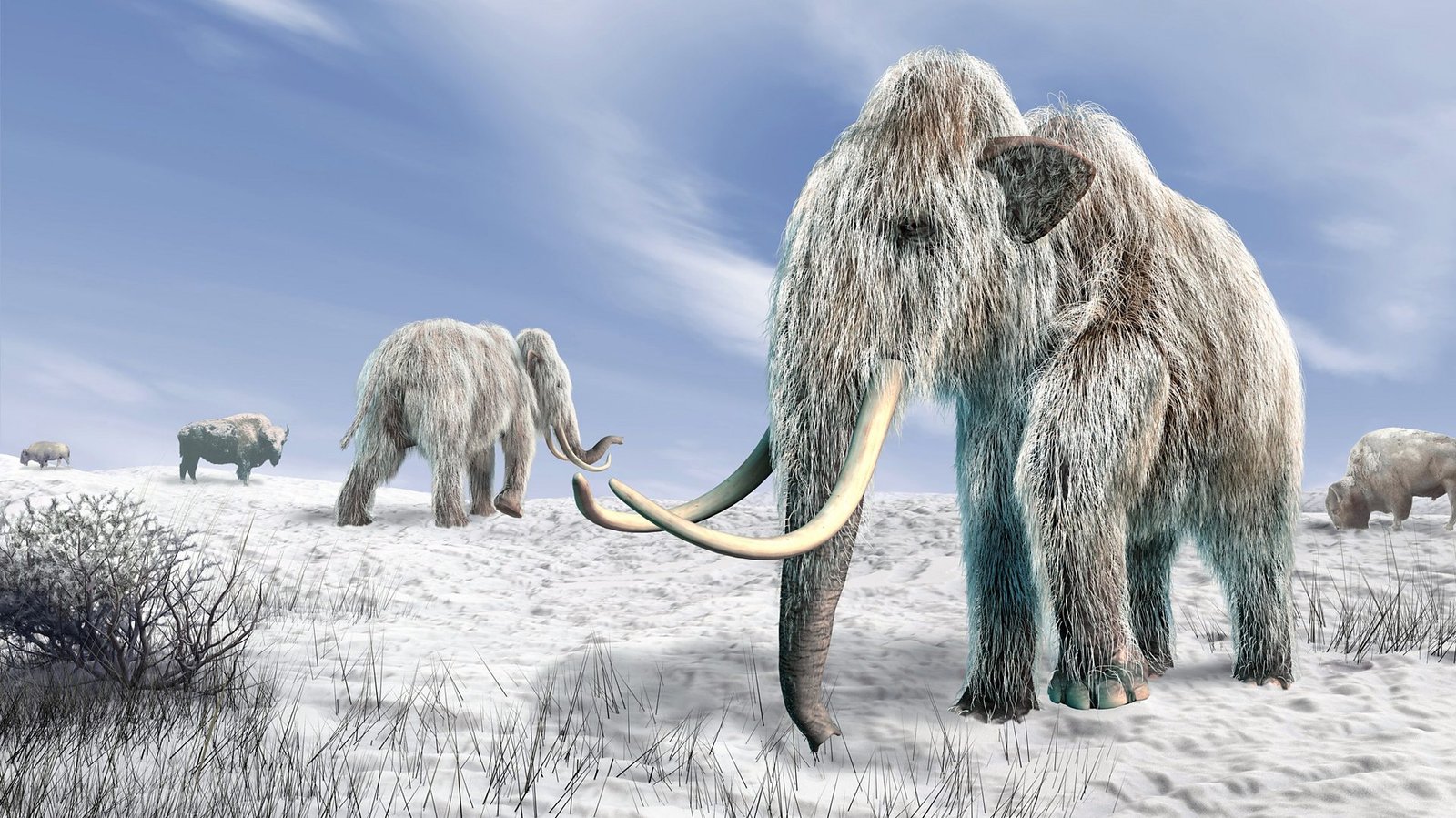
I remember sitting in my grandfather’s den as a kid, flipping through old National Geographic magazines filled with stories of lost worlds and vanished creatures. The woolly mammoth always caught my eye—those massive tusks curving like ancient scimitars, roaming icy tundras that felt worlds away from my suburban backyard. Back then, extinction seemed final, like a door slammed shut forever. But fast-forward to today, and science is prying that door open with tools straight out of science fiction. De-extinction, the process of reviving extinct species, isn’t just a dream anymore; it’s happening in labs around the world. In this article, we’ll dive deep into how it works, the breakthroughs shaking up conservation, and why it sparks both excitement and debate. Whether you’re a nature lover or a skeptic, understanding de-extinction could change how you see our planet’s fragile history.
What is De-Extinction?
De-extinction refers to the scientific effort to revive species that have vanished from Earth, using advanced biotech to recreate their genetic blueprints and bring them back into existence. It’s not about cloning dinosaurs—sorry, Jurassic Park fans—but focusing on animals extinct in the last few thousand years, where DNA remnants are still viable. This field blends genetics, ecology, and ethics, aiming to restore biodiversity lost to human actions like hunting or habitat destruction. Picture it as hitting rewind on evolution, but with a modern twist that could heal ecosystems we’ve damaged.
Cloning: The Original Revival Technique
Cloning involves extracting DNA from preserved remains, like frozen tissue or museum specimens, and inserting it into an egg from a closely related living species. The egg is then implanted into a surrogate mother to develop. This method made headlines in 2003 when scientists briefly revived the Pyrenean ibex, though the clone survived only minutes due to lung defects. It’s a high-stakes gamble, often failing because ancient DNA degrades over time, but it paved the way for more refined approaches.
Genetic Engineering: CRISPR’s Cutting-Edge Role
Genetic engineering uses tools like CRISPR-Cas9 to edit the DNA of a living relative, swapping in genes from the extinct species to create a hybrid. For instance, scientists splice mammoth traits—like cold-resistant fur—into Asian elephant cells. This isn’t full resurrection but a proxy that looks and acts like the original, offering flexibility where cloning falls short.
Selective Breeding: Back-Breeding for Lost Traits
Back-breeding selectively mates living animals with traits resembling the extinct species, gradually amplifying those features over generations. Projects like reviving the quagga, a zebra subspecies, use plains zebras to breed stripe patterns back in. It’s low-tech compared to gene editing but effective for species with close relatives, relying on nature’s own variability.
Historical Attempts and Milestones
The idea of de-extinction isn’t new; early 20th-century breeders like the Heck brothers tried reviving aurochs through cattle crosses, creating look-alikes that roam Europe today. But modern biotech kicked things off in the 2000s with cloning trials, evolving into today’s gene-editing feats. These efforts highlight humanity’s growing power over life, from failed ibex clones to promising mammoth hybrids, showing progress amid setbacks.
- 2003: Pyrenean Ibex Cloning – The first de-extinct animal, though short-lived, proved revival possible.
- 2013: TEDx De-Extinction Event – Sparked global debate on ethics and feasibility.
- 2021: Colossal Biosciences Launch – Focused on mammoths, raising millions for CRISPR work.
- 2023: Passenger Pigeon Genome Mapping – A step toward reviving this once-abundant bird.
Current Projects in 2025
As of 2025, de-extinction is buzzing with activity, led by companies like Colossal Biosciences and nonprofits like Revive & Restore. These initiatives target keystone species—animals vital to ecosystems—using CRISPR and stem cells. Progress is rapid, with hybrid embryos already created, though full reintroductions remain years away.
Woolly Mammoth Revival
Colossal aims to birth mammoth-elephant hybrids by 2028, editing elephant cells for traits like thick fur and fat layers to combat Arctic warming. The goal? Restore tundra grasslands by having these giants trample snow, exposing carbon-trapping soil.
Thylacine (Tasmanian Tiger) Project
In Australia, scientists edit fat-tailed dunnart cells with over 300 thylacine genes, creating proxies to fill ecological gaps left by this marsupial predator. It’s a race against biodiversity loss in Tasmanian forests.
Dodo De-Extinction Efforts
Reviving the flightless dodo involves pigeon relatives as surrogates, focusing on Mauritius ecosystems where invasive species wiped them out. Humor aside—bringing back the “dumb” bird could teach us about island fragility.
Passenger Pigeon Comeback
Revive & Restore plans captive breeding by 2029, using band-tailed pigeons to hatch hybrids that could reseed eastern U.S. forests. Imagine flocks darkening skies again, a poetic reversal of our past mistakes.
The Science Behind Reviving Extinct Species
At its core, de-extinction hinges on recovering viable DNA from fossils or specimens, then rebuilding genomes using AI and sequencing tech. Cold preservation, like Siberian permafrost, yields the best samples, allowing scientists to patch gaps with related species’ genes. It’s meticulous work, blending paleontology with modern biotech for ecosystem restoration.
| Method | Pros | Cons | Examples |
|---|---|---|---|
| Cloning | Exact genetic match possible | High failure rate, DNA degradation | Pyrenean ibex |
| CRISPR Editing | Precise trait insertion, adaptable | Creates hybrids, not pure species | Woolly mammoth hybrids |
| Back-Breeding | No lab needed, natural process | Time-consuming, less precise | Quagga project |
Comparing De-Extinction to Conservation
De-extinction complements traditional conservation by boosting genetic diversity in endangered species, like adding ancient genes to elephants for disease resistance. While saving living animals is priority, revival tech could prevent future losses.
Pros and Cons of De-Extinction
Weighing de-extinction’s benefits against risks reveals a double-edged sword: it could enrich biodiversity but might divert funds from urgent needs. As someone who’s hiked through depleted forests, I feel the emotional pull—restoring what we’ve lost feels like atonement.
Pros
- Ecosystem Restoration: Revived species like mammoths could regenerate habitats, reducing carbon emissions.
- Biodiversity Boost: Increases genetic variety, helping related endangered animals.
- Scientific Advances: Yields medical breakthroughs, like infertility treatments from frog studies.
- Inspirational Value: Sparks public interest in conservation, funding zoos and research.
Cons
- Resource Diversion: Funds might neglect living species on the brink.
- Ecological Risks: Hybrids could disrupt modern food chains or spread diseases.
- Ethical Dilemmas: Animal welfare issues in surrogates and clones.
- False Hope: Overemphasis on tech ignores root causes like habitat loss.
Ethical Considerations in Bringing Back Extinct Animals
Ethics loom large: is playing god with life hubris or responsibility? I’ve pondered this while watching endangered rhinos in Africa, feeling our duty to fix what we’ve broken. Debates center on animal suffering, ecosystem impacts, and whether revival undoes true extinction.
- Welfare concerns for surrogates and clones.
- Potential for invasive hybrids.
- Moral obligation to rectify human-caused extinctions.
- Risk of devaluing current conservation efforts.
People Also Ask
Drawing from common Google queries on de-extinction, here are real questions people search for, with concise answers to satisfy curiosity.
- Can we really bring back extinct animals? Yes, through hybrids or proxies, but not identical replicas—think mammoth-like elephants.
- What animals are being de-extincted? Top candidates include woolly mammoths, thylacines, dodos, and passenger pigeons.
- Is de-extinction ethical? It’s debated; benefits like ecosystem repair clash with risks to living species.
- How does de-extinction work? Via cloning, CRISPR editing, or back-breeding to recreate traits.
Where to Get More Information on De-Extinction
For deeper dives, check Revive & Restore’s website (reviverestore.org) or Colossal Biosciences (colossal.com) for project updates. Museums like the Natural History Museum in London offer exhibits on extinct species—plan a visit for hands-on learning.
Best Tools for Exploring De-Extinction
CRISPR kits for education, like those from The Odin (the-odin.com), let hobbyists experiment safely, while professional labs use Illumina sequencers for DNA mapping. For at-home interest, apps like iNaturalist track biodiversity, inspiring support for revival efforts.
FAQ
What is the most promising de-extinction project right now?
The woolly mammoth hybrid by Colossal Biosciences leads the pack, with stem cell breakthroughs in 2025 pointing to births by 2028.
Are there any successfully de-extincted animals?
The Pyrenean ibex was cloned in 2003 but died shortly after; current efforts focus on viable proxies rather than full revivals.
How much does de-extinction cost?
Projects like Colossal’s have raised over $200 million, but costs vary—cloning runs millions per attempt due to lab tech and surrogates.
Could de-extinction help climate change?
Yes, mammoths could restore Arctic grasslands, trapping carbon and slowing permafrost melt—a natural geoengineering win.
Is de-extinction legal?
It falls under wildlife laws; organizations like IUCN provide guidelines, but no global bans exist yet.
De-extinction stirs the soul—it’s our chance to mend the tapestry of life we’ve torn. From my own reflections on nature’s fragility, I see hope in these efforts, tempered by caution. As we push boundaries, let’s ensure revival serves the planet, not just our curiosity. The future might hold mammoths roaming again, a reminder that extinction isn’t always forever.