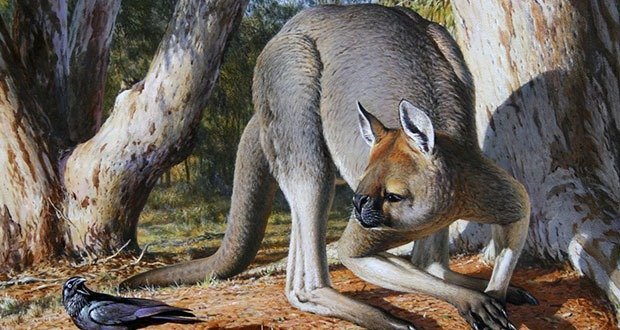
Imagine stepping back in time, say 50,000 years ago, wandering through a vast Australian landscape that’s both familiar and utterly alien. Towering eucalyptus trees dot the horizon, but the ground shakes under the weight of creatures that make today’s kangaroos look like pint-sized pets. I remember visiting the Naracoorte Caves as a kid, staring at those massive fossil bones, and feeling a chill—realizing our continent was once home to true giants. These prehistoric behemoths, known as megafauna, roamed Australia during the Pleistocene epoch, shaping ecosystems in ways we can barely fathom today. In this article, we’ll dive deep into ten of these incredible animals, exploring their lives, why they vanished, and how you can connect with their legacy right now.
What Are Prehistoric Giants?
Prehistoric giants, or megafauna, refer to the oversized animals that dominated Australia from about 2.5 million years ago until around 40,000 years back. Think beasts weighing over 100 kilograms, from massive marsupials to reptiles that could swallow you whole. They evolved in isolation after Australia drifted away from other continents, leading to unique adaptations like pouches for young or enormous claws for digging. What fascinates me is how these creatures mirror modern Aussie wildlife but on steroids—imagine a wombat the size of a rhino lumbering across the outback.
The Mystery of Their Extinction
The disappearance of Australia’s megafauna remains a hot debate, with scientists pointing fingers at climate shifts and human arrival. Around 50,000 years ago, as the last Ice Age waned, drier conditions turned lush habitats into arid zones, stressing these giants’ food sources. Yet, evidence from sites like Cuddie Springs suggests Indigenous peoples’ hunting and fire practices might have tipped the scale. It’s like a prehistoric whodunit—did the weather change seal their fate, or were we the unexpected plot twist?
1. Diprotodon: The Hippo-Sized Wombat
Picture a wombat bloated to the size of a small SUV—that’s Diprotodon, the largest marsupial ever to exist. Weighing up to three tons and stretching over three meters long, it grazed on vegetation across open plains and forests. Fossils show it lived in herds, much like elephants today, and its extinction left a void in the ecosystem that no modern animal has filled.
- Size Comparison: Roughly twice the length of a modern wombat but 100 times heavier.
- Habitat: Preferred wetter areas but adapted to various climates.
- Fun Fact: Its name means “two forward teeth,” highlighting its rodent-like incisors.
Myths vs. Facts About Diprotodon
Many early European settlers mistook its bones for those of biblical giants, sparking wild tales. In reality, it was a gentle herbivore, not a man-eater.
2. Thylacoleo Carnifex: The Marsupial Lion
Thylacoleo, often called the marsupial lion, was a predator that could drop from trees onto unsuspecting prey with its razor-sharp claws. About the size of a modern leopard but stockier, it hunted in woodlands, using bolt-cutter-like teeth to dispatch victims. I once held a replica skull at the Australian Museum—those jaws could crush bone like it was nothing.
- Hunting Style: Ambush predator, similar to a big cat but with a pouch.
- Weight: Around 100-130 kilograms.
- Discovery Story: First found in caves, leading to theories of it being a tree-climber.
Comparing Thylacoleo to Modern Predators
| Feature | Thylacoleo Carnifex | Modern Lion |
|---|---|---|
| Size | 1.5m long | 2.5m long |
| Diet | Carnivorous | Carnivorous |
| Habitat | Forests/Caves | Savannas |
| Unique Trait | Shearing teeth | Mane (males) |
3. Procoptodon Goliah: The Giant Kangaroo
Procoptodon stood over two meters tall on its hind legs, with a short face that gave it a almost comical, boxer-like appearance. This kangaroo hopped across grasslands, munching on leaves high up in trees thanks to its long arms. Thinking about it bounding away at speeds we’d struggle to match on foot always brings a smile—nature’s own high-jumper gone extinct.
- Height: Up to 3 meters when standing.
- Adaptations: Strong toes for leaping, flat teeth for grinding tough plants.
- Relatives: Closest to today’s red kangaroos, but supersized.
Pros and Cons of Being a Giant Kangaroo
Pros: Could reach food others couldn’t; intimidated smaller rivals. Cons: Needed massive energy intake; vulnerable to habitat loss.
4. Megalania: The Monster Lizard
Megalania, a colossal monitor lizard, slithered through ancient Australia like a dragon from folklore, growing up to seven meters long. It ambushed prey with venomous bites, ruling as the top predator in dry woodlands. I’ve seen casts of its vertebrae in museums, and it’s humbling— this thing could have taken down a Diprotodon if it wanted.
- Length: 5-7 meters.
- Venom: Likely toxic saliva, like modern Komodo dragons.
- Fossil Sites: Common in Queensland caves.
Megalania vs. Komodo Dragon
| Aspect | Megalania | Komodo Dragon |
|---|---|---|
| Era | Pleistocene | Modern |
| Size | Up to 7m | Up to 3m |
| Location | Australia | Indonesia |
| Diet | Large mammals | Deer, pigs |
5. Palorchestes Azael: The Marsupial Tapir
Palorchestes resembled a tapir with a trunk-like snout, foraging for soft plants in forests. Standing about two meters tall, it used powerful claws to pull down branches. Recent studies revealed its bizarre skull structure, which once puzzled scientists into thinking it was more bear-like—talk about a prehistoric identity crisis.
- Weight: Around 1,000 kilograms.
- Diet: Herbivorous, focusing on fruits and leaves.
- Extinction Clue: Disappeared amid drying climates.
Facts and Fiction Surrounding Palorchestes
Fact: Trunk for grasping food. Fiction: It wasn’t aquatic, despite early theories.
6. Zygomaturus Trilobus: The Swamp Giant
Zygomaturus waded through wetlands like a prehistoric hippo, its bulky frame supported by pillar-like legs. Related to wombats, it weighed over 500 kilograms and sported flared cheekbones for munching aquatic plants. Imagining it splashing in ancient billabongs adds a touch of whimsy to Australia’s wild past.
- Habitat Preference: Marshes and rivers.
- Physical Build: Quadrupedal with a robust skeleton.
- Related Species: Distant cousin to modern koalas.
Pros and Cons of Wetland Living
Pros: Abundant food; protection from predators. Cons: Prone to flooding; limited mobility on dry land.
7. Genyornis Newtoni: The Thunder Bird
Genyornis, a flightless bird towering at two meters, roamed lakesides, feeding on seeds and fruits with its massive beak. Eggs from this giant have been found charred, hinting at human interactions. It’s poignant to think how such a majestic creature vanished, leaving only fossil footprints as echoes.
- Height: Over 2 meters.
- Weight: Up to 250 kilograms.
- Beak Use: Crushing tough vegetation.
Genyornis Compared to Modern Birds
| Trait | Genyornis Newtoni | Ostrich |
|---|---|---|
| Flight | No | No |
| Speed | Moderate runner | Fastest bird |
| Diet | Plants | Omnivorous |
| Extinct | Yes | No |
8. Wonambi Naracoortensis: The Rainbow Serpent
Wonambi, a snake up to six meters long, coiled in caves and ambushed mammals with constricting power. Inspired Indigenous Dreamtime stories of rainbow serpents, it wasn’t venomous but deadly nonetheless. Holding a fossil vertebra feels like touching myth made real.
- Length: 5-6 meters.
- Hunting Method: Constriction.
- Cultural Impact: Linked to Aboriginal lore.
Myths vs. Reality for Wonambi
Myth: Controlled water in legends. Reality: Terrestrial hunter.
9. Quinkana: The Land Crocodile
Quinkana prowled on land with long legs, unlike today’s crocs, chasing down prey at speeds that would surprise you. Up to five meters long, it thrived in open areas before climates shifted. It’s a reminder that Australia has always bred tough survivors—or in this case, non-survivors.
- Leg Structure: Tall for running.
- Teeth: Blade-like for slicing.
- Fossil Locations: Northern Australia.
Quinkana vs. Saltwater Crocodile
| Feature | Quinkana | Saltwater Croc |
|---|---|---|
| Habitat | Terrestrial | Aquatic |
| Size | Up to 5m | Up to 6m |
| Movement | Running | Swimming |
| Extinct | Yes | No |
10. Meiolania: The Horned Turtle
Meiolania sported a spiked tail and horned head, like a armored tank on legs, growing to two meters across. It munched plants in forests, using its defenses against predators. Fossils from Lord Howe Island show how isolated evolution created oddballs like this.
- Shell Size: Over 2 meters.
- Defenses: Horns and clubbed tail.
- Diet: Herbivorous.
Pros and Cons of Heavy Armor
Pros: Protection from attacks. Cons: Slow movement; high energy cost.
People Also Ask
What Caused the Extinction of Australia’s Prehistoric Giants?
Debate rages between human overhunting and climate change. Studies from the University of Melbourne suggest environmental shifts like droughts played a big role, while others point to arrival of humans around 50,000 years ago accelerating the process through fire and predation. No single answer fits all, but it’s likely a combo punch.
Are Any Prehistoric Animals Still Alive in Australia?
Not the giants, but survivors like saltwater crocodiles and emus echo that era. These “living fossils” have changed little, thriving where megafauna couldn’t. For a laugh, next time you see a croc, remember its ancestors dined with dinosaurs.
What Was the Largest Prehistoric Animal in Australia?
Diprotodon takes the crown, weighing up to three tons. It dwarfed everything else, roaming in herds that must have been a sight. Fossils at sites like Lake Callabonna paint a picture of these behemoths dominating the landscape.
How Did Indigenous Australians Interact with Megafauna?
Evidence from rock art and oral histories suggests overlap, with humans possibly hunting them. Stories of bunyips might stem from encounters with Diprotodon—blending real history with legend in a way that enriches our understanding.
Where to See These Giants Today
If you’re itching to get up close, head to the Australian Museum in Sydney for stunning Diprotodon skeletons, or the Queensland Museum in Brisbane showcasing Megalania fossils. For a hands-on experience, Naracoorte Caves in South Australia offer guided tours through fossil-rich chambers where Wonambi bones were unearthed. Don’t miss the Eromanga Natural History Museum in outback Queensland—it’s like stepping into a time machine with massive displays.
Best Books and Resources for Diving Deeper
For the best reads, grab “Prehistoric Giants: The Megafauna of Australia” by Danielle Clode—it’s packed with illustrations and stories that bring these beasts to life. Another gem is “Prehistoric Australasia: Visions of Evolution and Extinction,” perfect for visualizing their world. If you’re buying online, check Amazon or your local bookstore; they’re transactional gold for any history buff. For more on our wildlife, explore our guide to modern Australian animals or visit the Smithsonian’s paleontology section for global context.
FAQ
Why Did So Many Prehistoric Giants Go Extinct in Australia?
Climate drying out habitats combined with human activities like hunting likely did them in. Fossils show a timeline matching these changes, but it’s not black-and-white—ongoing research keeps refining the story.
What Role Did Megafauna Play in Ancient Ecosystems?
They shaped landscapes by grazing, digging, and predating, maintaining balance. Without them, modern Australia has shifted, with some plants overgrowing due to lack of big herbivores.
Can We Bring Back These Prehistoric Giants Through Science?
De-extinction via DNA is sci-fi for now, but projects like those for the thylacine (not megafauna but related) spark hope. Ethical debates rage—would reviving a Diprotodon fit our world?
How Do We Know What These Animals Looked Like?
Fossils, including complete skeletons from sites like Riversleigh, plus modern relatives, help reconstruct them. Artists use this data for lifelike depictions, blending science with a dash of imagination.
Were There Prehistoric Giants in Other Parts of the World?
Absolutely—think woolly mammoths in Europe or ground sloths in America. Australia’s were unique due to isolation, making our megafauna story one of evolution’s quirkiest chapters.
Wrapping up, these ten giants remind us of Australia’s wild, untamed history—a place where the impossible felt everyday. Next time you’re in the bush, pause and wonder what echoes remain. If this sparked your curiosity, share your thoughts or plan a museum trip; it’s the best way to keep their memory alive