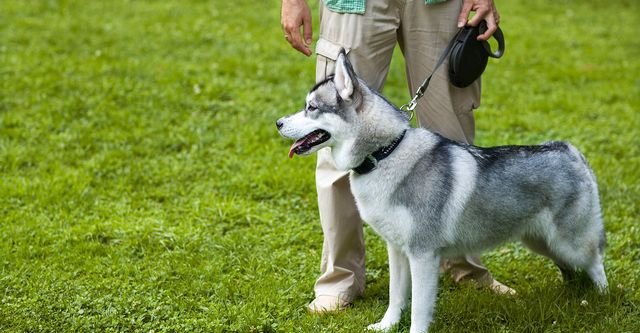
Why Dog Training Matters
Every dog owner dreams of a well-behaved companion who listens, doesn’t chew the furniture, and walks calmly on a leash. Professional dog training can turn that dream into reality, fostering a stronger bond between you and your furry friend. Whether you’re dealing with a rambunctious puppy or an older dog with quirks, a skilled trainer can make all the difference.
What to Look for in a Dog Trainer
Choosing the right dog trainer is like picking a teacher for your child—you want someone experienced, patient, and aligned with your values. Look for certifications like CPDT-KA (Certified Professional Dog Trainer-Knowledge Assessed) or KPA CTP (Karen Pryor Academy Certified Training Partner), which signal expertise in humane, science-based methods. Positive reinforcement should be their go-to approach, as it builds trust and encourages lasting behavior changes.
Certifications and Credentials
Certifications from organizations like the Certification Council for Professional Dog Trainers (CCPDT) or the Association of Professional Dog Trainers (APDT) indicate a trainer has met rigorous standards. These credentials ensure they understand canine behavior and use ethical methods. Always ask for proof of certification to verify their expertise.
Training Philosophy
A trainer’s philosophy shapes how they work with your dog. Positive reinforcement, using rewards like treats or praise, is widely regarded as the most effective and humane method. Avoid trainers who rely on dominance-based techniques or tools like shock collars, which can cause fear and aggression.
Experience with Your Dog’s Needs
Not all trainers specialize in every issue. Some focus on puppy training, others on aggression or agility. Ensure the trainer has experience addressing your dog’s specific challenges, whether it’s separation anxiety, leash pulling, or basic obedience.
The Benefits of Professional Dog Training
Investing in a professional dog trainer offers rewards beyond a well-mannered pet. Training improves communication, reduces stress for both you and your dog, and can even save you from costly damages caused by destructive behaviors. Plus, it’s a chance to learn how to be the best “pack leader” for your pup.
Strengthens Your Bond
Training sessions teach you to understand your dog’s cues and needs, creating a deeper connection. My own rescue dog, Max, used to bolt out the door every chance he got. After working with a trainer, I learned how to redirect his energy, and now we’re a team—he even waits patiently at the door!
Prevents Behavioral Issues
Early training can nip problems like chewing or barking in the bud. Professional trainers help you set boundaries, ensuring your dog grows into a confident, well-adjusted companion. It’s like giving your dog a roadmap to good behavior.
Enhances Safety
A dog that responds to commands like “come” or “stay” is less likely to dart into traffic or approach strangers aggressively. Training provides peace of mind, knowing your dog is safe in various environments.
Types of Dog Training Programs
Dog training comes in many forms, from group classes to private sessions. Each has unique benefits depending on your dog’s needs and your lifestyle. Here’s a breakdown of the most common options.
Group Classes
Group classes are cost-effective and provide socialization opportunities. They’re ideal for puppies or dogs learning basic commands like “sit” and “stay.” Classes typically cost $30–$50 per session and run for 6–8 weeks.
Private In-Home Training
In-home training offers personalized attention and addresses issues specific to your environment, like jumping on guests at the door. Sessions cost $45–$120, depending on the trainer’s experience and location.
Board-and-Train Programs
Board-and-train programs, or “dog boot camps,” involve your dog staying with a trainer for intensive training, typically costing $500–$1,250 per week. These are great for busy owners but require follow-up to maintain results.
Online Training
Online training has surged in popularity, offering flexibility for owners who can’t attend in-person sessions. Platforms like GoodPup provide virtual consultations and tailored plans, often starting at $20–$50 per session.
How to Find the Best Dog Trainers Near You
Finding a top-notch trainer starts with research. Platforms like Bark.com, Thumbtack, and Yelp make it easy to compare local trainers, read reviews, and request free quotes. Always meet trainers beforehand to ensure they’re a good fit for you and your dog.
Use Online Platforms
Websites like Bark.com and Thumbtack connect you with local trainers who offer free quotes. You can filter by location, read reviews, and compare prices, making it easier to find someone who meets your needs.
Ask for Recommendations
Talk to fellow dog owners, your vet, or friends for referrals. When I was searching for a trainer for Max, my neighbor raved about a local trainer who transformed her hyperactive Lab into a calm companion.
Check Reviews and References
Reviews on Yelp or HomeGuide reveal a trainer’s track record. Look for consistent praise about their patience, communication, and results. Don’t hesitate to ask for references to hear directly from past clients.
The 10 Best Dog Trainers Near You (Based on General Excellence)
While specific trainers vary by location, here’s a curated list of qualities and examples of what makes a trainer stand out, based on industry standards and customer feedback. These trainers represent the best in the field, offering free quotes and exceptional service.
1. Zen K-9 Academy
Zen K-9 Academy is known for its positive reinforcement techniques and tailored programs. Clients like Nathan M. praise trainer Tammy for transforming their puppy Cali into a well-mannered dog in just two months. They offer group and board-and-train options.
2. K9netic Pack
K9netic Pack excels in training both dogs and owners, emphasizing consistency. One client raved about trainer Duane’s patience and ability to calm their Rottweiler, Apollo, in just one week. They provide in-home sessions and free consultations.
3. Dog Training Elite
Dog Training Elite offers personalized plans for breeds like Malinois and Pitbull mixes. Clients report quick results, with one owner noting their dog’s behavior improved in two weeks. Free consultations are available nationwide.
4. The Pup School
The Pup School, led by trainer Dan, ensures every session teaches your dog something new. Clients like Kylie O. appreciate Dan’s dedication to puppy training and socialization. They offer group classes and private lessons with free quotes.
5. 4 On the Floor
Founded by Kelly Citrin, CPDT-KA, 4 On the Floor uses force-free methods and offers in-home private lessons. Clients in Rockville, MD, praise their patience and play-based approach. Free quotes are provided upon request.
6. Joyful Dog
Joyful Dog, based in Leesburg, VA, focuses on fun, force-free training. Their $550 four-lesson package covers basic obedience and manners. Clients love their engaging group classes and flexible scheduling.
7. Trained Tails
Trained Tails in Melbourne, VIC, specializes in puppy training and assistance dog programs. Clients praise trainer Kate for her positive reinforcement techniques and engaging sessions. Free quotes are available online.
8. Your Dog’s Friend
This Rockville, MD-based nonprofit offers force-free training and free webinars. Clients appreciate their focus on reducing anxiety and improving leash manners. Free quotes and consultations are available through their website.
9. Petco Training Classes
Petco offers affordable group classes starting at $24.83 per session, led by certified trainers like Arianna. Clients rave about their patience and structured programs. Free quotes are available when booking online.
10. K9 Training Institute
K9TI provides online workshops led by Dr. Alexa Diaz, focusing on service dog-level obedience. Clients love the accessibility and affordability, with free introductory sessions available. It’s perfect for owners seeking virtual options.
Comparison of Training Options
| Training Type | Cost | Best For | Pros | Cons |
|---|---|---|---|---|
| Group Classes | $30–$50/session | Puppies, socialization | Affordable, social environment | Less personalized attention |
| Private In-Home | $45–$120/session | Specific issues, convenience | Tailored, home-based | More expensive |
| Board-and-Train | $500–$1,250/week | Intensive training, busy owners | Fast results, professional setting | Costly, requires follow-up |
| Online Training | $20–$50/session | Flexible schedules, remote access | Convenient, affordable | Limited hands-on guidance |
Pros and Cons of Hiring a Dog Trainer
Pros
- Improved Behavior: Addresses issues like barking, jumping, or aggression.
- Stronger Bond: Enhances communication between you and your dog.
- Time-Saving: Professionals achieve results faster than DIY methods.
- Socialization: Group classes expose dogs to new environments and peers.
- Customized Plans: Trainers tailor solutions to your dog’s unique needs.
Cons
- Cost: Sessions can be pricey, especially for private or board-and-train programs.
- Time Commitment: Training requires consistent practice outside sessions.
- Varying Quality: Not all trainers are certified or use humane methods.
- Location Dependence: In-person options may be limited in rural areas.
People Also Ask (PAA)
How much does dog training cost?
Dog training costs vary by type: group classes range from $30–$50 per session, private lessons cost $45–$120, and board-and-train programs run $500–$1,250 per week. Online options can start at $20 per session. Always request free quotes to compare.
What is the best age to train a dog?
Puppies can start training at 7–8 weeks, focusing on socialization and basic commands. Older dogs can learn too, though they may need more time to unlearn habits. Consistency is key at any age.
Can you train an older dog?
Yes, older dogs can learn new behaviors! They often have better focus than puppies, making training effective with the right approach. A professional trainer can address ingrained habits.
How do I know if a trainer is reputable?
Look for certifications (CPDT-KA, KPA CTP), positive reviews, and a focus on positive reinforcement. Meet the trainer, ask for references, and ensure they align with your goals.
Tips for Choosing the Right Trainer
- Verify Certifications: Ensure the trainer has credentials from reputable organizations like CCPDT or APDT.
- Observe a Session: Watch how they interact with dogs and owners to gauge their style.
- Ask About Methods: Confirm they use positive reinforcement, not punishment-based techniques.
- Request Free Quotes: Compare costs and services from multiple trainers to find the best value.
- Trust Your Instincts: If a trainer’s approach feels off, keep searching for the right fit.
Real-Life Success Stories
When I adopted Max, a high-energy mutt with a knack for escaping, I was overwhelmed. A trainer from Dog Training Elite taught me how to use treats and praise to redirect his energy. Within weeks, Max went from a chaos agent to a dog who waits patiently at the door. Similarly, a friend’s Cane Corso, once vocal and reactive, became calm and obedient after working with a K9netic Pack trainer. These stories show that with the right guidance, any dog can shine.
Where to Get Free Quotes
Platforms like Bark.com, Thumbtack, and HomeGuide make it easy to connect with local trainers offering free quotes. Simply enter your location and your dog’s needs, and you’ll receive tailored estimates within minutes. Many trainers, like those at Dog Training Elite or K9netic Pack, also offer free consultations to discuss your goals.
FAQ
How long does dog training take?
Training duration depends on the dog and goals. Basic obedience takes 6–8 weeks, while behavioral issues like aggression may require months. Consistency at home is crucial.
Are online dog training programs effective?
Yes, online programs like K9 Training Institute can be effective for basic obedience and minor issues. They’re affordable and flexible but may lack hands-on guidance for complex problems.
What if my dog doesn’t respond to training?
If your dog struggles, the trainer may need to adjust their approach or focus on underlying issues like anxiety. Consult a behaviorist for persistent challenges.
Can I train my dog myself?
DIY training is possible with resources like books or online courses, but professionals provide faster, more reliable results, especially for complex issues.
How do I maintain training results?
Practice commands daily, use positive reinforcement, and stay consistent with rules. Follow-up sessions with your trainer can reinforce progress.
Final Thoughts
Finding the best dog trainer near you is about more than just teaching your dog to sit—it’s about building a happier, healthier relationship. By choosing a certified trainer who uses positive reinforcement, you’re investing in your dog’s future and your peace of mind. Use platforms like Bark.com or Thumbtack to request free quotes, read reviews, and start your journey to a well-behaved pup today.