Why Train Your Cat? A Purr-spective Shift
Training a cat might sound like herding, well, cats—but it’s not only possible, it’s transformative. Cats are intelligent, curious creatures with a knack for learning when guided with patience and the right techniques. An advanced feline training program goes beyond teaching basic commands like “sit” or “come”; it dives into solving complex behavioral issues, enhancing your bond, and even tapping into your cat’s natural instincts for fun, engaging activities. Whether you’re a first-time cat owner or a seasoned feline enthusiast, advanced training can unlock a deeper connection with your furry friend.
What Is an Advanced Feline Training Program?
Defining the Program
An advanced feline training program is a structured approach to teaching cats sophisticated behaviors, addressing persistent issues, and enriching their lives through mental and physical stimulation. Unlike basic training, which focuses on simple commands, advanced programs tackle nuanced challenges like multi-step tricks, environmental management, and behavior modification. These programs often integrate techniques like clicker training, positive reinforcement, and desensitization to create lasting results.
The Science Behind It
Feline training leverages behavioral psychology, particularly operant conditioning, where cats learn through consequences. Positive reinforcement—rewarding desired behaviors with treats, praise, or play—forms the backbone. Studies, like those from the Journal of Veterinary Behavior, show cats respond well to consistent, reward-based training, with 80% of trained cats showing improved behavior within weeks. This science-driven approach ensures training is effective and humane.
Benefits of Advanced Feline Training
Strengthening the Human-Cat Bond
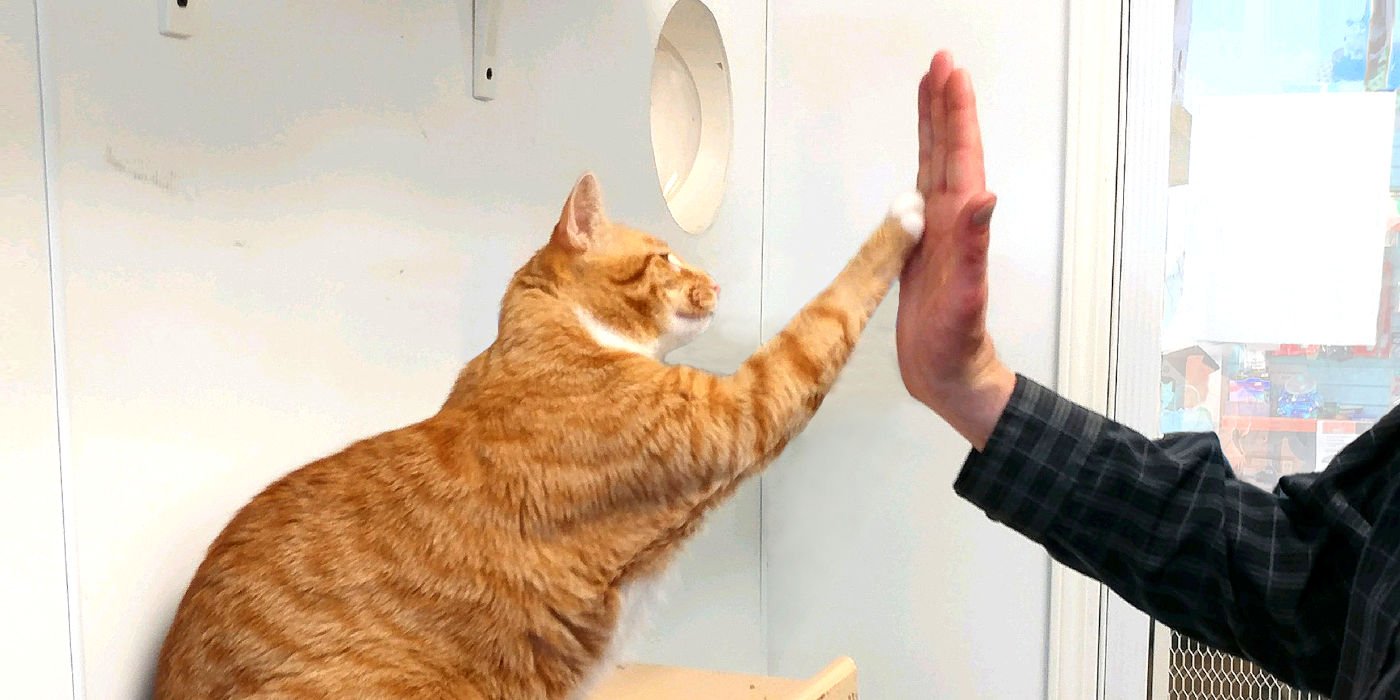
Training isn’t just about tricks; it’s about communication. When I taught my tabby, Luna, to high-five, it wasn’t just a cute party trick—it became our little language. Each session built trust, turning her from a skittish rescue into a confident companion. Advanced training fosters mutual understanding, reducing stress for both you and your cat.
Reducing Problem Behaviors
Got a cat who scratches furniture or bolts out the door? Advanced training addresses these issues head-on. By identifying triggers—like boredom or anxiety—and redirecting energy into positive outlets, you can curb unwanted habits. For example, teaching a cat to use a scratching post instead of your couch involves consistent redirection and rewards, often resolving the issue in under a month.
Mental and Physical Enrichment
Cats are natural problem-solvers, and boredom can lead to mischief. Advanced training engages their minds with challenges like puzzle feeders or agility courses. A 2023 study by the American Association of Feline Practitioners found that enriched environments reduce stress-related behaviors in 75% of cats, making training a win-win for health and happiness.
Core Components of an Advanced Feline Training Program
Clicker Training: The Cat Whisperer’s Tool
Clicker training uses a small device that makes a distinct “click” to mark desired behaviors, followed by a reward. It’s precise, letting your cat know exactly what they did right. When I trained Luna to jump through a hoop, the clicker helped her connect the action with a treat, speeding up her learning curve.
Positive Reinforcement: The Heart of Training
Rewarding good behavior with treats, toys, or affection is key. Cats are motivated by what they love—tuna, feather wands, or even a good chin scratch. The trick is consistency; always reward immediately after the desired action to reinforce the connection.
Desensitization and Counter-Conditioning
For cats with fears—like loud noises or strangers—advanced training uses desensitization to gradually expose them to triggers in a controlled way. Pairing the trigger with something positive, like treats, rewires their emotional response. This technique helped my friend’s cat, Max, go from hiding under the bed during thunderstorms to lounging calmly.
Environmental Management
Your home is your cat’s world. Advanced training often involves tweaking their environment to encourage good behavior. For example, placing scratching posts near furniture or puzzle feeders in quiet corners can redirect energy naturally. It’s like setting up a playground that works for both of you.
Step-by-Step Guide to Starting an Advanced Feline Training Program
Step 1: Assess Your Cat’s Needs
Every cat is unique. Start by observing their behavior—do they scratch excessively, avoid the litter box, or seem bored? Identifying specific issues helps tailor the program. For instance, if your cat is destructive, focus on redirecting energy to toys or agility tasks.
Step 2: Choose the Right Tools
You don’t need a fancy setup, but a few tools make a big difference. Here’s a quick list:
- Clicker: For precise behavior marking.
- Treats: Small, high-value rewards like freeze-dried chicken.
- Toys: Feather wands or laser pointers for play-based training.
- Puzzle Feeders: To stimulate their minds.
- Training Mats: To teach “place” commands.
Step 3: Set Clear Goals
Define what you want to achieve—whether it’s teaching a trick like “spin” or stopping counter-jumping. Break goals into small steps. For example, to teach “spin,” start by luring your cat in a circle with a treat, clicking and rewarding each partial turn.
Step 4: Create a Training Schedule
Consistency is key. Short, 5–10-minute sessions, 2–3 times daily, work best for cats’ short attention spans. I found mornings were perfect for Luna, as she was alert and food-motivated before breakfast.
Step 5: Track Progress and Adjust
Keep a simple log of behaviors and rewards to spot patterns. If progress stalls, tweak your approach—maybe switch treats or reduce distractions. Flexibility ensures you meet your cat where they are.
Comparison: Basic vs. Advanced Feline Training
| Aspect | Basic Training | Advanced Training |
|---|---|---|
| Focus | Simple commands (sit, come) | Complex behaviors, behavior modification |
| Time Commitment | 1–2 weeks | 1–3 months |
| Tools Required | Treats, basic toys | Clicker, puzzle feeders, agility props |
| Skill Level | Beginner-friendly | Requires patience, observation |
| Outcome | Obedience, basic manners | Enriched life, resolved issues |
Why Go Advanced?
Basic training lays the foundation, but advanced training unlocks a cat’s full potential. It’s like upgrading from a flip phone to a smartphone—both work, but one offers so much more. Advanced programs tackle deeper issues and create a more harmonious home.
Pros and Cons of Advanced Feline Training
Pros
- Stronger Bond: Builds trust and communication.
- Behavioral Solutions: Addresses issues like aggression or anxiety.
- Mental Stimulation: Keeps cats engaged and happy.
- Fun and Engaging: Tricks like jumping through hoops are a blast to teach.
Cons
- Time-Intensive: Requires consistent effort over weeks or months.
- Patience Needed: Cats learn at their own pace, which can test your resolve.
- Initial Costs: Tools like clickers or agility kits can add up, though they’re optional.
Real-Life Success Stories
Luna’s Leap: From Shy to Show-Off
When I adopted Luna, she was a nervous wreck, hiding from guests and shredding my curtains. I enrolled in an online advanced feline training course, learning clicker techniques and desensitization. Within two months, Luna was not only using her scratching post but also performing a high-five on cue. The transformation was like watching a wallflower become the life of the party.
Max’s Thunderstorm Turnaround
My friend Sarah struggled with her cat Max’s fear of storms. Using an advanced training program, she introduced desensitization by playing low-volume thunder sounds while offering treats. Over six weeks, Max went from cowering to casually napping through storms, proving even skittish cats can learn resilience.
People Also Ask (PAA) Section
What Is the Best Age to Start Advanced Feline Training?
Kittens as young as 8 weeks can start basic training, but advanced training is ideal for cats 6 months and older, when they have longer attention spans. Adult cats, even seniors, can learn too—my 12-year-old rescue learned to “sit” in just two weeks!
Can All Cats Be Trained?
Yes, but each cat’s personality affects the process. Confident cats may pick up tricks faster, while shy ones need more patience. Tailor your approach to their temperament, and most cats will respond to consistent, positive methods.
How Long Does It Take to See Results?
Results vary, but simple behaviors can take 1–2 weeks, while complex issues like aggression may need 1–3 months. Regular, short sessions and high-value rewards speed things up.
Where Can I Find Professional Feline Training Programs?
Look for certified programs like the Animal Behavior Institute’s Advanced Feline Training Certificate, which offers online courses and hands-on requirements. Local trainers or vet-recommended programs are also great options.
Best Tools and Resources for Advanced Feline Training
Top Tools
- Clicker: Karen Pryor Clicker Training offers affordable, durable clickers.
- Treats: PureBites freeze-dried treats are a cat favorite.
- Agility Kits: Petco sells beginner-friendly cat agility sets for under $50.
- Puzzle Feeders: Nina Ottosson’s feeders challenge cats mentally.
Where to Learn
- Online Courses: The Animal Behavior Institute offers a comprehensive Advanced Feline Training Certificate with real case studies.
- Books: “The Trainable Cat” by John Bradshaw is a must-read for science-based techniques.
- YouTube Channels: Cat School by Julie Posluns offers free, practical tutorials.
Transactional Options
For those ready to invest, platforms like Chewy.com offer training tools with fast shipping, while local trainers can be found via the International Association of Animal Behavior Consultants (iaabc.org). Always verify credentials to ensure expertise.
SEO Optimization for Feline Training Success
Keywords to Target
- Short-tail: “cat training,” “feline behavior”
- Long-tail: “advanced feline training program,” “how to train a cat not to scratch”
- LSI: “cat behavior modification,” “positive reinforcement for cats”
Tips for Ranking
- Optimize for Featured Snippets: Use clear, concise answers to common questions, like “What is advanced feline training?” in the opening sections.
- Internal Links: Link to related content on your site, like “basic cat training tips” or “cat enrichment ideas.”
- External Links: Reference authoritative sources like the American Association of Feline Practitioners (catvets.com) for credibility.
FAQ Section
How Do I Know If My Cat Needs Advanced Training?
If your cat has persistent issues like scratching, aggression, or litter box avoidance, or if you want to teach complex tricks, advanced training is ideal. Observe their behavior and consult a vet to rule out medical causes first.
Is Clicker Training Safe for Cats?
Absolutely. Clicker training is non-invasive and relies on positive reinforcement, making it safe and effective. Always use high-value rewards and keep sessions short to avoid stress.
Can I Train My Cat Without a Professional?
Yes, with the right resources and patience, you can train your cat at home. Online courses, books, and videos provide ample guidance, but professional help can speed up results for complex issues.
How Much Does Advanced Feline Training Cost?
Costs vary—DIY training with tools like clickers and treats can be under $50, while professional courses range from $200–$500. In-person trainers may charge $50–$100 per session.
What If My Cat Doesn’t Respond to Training?
If progress is slow, reassess your approach. Try higher-value rewards, shorter sessions, or a different environment. If issues persist, consult a certified feline behaviorist for tailored advice.
Final Thoughts: Your Cat’s Journey Awaits
Advanced feline training isn’t just about teaching tricks—it’s about unlocking your cat’s potential and creating a happier, healthier home. From solving pesky behaviors to mastering impressive skills, the journey is as rewarding as the destination. Start small, stay patient, and watch your cat surprise you. Ready to dive in? Grab a clicker, some treats, and let the adventure begin!