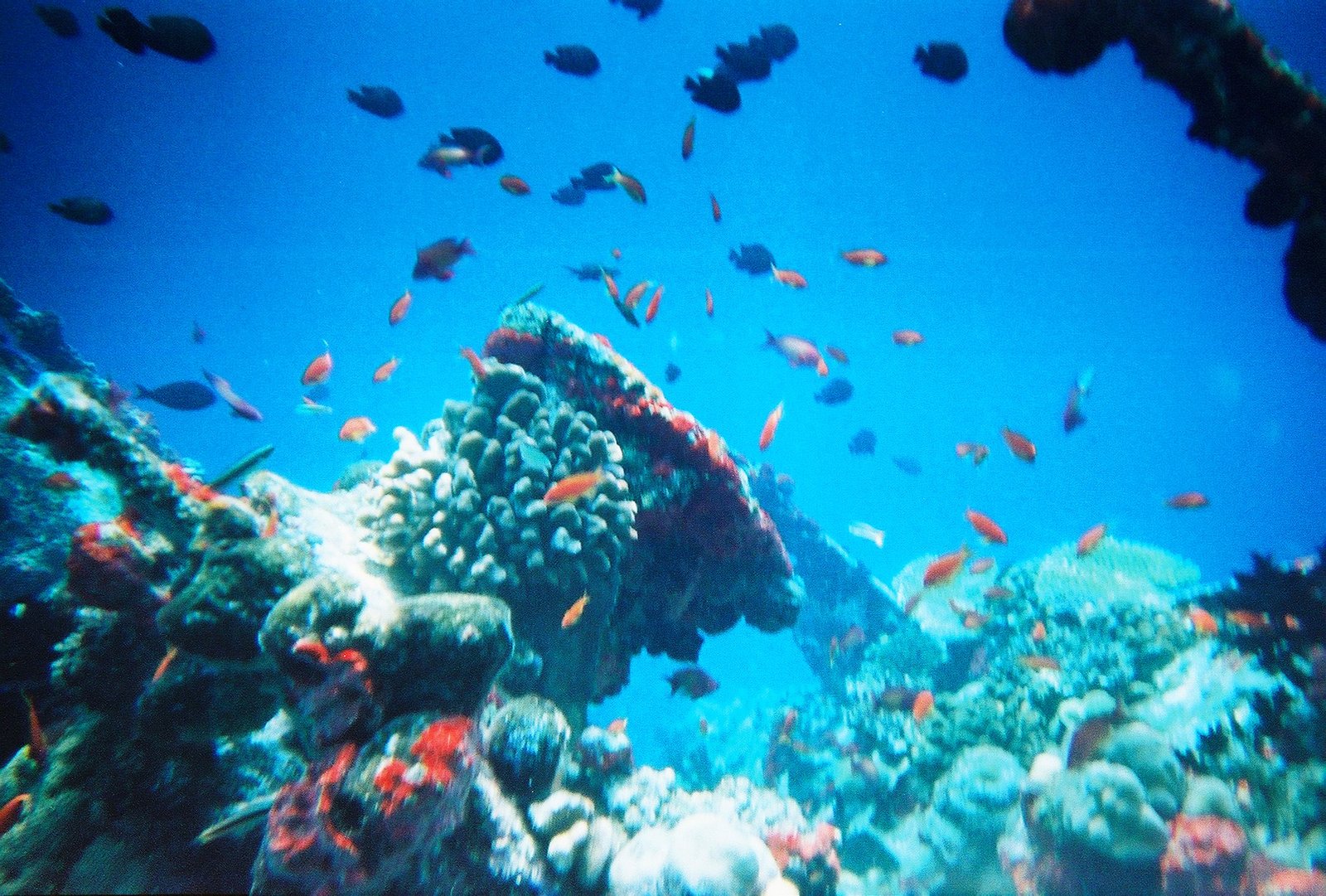
The ocean is a vast, mysterious world, covering over 70% of Earth’s surface and teeming with life that ranges from microscopic plankton to massive whales. As someone who’s spent countless hours snorkeling along coral reefs and reading about the wonders of the deep, I’ve always been captivated by how these marine ecosystems work together to sustain life. Each ecosystem is like a unique neighborhood in a bustling underwater city, with its own residents, challenges, and charm. In this article, we’ll explore nine key types of marine ecosystems, diving into their characteristics, importance, and the threats they face. Whether you’re a curious reader or an ocean enthusiast looking for actionable ways to engage with these habitats, this guide is packed with insights to deepen your appreciation for our planet’s blue heart.
Why Marine Ecosystems Matter
Marine ecosystems are the lifeblood of Earth, supporting biodiversity, regulating climate, and providing resources like food and oxygen. They’re not just pretty underwater scenes; they’re critical to human survival, contributing to everything from fisheries to carbon storage. Understanding these ecosystems helps us protect them, ensuring they thrive for generations. Let’s dive into the nine types, exploring what makes each one special.
Estuaries: Where Rivers Meet the Sea
Estuaries are dynamic zones where freshwater rivers meet the salty ocean, creating a brackish mix that’s a hotspot for biodiversity. Think of them as nature’s mixing bowls, blending nutrients from land and sea to support a variety of life. I remember kayaking through an estuary in Florida, marveling at the fish darting beneath my paddle and birds soaring overhead.
Characteristics of Estuaries
Estuaries are nutrient-rich, with sediments from rivers fueling plant and animal life. They’re often sheltered from harsh ocean waves, making them ideal nurseries for juvenile fish and crustaceans. Their fluctuating salinity levels demand adaptable species, like oysters and crabs.
Importance of Estuaries
- Nurseries: Serve as breeding grounds for fish, shrimp, and other marine life.
- Flood Protection: Absorb storm surges, protecting coastal communities.
- Water Filtration: Trap sediments and pollutants, improving water quality.
Threats to Estuaries
Pollution from urban runoff and agricultural chemicals can choke estuaries, while coastal development destroys their delicate balance. Climate change, with rising sea levels, further threatens their stability.
Salt Marshes: Coastal Nutrient Powerhouses
Salt marshes are grassy wetlands along coastlines, regularly flooded by tides. They’re like the ocean’s sponges, soaking up water and nutrients while providing habitat for countless species. Walking through a salt marsh once, I was struck by the squishy ground and the chorus of birds nesting in the tall grasses.
Characteristics of Salt Marshes
These ecosystems thrive in low-oxygen, salty soils, dominated by salt-tolerant grasses and shrubs. They’re incredibly productive, supporting dense populations of birds, fish, and invertebrates. Their muddy substrates are alive with decomposing matter, fueling the food web.
Importance of Salt Marshes
- Erosion Control: Stabilize coastlines against waves and storms.
- Carbon Storage: Act as carbon sinks, mitigating climate change.
- Biodiversity: Host migratory birds, crabs, and juvenile fish.
Threats to Salt Marshes
Sea level rise and coastal development are major threats, drowning marshes or replacing them with buildings. Pollution and invasive species also disrupt their delicate ecosystems.
Mangrove Forests: Tropical Coastal Guardians
Mangrove forests are tropical ecosystems where salt-tolerant trees grow with roots submerged in water. Their tangled roots create a maze that’s both a nursery and a fortress. Snorkeling near mangroves in the Caribbean, I was amazed by the schools of tiny fish weaving through the roots like underwater commuters.
Characteristics of Mangrove Forests
Found in tropical and subtropical regions, mangroves have unique adaptations like aerial roots to cope with salty, oxygen-poor environments. They thrive in muddy, tidal zones, creating complex habitats for marine and terrestrial species.
Importance of Mangrove Forests
- Coastal Protection: Reduce erosion from storms and tides.
- Nurseries: Provide safe havens for juvenile fish and crustaceans.
- Carbon Sequestration: Store significant amounts of carbon, aiding climate regulation.
Threats to Mangrove Forests
Deforestation for aquaculture and tourism, along with pollution and climate change, threatens mangroves. Their loss destabilizes coastlines and reduces biodiversity.
Coral Reefs: The Rainforests of the Sea
Coral reefs are vibrant, underwater cities built by calcium carbonate secretions from tiny coral polyps. Often called the “rainforests of the sea,” they host an incredible diversity of life. My first dive on the Great Barrier Reef was like entering a kaleidoscope of colors, with fish darting around like confetti.
Characteristics of Coral Reefs
Located in warm, shallow waters, coral reefs thrive in the euphotic zone where sunlight fuels photosynthesis. They’re built by corals in symbiotic relationships with algae, supporting a vast array of marine life, from clownfish to sea turtles.
Importance of Coral Reefs
- Biodiversity Hotspots: Support up to 25% of ocean species.
- Economic Value: Drive tourism and fisheries, generating billions annually.
- Wave Protection: Act as natural barriers, shielding coastal ecosystems.
Threats to Coral Reefs
Coral bleaching from warming waters, ocean acidification, and overfishing are decimating reefs. Pollution and destructive fishing practices further exacerbate their decline.
Kelp Forests: Underwater Jungles of the Coast
Kelp forests are towering underwater ecosystems formed by large brown algae called kelp. They sway like underwater forests, providing shelter and food for marine life. Diving in a kelp forest off California, I felt like I was swimming through a cathedral of green fronds.
Characteristics of Kelp Forests
Found in cold, nutrient-rich coastal waters, kelp forests grow rapidly, anchored to rocky substrates. They create dense, three-dimensional habitats that support fish, sea otters, and invertebrates.
Importance of Kelp Forests
- Habitat: Provide shelter for diverse marine species.
- Food Source: Support food webs, from herbivores to predators.
- Oxygen Production: Contribute to global oxygen levels through photosynthesis.
Threats to Kelp Forests
Warming waters, pollution, and overgrazing by sea urchins (often due to overfishing of predators like sea otters) are destroying kelp forests. Climate change is a growing concern.
Seagrass Meadows: Underwater Grasslands
Seagrass meadows are lush, underwater fields of flowering plants that grow in shallow coastal waters. They’re like the prairies of the ocean, teeming with life. I once saw a seahorse clinging to a seagrass blade, a tiny marvel in a swaying green sea.
Characteristics of Seagrass Meadows
Seagrasses anchor in sandy or muddy bottoms, forming dense meadows in shallow, sunlit waters. They’re highly productive, supporting species like turtles, dugongs, and crabs with their leaves and roots.
Importance of Seagrass Meadows
- Biodiversity: Support endangered species like seahorses and manatees.
- Carbon Storage: Absorb significant carbon, aiding climate regulation.
- Sediment Stabilization: Prevent coastal erosion by anchoring sediments.
Threats to Seagrass Meadows
Pollution, coastal development, and boating activities damage seagrass meadows. Climate change and ocean warming also threaten their survival.
Open Ocean: The Vast Blue Wilderness
The open ocean, or pelagic zone, is the vast, open water beyond the continental shelf. It’s the largest marine ecosystem, yet it feels like an endless blue desert. I’ve sailed across stretches of open ocean, awed by its sheer scale and the life it hides beneath.
Characteristics of the Open Ocean
Divided into zones by depth—euphotic (sunlit), dysphotic (twilight), and aphotic (dark)—the open ocean hosts diverse life, from plankton to whales. Its vastness makes it challenging to study, but it’s critical to global ecosystems.
Importance of the Open Ocean
- Global Climate: Absorbs carbon and regulates temperature.
- Food Source: Supports major fisheries like tuna and mackerel.
- Biodiversity: Home to migratory species like whales and sharks.
Threats to the Open Ocean
Overfishing, plastic pollution, and climate change (causing warming and acidification) threaten the open ocean. Its remoteness makes conservation challenging.
Deep-Sea Ocean: The Mysterious Abyss
The deep-sea ocean, or abyssal zone, lies below 1,000 meters, shrouded in darkness. It’s a realm of extremes, where strange creatures thrive under crushing pressure. Reading about deep-sea expeditions always feels like stepping into a sci-fi novel.
Characteristics of the Deep-Sea Ocean
The deep sea is cold, dark, and high-pressure, with life adapted to extreme conditions. Hydrothermal vents and cold seeps create oases of life, supporting unique species like tube worms and deep-sea fish.
Importance of the Deep-Sea Ocean
- Unique Biodiversity: Hosts species found nowhere else.
- Carbon Storage: Locks away carbon in sediments.
- Scientific Value: Offers insights into life’s adaptability and evolution.
Threats to the Deep-Sea Ocean
Deep-sea mining, pollution, and climate change disrupt this fragile ecosystem. Its inaccessibility makes monitoring and protection difficult.
Polar Marine Ecosystems: Icy Realms of Life
Polar marine ecosystems, found in the Arctic and Antarctic, are defined by ice and cold waters. They’re starkly beautiful, with life adapted to freezing conditions. Seeing a polar bear on an Arctic cruise was a humbling reminder of nature’s resilience.
Characteristics of Polar Marine Ecosystems
These ecosystems feature sea ice, cold waters, and seasonal light variations. They support species like polar bears, penguins, and krill, which form the base of the food web.
Importance of Polar Marine Ecosystems
- Global Climate: Reflect sunlight, regulating Earth’s temperature.
- Biodiversity: Support unique species like narwhals and seals.
- Fisheries: Krill fisheries are vital for global food chains.
Threats to Polar Marine Ecosystems
Climate change, melting sea ice, and overfishing threaten polar ecosystems. Warming waters disrupt food webs, endangering species like polar bears.
Comparing Marine Ecosystems: A Quick Overview
| Ecosystem | Location | Key Features | Major Threats |
|---|---|---|---|
| Estuaries | River-ocean interfaces | Nutrient-rich, brackish water | Pollution, development, sea level rise |
| Salt Marshes | Coastal wetlands | Grassy, tidal, nutrient-rich | Sea level rise, pollution |
| Mangrove Forests | Tropical coasts | Salt-tolerant trees, aerial roots | Deforestation, climate change |
| Coral Reefs | Warm, shallow waters | Biodiverse, built by coral polyps | Bleaching, acidification, overfishing |
| Kelp Forests | Cold coastal waters | Towering brown algae, dense habitats | Warming, pollution, overgrazing |
| Seagrass Meadows | Shallow coastal waters | Flowering plants, sediment stabilizers | Pollution, boating, climate change |
| Open Ocean | Beyond continental shelf | Vast, zoned by depth, migratory species | Overfishing, pollution, acidification |
| Deep-Sea Ocean | Below 1,000 meters | Dark, high-pressure, unique species | Mining, pollution, climate change |
| Polar Marine | Arctic/Antarctic waters | Ice-covered, cold, seasonal light | Climate change, melting ice, fishing |
Pros and Cons of Marine Ecosystem Conservation
Pros
- Biodiversity Preservation: Protects countless species and their habitats.
- Climate Regulation: Maintains carbon sinks and oxygen production.
- Economic Benefits: Supports fisheries, tourism, and coastal protection.
- Cultural Value: Preserves ecosystems integral to coastal communities’ identities.
Cons
- Economic Costs: Conservation efforts can be expensive and require long-term funding.
- Access Restrictions: Marine protected areas may limit fishing or tourism activities.
- Enforcement Challenges: Monitoring vast or remote areas is difficult.
- Conflicting Interests: Balancing human needs with ecosystem health can spark disputes.
People Also Ask (PAA) Section
What is the most biodiverse marine ecosystem?
Coral reefs are often considered the most biodiverse, hosting up to 25% of marine species despite covering less than 0.1% of the ocean floor. Their complex structures provide habitats for countless organisms, from fish to invertebrates.
How do marine ecosystems benefit humans?
Marine ecosystems provide food (fisheries), oxygen (via phytoplankton), climate regulation (carbon storage), and economic opportunities (tourism, shipping). They also protect coastlines from erosion and storms, benefiting human communities.
What are the main threats to marine ecosystems?
Major threats include climate change (warming, acidification), pollution (plastic, chemicals), overfishing, coastal development, and invasive species. These stressors disrupt ecosystems and reduce their ability to provide services.
Where can I learn more about marine ecosystems?
Explore resources from NOAA Fisheries (www.fisheries.noaa.gov) or National Geographic (education.nationalgeographic.org) for in-depth information. Local aquariums and marine conservation organizations also offer educational programs.
What are the best tools for studying marine ecosystems?
Tools like underwater drones, sonar mapping, and satellite monitoring are ideal for researchers. For enthusiasts, snorkeling or scuba gear, marine biology books, and apps like iNaturalist help you explore and document marine life.
How to Engage with Marine Ecosystems
Informational: Learn About Marine Ecosystems
Start by reading books like The Ocean of Life by Callum Roberts or visiting educational websites like NOAA’s Ocean Explorer. Local aquariums often host workshops, and online courses from platforms like Coursera cover marine biology basics.
Navigational: Where to Experience Marine Ecosystems
Visit coral reefs in places like the Great Barrier Reef (Australia) or the Florida Keys (USA). For mangroves, try the Everglades or Caribbean islands. Kelp forests are accessible off California’s coast, while polar ecosystems can be explored via Arctic or Antarctic cruises.
Transactional: Best Tools for Exploration
- Snorkeling/Scuba Gear: Essential for exploring coral reefs and seagrass meadows.
- Underwater Cameras: Capture marine life for personal study or sharing.
- Field Guides: Books like Marine Life of the Pacific Northwest help identify species.
- Citizen Science Apps: Contribute to research with apps like eOceans or iNaturalist.
FAQ Section
Why are marine ecosystems important for climate regulation?
Marine ecosystems, especially mangroves, seagrasses, and salt marshes, act as carbon sinks, absorbing CO2 from the atmosphere. The open ocean also regulates global temperatures by absorbing heat and carbon, mitigating climate change impacts.
How can I help protect marine ecosystems?
Reduce plastic use, support sustainable seafood, and participate in beach cleanups. Donating to organizations like the Ocean Conservancy or advocating for marine protected areas also makes a difference.
What is the difference between pelagic and benthic ecosystems?
Pelagic ecosystems refer to the open water column (like the open ocean), while benthic ecosystems involve the ocean floor (like deep-sea habitats). Each supports distinct species adapted to their environment.
Are all marine ecosystems equally threatened?
No, threats vary by ecosystem. Coral reefs face severe risks from bleaching and acidification, while deep-sea ecosystems are more impacted by mining. All face some level of threat from climate change and pollution.
Can marine ecosystems recover from damage?
Yes, with proper management, ecosystems like seagrass meadows and coral reefs can recover, though it takes time. Marine protected areas and restoration projects, like coral planting, show promising results.
Conclusion: Protecting Our Ocean’s Heartbeat
Marine ecosystems are more than just underwater landscapes; they’re vital to life on Earth, supporting biodiversity, economies, and climate stability. From the bustling nurseries of estuaries to the mysterious depths of the deep sea, each ecosystem plays a unique role. By understanding and protecting these habitats—whether through reducing pollution, supporting conservation, or simply spreading awareness—we can ensure the ocean continues to thrive. Next time you’re near the coast, take a moment to appreciate the hidden worlds beneath the waves and consider how you can help preserve them.