Introduction to Pet Birds in India
Birds have fluttered their way into Indian homes for centuries, bringing vibrant colors, cheerful chirps, and endless charm. For beginners, choosing the right pet bird can feel like stepping into a jungle of options—each species with its own personality and quirks. This guide dives deep into the best pet birds for beginners in India, blending practical advice with a sprinkle of storytelling to help you find your perfect feathered friend. Whether you’re seeking a low-maintenance companion or a talkative buddy, we’ve got you covered with insights grounded in experience and expertise.
Why Choose a Pet Bird?
Pet birds are more than just pretty plumage—they’re companions that fit beautifully into India’s diverse lifestyles, from bustling city apartments to serene suburban homes. Their small size, relatively low maintenance, and ability to bond make them ideal for first-time pet owners. Imagine coming home after a long day to a cheerful whistle or a playful chirp—it’s like a tiny therapist with feathers! Plus, under India’s Wildlife Protection Act of 1972, exotic birds are legal to keep, offering a guilt-free way to enjoy avian companionship.
Benefits of Owning a Pet Bird
Owning a pet bird can transform your daily routine. They’re low-space pets, perfect for compact Indian homes, and their care routines teach responsibility without overwhelming beginners. Studies show that interacting with birds can reduce stress and boost emotional intelligence, especially in kids. And let’s be honest—who wouldn’t smile at a budgie mimicking your favorite tune?
Legal Considerations in India
Before you rush to adopt a feathered friend, know the rules. India’s Wildlife Protection Act prohibits keeping native birds like parrots, mynas, or peacocks as pets. Exotic species, however, like budgerigars and cockatiels, are fair game. Always buy from reputable breeders to avoid legal trouble and ensure your bird is healthy. Breaking these laws could lead to fines or even jail time, so stick to exotic species to stay on the right side of the law.
Top 5 Pet Birds for Beginners in India
Let’s meet the stars of the show—the best pet birds for beginners in India. These species are chosen for their friendly nature, ease of care, and adaptability to Indian households. Each comes with its own charm, like characters in a colorful storybook, ready to add joy to your life.
Budgerigar (Budgie): The Playful Starter Bird
Budgies, or parakeets, are the rockstars of the pet bird world. These pint-sized parrots, native to Australia, are perfect for beginners due to their small size, affordability, and sociable personalities. I once had a blue budgie named Bluey who’d chirp along to my morning playlist—talk about a mood-lifter! Their ability to mimic sounds and learn simple words makes them endlessly entertaining.
Why Budgies Are Great for Beginners
- Size: Small (7–8 inches), ideal for apartments.
- Lifespan: 5–10 years with proper care.
- Care Level: Low; needs a balanced diet of seeds, fruits, and veggies.
- Personality: Playful, interactive, and easy to train.
Care Tips for Budgies
Budgies thrive in spacious cages with perches and toys. Feed them high-quality seeds, apples, carrots, and occasional millet treats. Regular interaction prevents loneliness, so spend time talking or playing with them daily. A shallow water dish for bathing keeps their feathers pristine.
Cockatiel: The Whistling Charmer
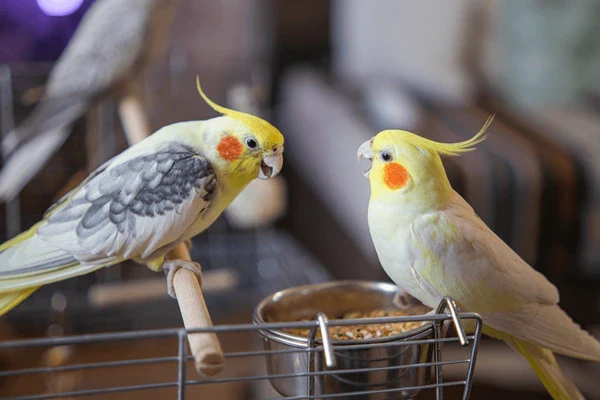
Cockatiels, with their iconic crests and bright orange cheeks, are like the cool cousins of budgies. Native to Australia, these small parrots are gentle and expressive, using their crests to signal emotions. My neighbor’s cockatiel, Sunny, once mimicked her doorbell, sending everyone into a frenzy—it was hilarious! They’re perfect for beginners who want a bird with personality but manageable care needs.
Why Cockatiels Are Beginner-Friendly
- Size: 12–14 inches, slightly larger than budgies.
- Lifespan: 10–14 years, up to 20 with excellent care.
- Care Level: Moderate; needs social interaction and a varied diet.
- Personality: Affectionate, vocal, and loves whistling tunes.
Care Tips for Cockatiels
Provide a roomy cage with varied perches and toys like bells or mirrors. Their diet should include pellets, seeds, and fresh veggies like broccoli. Daily out-of-cage time for exercise and bonding is crucial. Male cockatiels are more vocal, so choose one if you want a chatty companion.
Lovebirds: The Tiny Romantics
Lovebirds, hailing from Africa, are small parrots bursting with personality. Despite their name, they don’t need a partner to thrive, making them great for solo owners. I once watched a lovebird named Mango steal a piece of carrot from his owner’s plate—cheeky and charming! Their vibrant colors and playful antics make them a favorite for beginners.
Why Lovebirds Are Ideal for New Owners
- Size: 5–6 inches, perfect for small spaces.
- Lifespan: 10–15 years with good care.
- Care Level: Moderate; requires mental stimulation.
- Personality: Social, playful, and bonds strongly with owners.
Care Tips for Lovebirds
Lovebirds need a spacious cage with toys like swings or puzzles to keep their sharp minds engaged. Feed them a mix of pellets, seeds, and fruits like berries. Hand-taming from a young age ensures they’re cuddly and trusting. Regular interaction prevents behavioral issues like feather plucking.
Zebra Finch: The Low-Maintenance Songbird
Zebra finches are tiny, chirpy birds from Australia, known for their distinctive black-and-white striped tails. They’re perfect for beginners who want a bird that’s happy with minimal handling. My cousin’s finch pair would sing duets every morning, creating a mini-concert at home. Their low-maintenance nature makes them a stress-free choice.
Why Zebra Finches Are Great for Beginners
- Size: 4–5 inches, very compact.
- Lifespan: 5–9 years with proper care.
- Care Level: Low; minimal interaction needed.
- Personality: Social, cheerful, and loves to sing.
Care Tips for Zebra Finches
A wide cage with perches and nesting materials suits their active nature. Their diet should include finch-specific seeds, greens, and occasional egg food for protein. They’re happiest in pairs, so consider getting two for companionship. Clean their cage weekly to maintain hygiene.
Canary: The Melodious Companion
Canaries are the opera singers of the bird world, known for their beautiful songs. These small birds, originally from the Canary Islands, are ideal for beginners who prefer a hands-off pet. I once gifted a canary to my aunt, and her home felt like a nature retreat with its constant melodies. They’re low-maintenance and perfect for quieter households.
Why Canaries Are Beginner-Friendly
- Size: 4–5 inches, small and manageable.
- Lifespan: 8–12 years with good care.
- Care Level: Low; doesn’t require much handling.
- Personality: Shy, melodious, and content in solitude.
Care Tips for Canaries
Provide a large flight cage with perches and a shallow bath for hygiene. Feed them a mix of canary seeds, pellets, and greens like spinach. Male canaries sing more, so choose one if you want music. Keep their cage in a calm area to avoid stress.
Comparison Table: Best Pet Birds for Beginners
| Bird Species | Size | Lifespan | Care Level | Personality | Best For |
|---|---|---|---|---|---|
| Budgerigar (Budgie) | 7–8 inches | 5–10 years | Low | Playful, talkative | First-time owners, apartments |
| Cockatiel | 12–14 inches | 10–14 years | Moderate | Affectionate, vocal | Families, social owners |
| Lovebird | 5–6 inches | 10–15 years | Moderate | Social, playful | Active owners, small spaces |
| Zebra Finch | 4–5 inches | 5–9 years | Low | Cheerful, low-maintenance | Busy owners, hands-off care |
| Canary | 4–5 inches | 8–12 years | Low | Shy, melodious | Quiet households, music lovers |
Pros and Cons of Each Bird Species
Budgerigar (Budgie)
- Pros: Affordable, easy to train, small size, talkative.
- Cons: Can be noisy, needs regular interaction to stay happy.
Cockatiel
- Pros: Friendly, expressive, long lifespan, great for kids.
- Cons: Requires more space, moderate care needs.
Lovebird
- Pros: Colorful, affectionate, bonds strongly with owners.
- Cons: Can be nippy if not tamed, needs mental stimulation.
Zebra Finch
- Pros: Low-maintenance, cheerful, thrives in pairs.
- Cons: Less interactive, not ideal for hands-on owners.
Canary
- Pros: Beautiful songs, low-maintenance, quiet personality.
- Cons: Shy, doesn’t enjoy handling, less social.
Where to Get Pet Birds in India
Finding a reputable source is crucial for a healthy, happy bird. Avoid illegal bird markets like those selling native species, as they violate the Wildlife Protection Act. Instead, check out trusted pet stores like Pets Basket (petsbasket.in) or online platforms like PetIndiaOnline (petindiaonline.com). Local breeders with good reviews are also a great option. For example, I sourced my budgie from a breeder in Kolkata who provided health certificates, ensuring Bluey was in top shape. Always ask for documentation to confirm the bird’s origin and health.
Tips for Choosing a Breeder
- Look for breeders registered with local pet associations.
- Visit the facility to check cleanliness and bird health.
- Ask about diet, socialization, and veterinary care