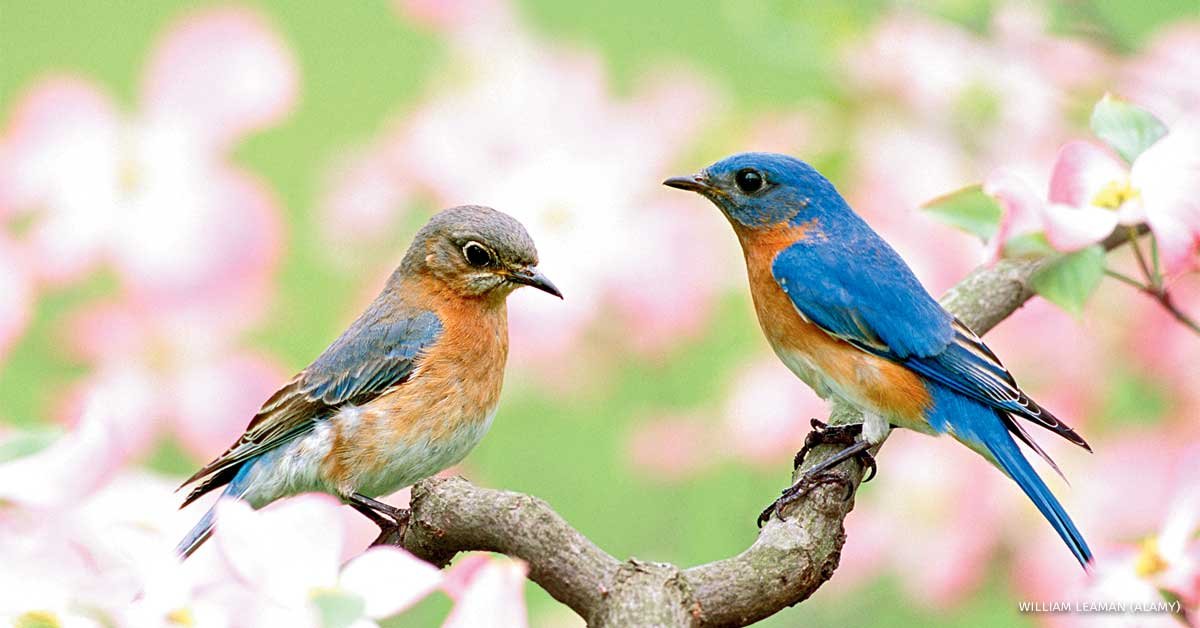
Why Female Birds Deserve the Spotlight
For too long, female birds have been overshadowed by their flashier male counterparts, whose vibrant plumage and showy displays often steal the show. But female birds, with their subtle elegance and critical roles in ecosystems, are finally getting the recognition they deserve. From their unique behaviors to their understated beauty, these avian heroines are stepping into the limelight.
The Historical Oversight of Female Birds
A Male-Centric View in Ornithology
Ornithology, the study of birds, has historically focused on males due to their striking colors and bold mating displays. Early naturalists, often male, prioritized documenting the peacocks and cardinals of the world, sidelining the females as “drab” or “plain.” This bias skewed our understanding of avian biology for centuries.
Shifting Perspectives in Modern Science
Today, scientists are rethinking this approach, recognizing that female birds play equally vital roles in reproduction, parenting, and survival. Studies now highlight their complex behaviors, like mate choice and nest-building, showing that females are far from passive players in the avian world.
The Beauty of Female Birds: Subtle but Stunning
Redefining Avian Aesthetics
While male birds often flaunt bright feathers to attract mates, female birds showcase a different kind of beauty. Their muted tones—think soft browns, grays, and olives—are often adaptations for camouflage, protecting them and their nests from predators. This understated elegance is now being celebrated in wildlife photography and art.
Examples of Striking Female Plumage
Consider the female mallard duck, with her intricate mottled brown feathers that blend seamlessly with marshy surroundings, or the female American redstart, whose soft yellow patches add a delicate charm. These subtle hues are not just functional but visually captivating when viewed through a lens of appreciation.
Why Subtlety Matters in Nature
Subtle plumage often serves a survival purpose, allowing females to blend into their environments while nurturing their young. This adaptive beauty highlights the ingenuity of evolution, where form meets function in ways that are both practical and aesthetically pleasing.
The Vital Roles Female Birds Play
Masters of Nest-Building
Female birds are often the architects of their nests, crafting intricate structures from twigs, grasses, and even spider silk. For example, the female weaverbird constructs elaborate hanging nests that are both secure and visually stunning, showcasing engineering prowess that rivals any human design.
Choosy Mates and Decision-Makers
Female birds are not just passive recipients of male attention; they actively choose their partners based on traits like song quality, feather condition, or courtship displays. This decision-making power shapes the evolution of bird species, as females drive sexual selection by favoring certain traits.
Dedicated Parents and Protectors
From incubating eggs to feeding fledglings, female birds are often the primary caregivers. Take the female emperor penguin, who braves Antarctic winters to keep her egg warm while her mate treks for food. Their dedication ensures the survival of the next generation.
Why Female Birds Are Gaining Attention Now
Advances in Research and Technology
Modern technology, like DNA analysis and high-resolution photography, has revealed new insights into female birds’ behaviors and appearances. Researchers can now study subtle differences in plumage or track female migration patterns, uncovering their critical contributions to ecosystems.
Cultural Shifts Toward Inclusivity
Just as society is recognizing overlooked voices, the birding world is embracing a more inclusive view of avian life. Birders and scientists alike are celebrating female birds, with field guides and apps now highlighting their unique traits alongside males.
The Role of Citizen Science
Citizen science platforms like eBird and iNaturalist have empowered everyday birders to document female birds in their natural habitats. These contributions are helping researchers build a more complete picture of avian diversity, with female birds front and center.
Fascinating Female Bird Behaviors
Clever Mimicry and Deception
Some female birds, like the cuckoo, have mastered the art of deception, laying eggs in other species’ nests to avoid parenting duties. This sneaky strategy, while controversial, showcases their evolutionary ingenuity and adaptability.
Complex Songs and Calls
While male birds are often praised for their songs, females of many species also sing or call to communicate. For instance, female northern cardinals have softer but equally complex songs, used to signal territory or coordinate with their mates.
Migration Marvels
Female birds often lead or participate in epic migrations, navigating thousands of miles with precision. The female Arctic tern, for example, undertakes a 25,000-mile round-trip journey each year, showcasing stamina and navigational skills that rival any male.
Comparing Male and Female Birds: A Balanced View
Table: Male vs. Female Bird Traits
| Trait | Male Birds | Female Birds |
|---|---|---|
| Plumage | Bright, vibrant colors | Subtle, camouflaged tones |
| Role in Mating | Display, courtship dances | Mate selection, nest-building |
| Parenting | Variable, often less involved | Primary caregivers in many species |
| Song/Calls | Loud, elaborate songs | Softer, complex calls or songs |
| Survival Strategy | Attract mates, compete with rivals | Camouflage, protect offspring |
Why Both Are Essential
While males and females have different roles, both are crucial to species survival. Males may draw attention with their displays, but females ensure the next generation thrives through their nurturing and strategic mate choices.
Challenges Female Birds Face
Habitat Loss and Climate Change
Like all wildlife, female birds face threats from habitat destruction and climate change. Deforestation and urbanization disrupt nesting sites, while shifting climates can alter migration patterns, making it harder for females to raise their young.
Predation and Nest Vulnerability
Female birds’ camouflaged plumage helps, but predators like hawks or snakes remain a constant threat to nests. Conservation efforts, like nest box programs, are helping protect vulnerable species like the eastern bluebird.
Human Misconceptions
Misconceptions about female birds as “less interesting” have historically limited conservation focus on their specific needs. Raising awareness about their roles is key to ensuring their habitats and behaviors are protected.
How to Celebrate and Support Female Birds
Best Tools for Birdwatching
- Binoculars: Opt for lightweight models like the Nikon Monarch 5 (8×42) for clear views of female birds’ subtle plumage.
- Field Guides: Books like The Sibley Guide to Birds now include detailed female illustrations.
- Apps: Use Merlin Bird ID or Audubon Bird Guide to identify female birds by sight or sound.
Where to Learn More About Female Birds
- Cornell Lab of Ornithology: Offers free online courses on bird behavior, including female-specific traits.
- National Audubon Society: Provides resources on female bird conservation and identification.
- eBird: A citizen science platform where you can log sightings and learn about female birds in your area.
Conservation Actions You Can Take
- Plant Native Species: Create bird-friendly habitats with native plants that provide food and nesting materials.
- Support Conservation Groups: Donate to organizations like BirdLife International that protect female birds’ habitats.
- Reduce Window Collisions: Use decals or screens to prevent female birds from flying into windows during migration.
Pros and Cons of Focusing on Female Birds
Pros
- Enhanced Understanding: Studying females reveals new insights into avian behavior and evolution.
- Conservation Impact: Protecting female birds directly supports species survival by ensuring healthy offspring.
- Inclusivity: Highlighting females promotes a balanced view of nature, appealing to diverse audiences.
Cons
- Identification Challenges: Subtle plumage can make female birds harder to identify for beginners.
- Limited Historical Data: Less research on females means gaps in knowledge that require new studies.
- Resource Allocation: Focusing on females may divert attention from other conservation priorities.
People Also Ask (PAA) Section
Why Are Female Birds Less Colorful?
Female birds often have muted colors to blend into their surroundings, protecting them and their nests from predators. This evolutionary trait prioritizes survival over showiness, unlike males, who use bright plumage to attract mates.
How Do Female Birds Choose Mates?
Female birds select mates based on traits like song quality, physical health, or elaborate displays. For example, female peacocks favor males with the most vibrant tail feathers, indicating genetic fitness.
Do Female Birds Sing?
Yes, many female birds sing, though their songs are often softer or less frequent than males’. Species like the northern cardinal and Australian magpie feature females with complex vocalizations for communication or territory defense.
How Can I Identify Female Birds?
Use field guides or apps like Merlin Bird ID to learn female-specific plumage and behaviors. Pay attention to subtle color patterns, body shape, and habitat preferences to distinguish them from males.
FAQ Section
What Makes Female Birds Unique Compared to Males?
Female birds often have camouflaged plumage and take on primary parenting roles, like nest-building and egg incubation. Their behaviors, like mate choice, significantly influence species evolution.
How Can I Support Female Bird Conservation?
Plant native species, reduce pesticide use, and support organizations like the Audubon Society. Installing nest boxes and reporting sightings on eBird also help protect female birds.
Are Female Birds Harder to Study Than Males?
Yes, their subtle plumage and less conspicuous behaviors can make them harder to spot and study. However, modern tools like GPS tracking and citizen science are closing this gap.
Can Female Birds Be As Colorful As Males?
In some species, like parrots or kingfishers, females are nearly as colorful as males. However, their colors are often slightly muted to balance attractiveness with camouflage.
Why Is There More Focus on Female Birds Now?
Advances in technology, cultural shifts toward inclusivity, and citizen science have highlighted female birds’ importance. Researchers now recognize their critical roles in ecosystems and evolution.
A Personal Connection to Female Birds
As a lifelong birder, I’ve spent countless mornings peering through binoculars, hoping to spot a rare species. One day, while watching a pair of cardinals, I noticed the female’s soft, reddish-brown feathers and quiet grace as she guarded her nest. She wasn’t flashy, but her presence was powerful—a reminder that beauty doesn’t always shout. That moment shifted my perspective, inspiring me to learn more about the unsung heroines of the avian world. Female birds, like that cardinal, deserve our admiration for their resilience and quiet strength.
Conclusion: A New Era for Female Birds
Female birds are finally getting their due, and it’s about time. Their subtle beauty, critical roles, and fascinating behaviors are reshaping how we view the avian world. By celebrating their contributions through birdwatching, conservation, and education, we can ensure these remarkable creatures continue to thrive. So, grab your binoculars, download a birding app, and start noticing the female birds in your backyard—they’re ready to steal your heart.