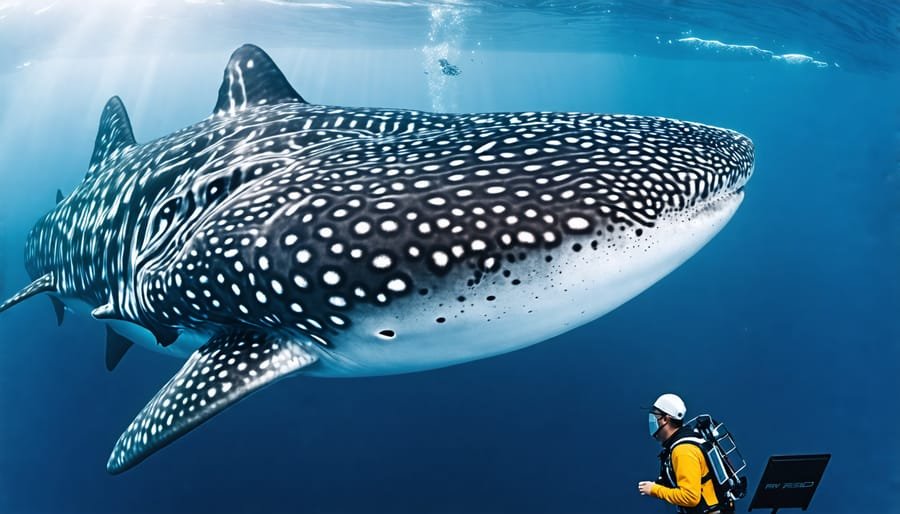
Introduction to Aquatic Animal Welfare
Imagine a world where octopuses solve puzzles, fish thrive in pristine waters, and corals flourish without human interference. Aquatic animals—ranging from nimble cephalopods to vibrant reef dwellers—face mounting threats from human activities like fishing, aquaculture, and research. Science, however, is stepping up with innovative solutions to protect these creatures, blending compassion with cutting-edge technology. This article explores how scientific advancements are sparing aquatic animals from harm, ensuring their welfare while meeting human needs.
Why Aquatic Animal Welfare Matters
Aquatic animals, including fish, crustaceans, cephalopods, and marine mammals, are vital to ecosystems and human economies. Yet, their suffering in research labs, fishing nets, and aquaculture farms often goes unnoticed. Prioritizing their welfare not only aligns with ethical principles but also supports sustainable ecosystems. Science offers tools to reduce harm, from non-invasive research methods to humane farming practices, ensuring these creatures thrive.
The Scale of the Challenge
Over 250 billion aquatic animals are farmed annually, dwarfing terrestrial livestock numbers. Many endure stress, overcrowding, and inhumane handling. Scientific interventions aim to address these issues, balancing productivity with compassion.
Ethical and Ecological Stakes
Healthy aquatic animals maintain ocean ecosystems, regulate food webs, and support biodiversity. Neglecting their welfare risks ecological collapse and ethical backlash. Science-driven solutions, like humane slaughter methods, are critical for sustainable progress.
Breakthroughs in Non-Animal Research Methods
Science is revolutionizing how we study aquatic animals, moving away from invasive methods. Non-animal alternatives, such as computer modeling and cell cultures, are gaining traction, reducing the need to harm creatures like octopuses or sharks in labs.
Computational Modeling for Cephalopods
Cephalopods, like octopuses, are intelligent and sensitive, yet often used in research. Computational models simulate their neural networks, allowing scientists to study behavior without physical experiments. These models replicate complex behaviors, sparing countless animals.
Cell Cultures Replace Live Testing
Cell cultures derived from fish or crustaceans can mimic biological responses, reducing the need for live animal testing. This method is cost-effective, ethical, and yields reliable data for toxicology studies.
Environmental DNA (eDNA) Analysis
Environmental DNA (eDNA) lets researchers detect aquatic species by analyzing water samples, eliminating the need for trapping or killing. This non-invasive technique tracks species presence and health, aiding conservation efforts.
Innovations in Aquaculture: Humane Farming Practices
Aquaculture, the farming of aquatic animals, is booming but often at the cost of animal welfare. Science is introducing humane practices, from AI-driven monitoring to sustainable feed alternatives, to ensure healthier animals and ecosystems.
AI-Powered Aquaculture Systems
Artificial intelligence (AI) optimizes aquaculture by monitoring water quality, detecting diseases, and adjusting feeding schedules. For example, AI systems have achieved 98.94% accuracy in spotting irregularities in fish farms, reducing stress and mortality.
Recirculating Aquaculture Systems (RAS)
RAS technology recycles water in fish farms, maintaining optimal conditions while reducing environmental impact. These systems minimize stress by controlling water quality, ensuring healthier fish with less waste.
Plant-Based Feeds for Sustainability
Traditional fish feeds rely on wild-caught fish, depleting oceans. Plant-based or microbial feeds, developed through scientific research, provide nutrient-dense alternatives, reducing pressure on marine ecosystems while supporting fish health.
Comparison: Traditional vs. Plant-Based Feeds
| Aspect | Traditional Feeds | Plant-Based Feeds |
|---|---|---|
| Source | Wild-caught fish | Plants, algae, microbes |
| Environmental Impact | High (overfishing) | Low (sustainable) |
| Cost | Moderate to high | Lower over time |
| Animal Welfare | Variable | Improved (better nutrition) |
Reducing Harm in Biomedical Research
Aquatic animals like horseshoe crabs and sharks are used in biomedical research, often with fatal consequences. Science is developing alternatives, such as synthetic compounds and ethical testing methods, to spare these creatures.
Replacing Horseshoe Crab Blood with rFC
Horseshoe crab blood is harvested for its clotting properties in vaccine testing. Recombinant Factor C (rFC), a synthetic alternative, matches its efficacy without harming crabs. Eli Lilly has successfully adopted rFC, proving its reliability.
Squalene from Plants, Not Sharks
Squalene, used in cosmetics and vaccines, is traditionally sourced from shark livers. Plant-based squalene from olive oil or sugarcane offers a humane, sustainable alternative, sparing millions of sharks annually.
Pros and Cons of rFC vs. Horseshoe Crab Blood
Pros of rFC:
- Humane: No crabs harmed.
- Cost-effective: Reduces harvesting costs.
- Reliable: Approved for certain therapies.
Cons of rFC:
- Regulatory hurdles: U.S. standards lag behind Europe.
- Initial investment: Requires validation studies.
Pros of Horseshoe Crab Blood:
- Established: Widely accepted by regulators.
- Effective: Proven track record.
Cons of Horseshoe Crab Blood:
- Harmful: Up to 30% of crabs die post-harvesting.
- Unsustainable: Threatens crab populations.
Conservation Genetics and AI
AI and conservation genetics are transforming how we protect endangered aquatic species. By analyzing genetic diversity and tracking populations, science helps preserve species without invasive interventions.
AI in Genetic Analysis
AI algorithms identify genetic markers for disease resistance or reproduction, aiding conservation strategies. For instance, AI tracks genetic diversity in endangered fish, guiding breeding programs to boost resilience.
Protecting Endangered Species
Conservation genetics prioritizes populations with high genetic diversity, ensuring long-term survival. AI-driven tools analyze DNA from water samples, offering insights into species health without capturing them.
Acoustic Telemetry for Non-Invasive Tracking
Tracking aquatic animals traditionally involves invasive tagging. Acoustic telemetry, a scientific breakthrough, uses sound waves to monitor movements, minimizing stress and harm.
How Acoustic Telemetry Works
Small transmitters emit signals detected by underwater receivers, mapping animal movements. This method has tracked over 12,000 marine animals, revealing migration patterns without physical interference.
Benefits for Marine Giants
Whales, turtles, and sharks benefit from acoustic telemetry, which provides data for conservation without disrupting their natural behaviors. It’s a game-changer for understanding and protecting ocean giants.
Bio-Preservatives for Sustainable Seafood
Preserving aquatic products often involves harmful chemicals. Bio-preservatives, derived from plants and microbes, extend shelf life while maintaining safety and reducing environmental harm.
Microbial-Based Preservatives
Microbial preservatives, like bacteriocins, inhibit spoilage bacteria, keeping seafood fresh without synthetic additives. These compounds are safe for humans and eco-friendly.
Plant-Derived Antioxidants
Plant-based bio-preservatives, such as rosemary extract, prevent lipid oxidation in fish, extending shelf life naturally. They align with consumer demand for sustainable, natural products.
Nanotechnology in Disease Management
Nanotechnology offers precise solutions for managing diseases in aquaculture, reducing reliance on antibiotics that harm aquatic animals and ecosystems.
Nanoparticles for Disease Detection
Nanoparticles detect bacterial infections in fish with high accuracy, enabling early intervention without widespread antibiotic use. This approach minimizes environmental damage and resistance.
Targeted Drug Delivery
Nanoparticles deliver drugs directly to infected tissues, sparing healthy cells and reducing stress on aquatic animals. This precision enhances treatment efficacy and animal welfare.
People Also Ask (PAA) Section
What are non-animal research methods for aquatic animals?
Non-animal methods include computational modeling, cell cultures, and eDNA analysis, which study aquatic species without harming them. These techniques provide reliable data while prioritizing animal welfare.
How does AI improve aquaculture?
AI optimizes feeding, monitors water quality, and detects diseases, reducing stress and mortality in farmed aquatic animals. It enhances efficiency and sustainability in fish farming.
Why is horseshoe crab blood used in research?
Horseshoe crab blood contains a clotting agent used to test vaccines for bacterial contamination. Synthetic alternatives like rFC are reducing the need for crab harvesting.
What are bio-preservatives in seafood?
Bio-preservatives, derived from plants or microbes, extend seafood shelf life naturally, reducing reliance on harmful chemicals and supporting sustainability.
Challenges and Future Directions
While science offers promising solutions, challenges like regulatory hurdles, scalability, and public awareness persist. Future research must focus on universal AI models, standardized bio-preservatives, and global welfare policies.
Regulatory Barriers
Adopting alternatives like rFC faces resistance due to outdated U.S. regulations. Harmonizing global standards could accelerate humane practices.
Scaling Innovations
Technologies like AI and nanotechnology require investment to scale across diverse aquaculture systems. Collaborative research can bridge this gap, ensuring widespread adoption.
Public Awareness and Demand
Educating consumers about humane practices drives demand for ethical products. Campaigns highlighting scientific advancements can shift public perception and support sustainable industries.
Tools and Resources for Humane Practices
For those interested in supporting aquatic animal welfare, several tools and resources are available:
- eDNA Kits: Companies like NatureMetrics offer eDNA sampling kits for non-invasive species monitoring. Visit naturemetrics.com for details.
- AI Aquaculture Software: NeuroSYS provides AI solutions for fish farming. Learn more at neurosys.com.
- Conservation Genetics Tools: Software like Geneious analyzes genetic diversity for conservation. Explore options at geneious.com.
FAQ Section
Q: How can science reduce harm to aquatic animals in research?
A: Science reduces harm through non-invasive methods like eDNA analysis, computational modeling, and cell cultures, which provide reliable data without using live animals.
Q: What are the benefits of AI in aquaculture?
A: AI improves water quality, optimizes feeding, and detects diseases early, reducing animal stress and environmental impact while boosting farm efficiency.
Q: Are bio-preservatives safe for seafood?
A: Yes, bio-preservatives from plants and microbes are safe, eco-friendly, and effective at extending seafood shelf life without harmful chemicals.
Q: How does acoustic telemetry help marine animals?
A: Acoustic telemetry tracks animal movements using sound waves, providing conservation data without invasive tagging, benefiting species like whales and turtles.
Q: Where can I learn more about humane aquaculture practices?
A: Visit resources like NOAA’s Ocean Exploration page or Frontiers in Aquaculture for cutting-edge research.
Conclusion: A Compassionate Future for Aquatic Animals
Science is rewriting the story for aquatic animals, offering hope through innovations like AI, eDNA, and bio-preservatives. These advancements balance human needs with animal welfare, ensuring healthier ecosystems and ethical practices. By supporting these technologies—whether through advocacy, consumer choices, or research—we can all contribute to a future where aquatic animals thrive. Let’s dive into this compassionate revolution, one innovation at a time.