Hey there, fellow fish enthusiast! I remember my first dip into the world of fishkeeping like it was yesterday. I was a wide-eyed kid, staring at a tiny goldfish bowl from the fair, thinking, “This little guy is going to be my best buddy.” Spoiler alert: He wasn’t around long because I had no clue what I was doing. Fast forward a couple of decades, and I’ve turned that heartbreak into a passion, maintaining vibrant aquariums that buzz with life. If you’re here, you’re probably eager to avoid my rookie mistakes and create a thriving underwater haven. This guide is your roadmap—packed with practical advice, real-life tips, and a dash of humor to keep things fun. We’ll cover everything from picking your first finned friends to troubleshooting those pesky problems, all while keeping it straightforward and engaging. Let’s dive in and make sure your fish live their best lives.
Choosing the Right Fish for Beginners
Starting with the right fish can make or break your experience—trust me, I once impulse-bought a fancy angelfish that turned my tank into a battle royale. Beginners should focus on hardy species that forgive small slip-ups while you learn the ropes. These picks are low-maintenance, adaptable to various water conditions, and full of personality to keep you hooked.
Top Beginner-Friendly Fish Species
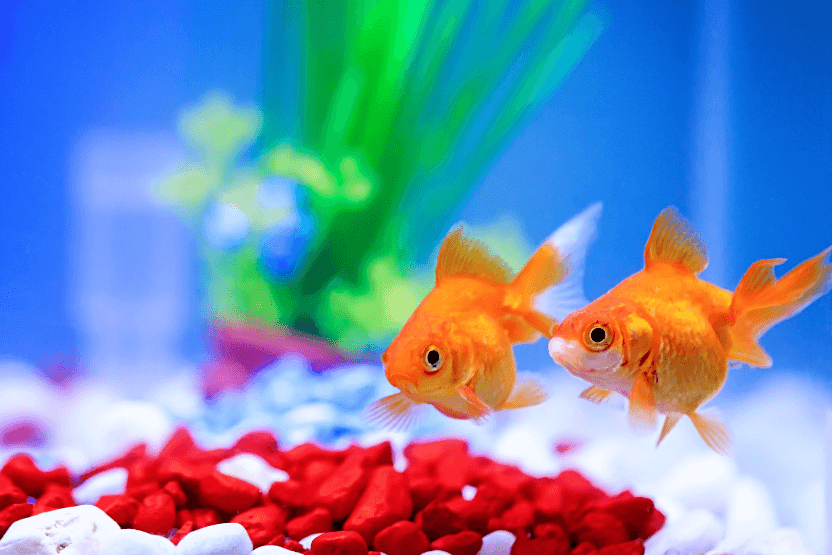
Goldfish often get a bad rap for being “easy,” but they’re actually quite resilient if given space—think of them as the laid-back uncles of the fish world. Bettas, with their flowing fins, add drama without much fuss, though they prefer solo living to avoid fin-nipping feuds. Guppies multiply like rabbits, offering a colorful, lively show that’s perfect for watching nature’s cycle unfold.
Factors to Consider When Selecting Fish
Tank size matters more than you think; overcrowding leads to stress and disease faster than a bad family reunion. Compatibility is key—mix peaceful community fish like neon tetras with others of similar temperament to prevent any underwater drama. Budget for ongoing costs too, as some species need specific foods or heaters to stay happy.
- Goldfish: Hardy, but need large tanks (20 gallons minimum for one).
- Bettas: Stunning colors, thrive in 5-10 gallon setups with heaters.
- Guppies: Easy breeders, ideal for 10+ gallon community tanks.
- Neon Tetras: Schooling fish, add vibrant blue and red flashes.
- Corydoras Catfish: Bottom-dwellers that clean up scraps, very peaceful.
Here’s a quick comparison table of beginner fish:
| Fish Species | Tank Size (Min) | Water Temp (°F) | Care Level | Lifespan (Years) |
|---|---|---|---|---|
| Goldfish | 20 gallons | 65-75 | Easy | 10-30 |
| Betta | 5 gallons | 76-82 | Easy | 3-5 |
| Guppy | 10 gallons | 72-82 | Very Easy | 2-3 |
| Neon Tetra | 10 gallons | 70-81 | Easy | 5-8 |
| Corydoras | 20 gallons | 72-78 | Easy | 5-10 |
Pros of starting with these: They’re forgiving for newbies, inexpensive, and readily available at local pet stores like Petco or online from sites like LiveAquaria. Cons? Some, like goldfish, produce a lot of waste, demanding more frequent cleanings.
If you’re wondering where to get these, head to reputable spots like your local aquarium shop or trusted online retailers—avoid fairground prizes that often come stressed and sickly.
Setting Up Your Aquarium
Picture this: I set up my first real tank in a rush, skipped the cycling step, and woke up to a cloudy mess that looked like pea soup. Lesson learned—proper setup is the foundation of happy fish. Start with a clean slate, choosing gear that matches your space and budget for a stress-free start.
Essential Equipment for a Basic Setup
A sturdy tank stand prevents disasters, while a reliable filter keeps water crystal-clear—think of it as your fish’s personal housekeeper. Heaters maintain steady temps, crucial for tropical species, and LED lights mimic natural daylight without encouraging algae blooms. Don’t forget a gravel vacuum for easy substrate cleaning.
Step-by-Step Aquarium Assembly
Rinse everything thoroughly to remove dust, then layer in substrate like gravel or sand for a natural base. Install the filter and heater next, filling the tank with dechlorinated water to avoid shocking your future residents. Add decorations like plants or caves for hiding spots—fish love a good nook to chill in.
- Rinse tank and decor with warm water (no soap!).
- Add substrate: 1-2 inches deep.
- Install filter, heater, and thermometer.
- Fill with treated water; let settle 24-48 hours.
- Cycle the tank: Use bacteria starters for faster results.
For the best tools, consider brands like Aqueon for filters or Fluval for heaters—available at stores like PetSmart. Pros of a good setup: Healthier fish, less maintenance. Cons: Initial cost can add up, but it’s a one-time investment.
Navigational tip: Check out aquarium kits from Marineland for beginners—they bundle everything you need in one box.
Water Quality and Maintenance
Water is to fish what air is to us, and poor quality turns paradise into a nightmare—I learned this the hard way when ammonia spikes wiped out half my tetras. Regular testing and changes keep parameters in check, ensuring your fish swim strong.
Understanding Key Water Parameters
pH should hover between 6.5-7.5 for most freshwater fish, while ammonia and nitrites need to stay at zero to prevent burns. Nitrates under 40 ppm are ideal; use test kits like API Master Test Kit for accurate reads. Temperature stability prevents stress—sudden drops can invite illness.
Cycling Your Tank: The Nitrogen Cycle Explained
This process builds beneficial bacteria to break down waste, taking 4-6 weeks naturally or faster with boosters. Add ammonia sources like fish food to kickstart it, monitoring levels daily. Once cycled, your tank becomes a self-sustaining ecosystem, reducing future headaches.
- Test weekly: pH, ammonia, nitrite, nitrate.
- Change 20-30% water weekly.
- Use conditioners like Prime to neutralize chlorine.
- Avoid overstocking to maintain balance.
Comparison: Natural cycling vs. seeded—seeded is quicker but requires live bacteria from established tanks.
Pros of maintenance routines: Crystal-clear water, vibrant fish. Cons: Time-consuming at first, but it becomes second nature.
For testing kits, grab them from Amazon or your local fish store—essential for any setup.
Feeding Your Fish Properly
Overfeeding is the silent killer; I once turned my tank into a buffet, leading to bloated fish and murky water—lesson: less is more. Feed what they can eat in 2-3 minutes, varying diet for nutrition like a balanced human meal.
Types of Fish Food and When to Use Them
Flakes suit surface feeders like guppies, while pellets sink for bottom-dwellers like corys. Live or frozen foods like brine shrimp add excitement and nutrients, but use sparingly to avoid pollution. Herbivores need algae wafers; carnivores thrive on protein-rich options.
Feeding Schedules and Portion Control
Most fish do well with once or twice daily feedings—skip a day weekly to mimic nature. Watch for eager eating; leftover food signals overdoing it. Adjust for species: Goldfish love veggies, bettas prefer meaty treats.
- Flakes: Daily staple for community tanks.
- Pellets: For mid-water swimmers.
- Frozen: Treats 1-2 times weekly.
- Veggies: Blanched zucchini for herbivores.
Pros: Proper feeding boosts colors and health. Cons: Easy to overfeed, leading to obesity.
Best tools? Automatic feeders from Eheim for vacations—find them online for consistent portions.
Common Fish Diseases and Prevention
Nothing tugs at the heartstrings like a sick fish—I still regret not quarantining a new addition that spread ich like wildfire. Spotting early signs and acting fast saves lives; prevention through clean water is your best defense.
Identifying Symptoms of Popular Ailments
Ich shows as white spots, like salt grains on skin—fish scratch against rocks. Fin rot frays edges, often from bacterial infections in dirty water. Swim bladder issues cause floating or sinking, linked to overfeeding or constipation.
Treatment Options and Quarantine Tips
For ich, raise temp to 82°F and add salt or meds like Ich-X. Quarantine new fish for 2 weeks in a separate tank to catch problems early. Always treat the whole tank if disease spreads, following label doses carefully.
- Ich: White spots, flashing behavior.
- Fin Rot: Ragged fins, lethargy.
- Dropsy: Swollen belly, pineconing scales.
- Fungus: Cotton-like growths.
Pros of prevention: Fewer losses, happier hobby. Cons: Meds can stress fish if misused.
Comparison: Natural remedies (salt, heat) vs. chemical—natural for mild cases, chemicals for severe.
Stock up on treatments from brands like Seachem at pet stores.
Daily and Weekly Care Routines
Consistency is key; my routine evolved from chaotic to clockwork, turning fishkeeping into a relaxing ritual. Daily checks spot issues early, while weekly tasks keep the ecosystem humming.
Everyday Checks and Adjustments
Glance at your fish for normal behavior—active swimming, no gasping. Feed appropriately, skim debris, and top off evaporated water. Check heater and filter function; a quick peek prevents big problems.
Weekly Maintenance Tasks
Water changes refresh the tank—siphon 25% out, replacing with treated water. Clean glass with algae scrapers, test parameters, and prune plants. Vacuum substrate to remove waste buildup.
- Daily: Observe, feed, top off.
- Weekly: Change water, test, clean.
- Monthly: Replace filter media if needed.
Pros: Builds habit, extends fish life. Cons: Skimping leads to crashes.
For tools like siphons, Python No Spill is a game-changer—available widely.
People Also Ask
Drawing from common queries folks search on Google, here are real questions about fish care with quick, helpful answers.
What are the easiest fish to care for?
Bettas and guppies top the list for low-maintenance vibes—they’re hardy and don’t demand massive tanks.
How often should I clean my fish tank?
Aim for partial water changes weekly; full cleanings aren’t needed if balanced properly.
Can fish live in tap water?
Yes, but treat it first with conditioners to remove chlorine—untreated water can harm gills.
What do I do if my fish is sick?
Isolate if possible, diagnose symptoms, and treat accordingly—consult vets for tough cases.
How many fish can I put in my tank?
Follow the one-inch-per-gallon rule loosely, adjusting for species and filtration.
FAQ
How do I know if my fish are happy?
Look for active swimming, bright colors, and eager feeding—stressed fish hide or gasp at the surface.
What’s the best way to introduce new fish?
Acclimate them slowly: Float the bag in your tank for 15-20 minutes, then add tank water gradually before releasing.
Do fish need light at night?
No, turn off lights for 8-12 hours to mimic day/night cycles—constant light stresses them.
How long can fish go without food?
Most can handle 3-7 days, but don’t make it a habit; use vacation feeders for trips.
Where can I buy quality fish food?
Online at Chewy or in-store at PetMD-recommended spots for fresh, varied options.
Wrapping up, fish care is more art than science, blending patience with a bit of trial and error. My journey from that ill-fated goldfish to multiple thriving tanks taught me the joy of watching life flourish under your watch. Stick to these tips, stay curious, and you’ll create an aquarium that’s not just a display, but a living story. If you hit snags, communities like Reddit’s r/Aquariums are goldmines. Happy fishkeeping—may your waters always be clear!