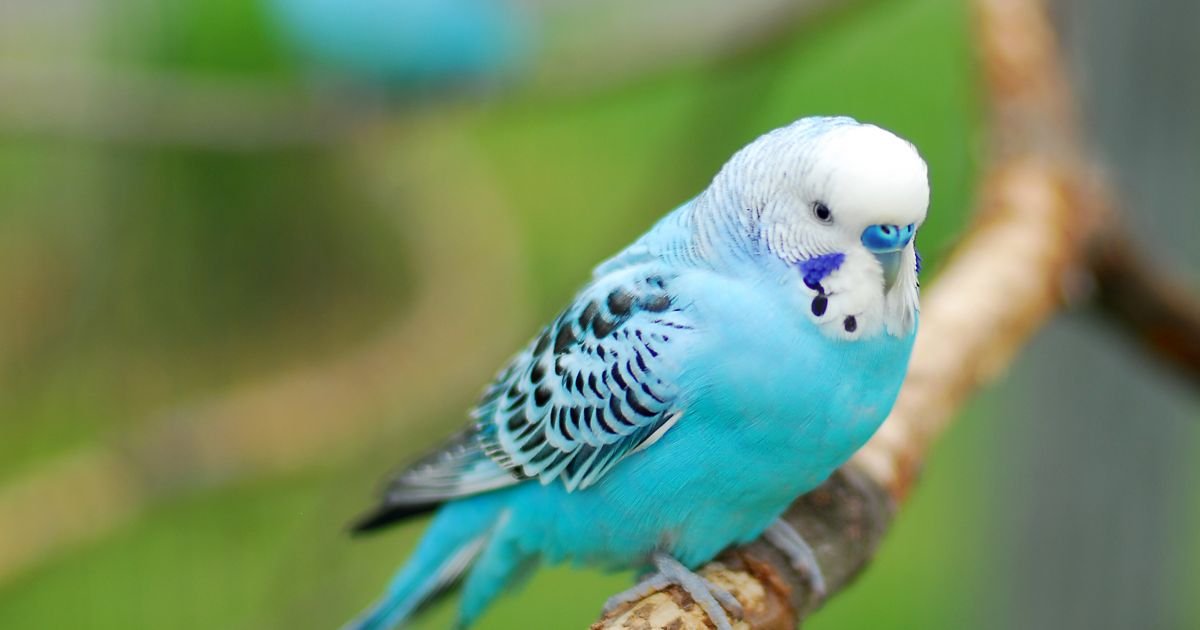
Owning a pet bird is like inviting a tiny, feathered friend into your home—a friend who sings, dances, and occasionally makes a mess of their seed bowl. But ensuring your bird lives a happy, healthy, and fulfilling life takes more than just a cage and some food. From my own experience with my cockatiel, Sunny, who’s been my cheerful companion for years, I’ve learned that birds thrive on care, stimulation, and love. In this guide, we’ll explore how to create an enriching environment for your pet bird, covering everything from nutrition to socialization, with practical tips to make their life as vibrant as their feathers.
Understanding Your Bird’s Needs
Birds are intelligent, social creatures with complex needs that go beyond basic survival. Whether you have a budgie, parrot, or finch, meeting their physical, mental, and emotional requirements is key to their well-being. Think of your bird as a tiny family member who needs a balanced life just like you do.
Physical Health: The Foundation of a Good Life
A healthy bird is a happy bird. Regular veterinary checkups, a clean environment, and proper nutrition form the cornerstone of their physical well-being. Neglecting these can lead to issues like feather plucking or illness, which I’ve seen happen when Sunny’s diet wasn’t quite right.
Mental Stimulation: Keeping Their Minds Sharp
Birds are smart—sometimes smarter than we give them credit for. Without mental challenges, they can become bored or stressed, leading to behaviors like screaming or chewing their feathers. Providing toys and activities keeps their curious minds engaged.
Emotional Well-Being: Building a Bond
Birds form deep emotional connections with their owners. My cockatiel, Sunny, gets visibly excited when I walk into the room, bobbing his head like he’s ready to party. Spending quality time with your bird strengthens this bond and makes them feel secure.
Choosing the Right Cage
The cage is your bird’s home, so it needs to be spacious, safe, and comfortable. A cramped or poorly designed cage can stress your bird out, while a well-equipped one becomes their personal playground.
Size Matters
A cage should be large enough for your bird to spread its wings, hop around, and play without feeling confined. For small birds like budgies, a minimum of 18x18x24 inches is recommended; larger birds like parrots need even more space. I learned this the hard way when Sunny’s first cage was too small, and he seemed restless until I upgraded.
Table: Minimum Cage Sizes for Common Pet Birds
| Bird Type | Minimum Cage Size (inches) | Notes |
|---|---|---|
| Budgie | 18 x 18 x 24 | Wider is better for flying space |
| Cockatiel | 20 x 20 x 24 | Needs room for crest and tail |
| Lovebird | 24 x 24 x 24 | Active birds need extra space |
| African Grey | 36 x 24 x 48 | Larger for intelligent parrots |
Cage Features to Look For
Choose a cage with horizontal bars for climbing, secure latches, and easy-to-clean materials. Stainless steel or powder-coated cages are durable and safe. Avoid cages with sharp edges or toxic coatings, as birds love to chew.
Where to Get Quality Cages
Pet stores like Petco or Chewy offer a range of bird cages, but I’ve found local pet shops often have unique, high-quality options. Online retailers like Amazon also stock cages with customer reviews to guide your choice. Check for brands like Prevue Hendryx or A&E Cage Company for reliable designs.
Nutrition: Feeding for Health and Happiness
A bird’s diet directly impacts its health, energy, and even mood. I once fed Sunny a seed-only diet, thinking it was enough, only to notice his feathers looking dull. A vet visit taught me the importance of variety.
Balanced Diet Components
A proper diet includes pellets, fresh fruits, vegetables, and occasional seeds or nuts. Pellets should make up 60-70% of their diet, as they’re formulated for complete nutrition. Fruits and veggies add vitamins, while seeds are like dessert—tasty but not the main course.
Pros and Cons of Common Bird Foods
| Food Type | Pros | Cons |
|---|---|---|
| Pellets | Nutritionally complete, long shelf life | Can be boring for birds |
| Seeds | High in fat, birds love them | Lacks nutrients, can lead to obesity |
| Fruits | Rich in vitamins, hydrating | Spoils quickly, sticky mess |
| Vegetables | Nutrient-dense, low in sugar | Some birds are picky eaters |
Foods to Avoid
Never feed your bird avocado, chocolate, caffeine, or salty snacks—these are toxic. I once caught Sunny eyeing my coffee, and let’s just say I’m glad I moved it in time. Always double-check before sharing human foods.
Best Tools for Feeding
Invest in stainless steel or ceramic food and water dishes, as they’re easy to clean and don’t harbor bacteria. Automatic feeders, like those from Petmate, can ensure consistent portions, especially if you’re away during the day. For fresh produce, try a veggie skewer to make eating fun.
Enrichment: Keeping Your Bird Engaged
Birds need mental stimulation to avoid boredom, which can lead to destructive behaviors. Watching Sunny shred a paper toy or solve a simple puzzle is proof of how much birds crave activity.
Toys for Every Bird
Toys come in various types: foraging, shredding, climbing, and noise-making. Rotate toys weekly to keep things fresh. For example, Sunny loves his bell toy but gets bored if it’s always there. DIY toys, like cardboard rolls stuffed with treats, are budget-friendly and fun.
Bullet Points: Toy Ideas for Birds
- Foraging Toys: Hide treats in puzzle toys to mimic natural foraging.
- Shredding Toys: Paper or wood toys for birds that love to chew.
- Mirrors: Great for social birds like budgies, but use sparingly to avoid obsession.
- Bells and Rattles: Perfect for noise-loving birds like cockatiels.
Training and Tricks
Teaching your bird tricks, like stepping up or waving, stimulates their brain and strengthens your bond. I spent weeks teaching Sunny to whistle a tune, and now he’s the star of every family gathering. Use positive reinforcement with treats and praise.
Where to Find Bird Toys
Pet stores like PetSmart carry a variety of toys, but Etsy has unique, handmade options. For foraging toys, check out brands like Planet Pleasures or Caitec. Always ensure toys are bird-safe, with no small parts that could be swallowed.
Socialization: Building a Trusting Relationship
Birds are flock animals, so they crave interaction. A lonely bird is an unhappy bird, and I’ve seen Sunny perk up just from a few minutes of chatting or singing together.
Spending Quality Time
Set aside daily time to talk, sing, or play with your bird. Even busy days call for at least 15-20 minutes of interaction. I find that reading aloud to Sunny (yes, really!) calms him and makes him feel included.
Introducing Other Pets
If you have other pets, introduce them slowly and safely. Sunny was terrified of my cat at first, but gradual exposure (with the cat at a distance) helped him relax. Never leave them unsupervised together.
Socializing with Other Birds
If your bird enjoys company, consider a second bird, but research compatibility. Lovebirds, for example, can be territorial. A local aviary or bird club can offer playdates or advice on multi-bird households.
Health and Hygiene: Keeping Your Bird in Top Shape
A clean environment and regular health checks are non-negotiable for a bird’s longevity. I learned this when Sunny developed a minor respiratory issue from a dusty cage.
Regular Cleaning
Clean the cage daily, removing droppings and uneaten food. Deep-clean weekly with bird-safe disinfectants like F10SC. A clean cage prevents infections and keeps your bird comfortable.
Veterinary Care
Find an avian vet for annual checkups. Signs of illness, like lethargy or changes in droppings, need immediate attention. I keep a vet’s number handy after Sunny’s scare with a respiratory infection.
Grooming Needs
Trim nails and wings (if needed) with care, or have a vet do it. Bathing is also key—offer a shallow dish of water or a gentle mist. Sunny loves splashing in his “birdie bathtub,” and it keeps his feathers pristine.
Safe Environment: Protecting Your Feathered Friend
Birds are delicate, and their environment must be free of hazards. I once found Sunny chewing on a houseplant, which led to a frantic Google search to ensure it wasn’t toxic.
Household Hazards
Keep your bird away from non-stick cookware fumes, candles, and toxic plants like philodendrons. Ensure windows and mirrors are covered to prevent collisions. A bird-proofed home is a safe home.
Temperature and Lighting
Maintain a temperature between 65-80°F and provide natural or full-spectrum lighting to mimic daylight. Sunny’s mood visibly improves with morning sunlight streaming into his room.
Safe Out-of-Cage Time
Let your bird explore outside the cage daily in a secure area. Supervise closely to prevent accidents. I set up a bird-safe corner with perches and toys for Sunny’s “outdoor” adventures.
People Also Ask (PAA) Section
How do I know if my bird is happy?
A happy bird is active, vocal, and engaged, with bright eyes and smooth feathers. Look for behaviors like singing, playing, or preening comfortably. If your bird is lethargic or plucking feathers, it may need more stimulation or a vet visit.
What foods are toxic to birds?
Avocado, chocolate, caffeine, alcohol, and salty foods are toxic to birds. Always research before offering human foods. Stick to bird-safe fruits and veggies like apples or carrots for treats.
How often should I clean my bird’s cage?
Clean the cage daily by removing droppings and food debris. Do a full clean weekly, disinfecting with bird-safe products. A clean cage prevents health issues and keeps your bird happy.
Can pet birds live alone?
Many birds, like budgies or cockatiels, can live alone if given enough human interaction. However, highly social species like lovebirds may benefit from a companion. Observe your bird’s behavior to decide.
FAQ Section
How long do pet birds typically live?
Lifespans vary by species: budgies live 5-10 years, cockatiels 15-20 years, and larger parrots like African Greys can live 50+ years with proper care. Diet, environment, and vet care play a big role.
What’s the best way to bond with my bird?
Spend daily time talking, playing, or training with positive reinforcement. Be patient—trust takes time. Sunny took months to warm up to me, but now he’s my little shadow.
How much does it cost to care for a pet bird?
Costs range from $200-$1,000 annually, depending on the bird’s size, diet, and vet needs. Budget for food, toys, and a quality cage. Emergency vet visits can add up, so plan ahead.
Where can I find bird-safe toys and supplies?
Petco, Chewy, and Amazon offer bird-safe products. For unique toys, check Etsy or specialty brands like Planet Pleasures. Always verify materials are non-toxic and bird-appropriate.
How do I know if my bird needs a vet?
Signs include lethargy, changes in eating or droppings, fluffed-up feathers, or breathing issues. If Sunny ever stops his usual chirping, I book a vet appointment immediately.
Conclusion
Helping your pet bird live a good life is about creating a world where they feel safe, stimulated, and loved. From choosing the right cage to offering a varied diet and plenty of playtime, every detail matters. My journey with Sunny has taught me that patience and attention transform a bird’s life from ordinary to extraordinary. By following these tips—backed by research and a sprinkle of personal experience—you’ll give your feathered friend the vibrant, joyful life they deserve. So, grab a toy, share a song, and watch your bird soar with happiness.