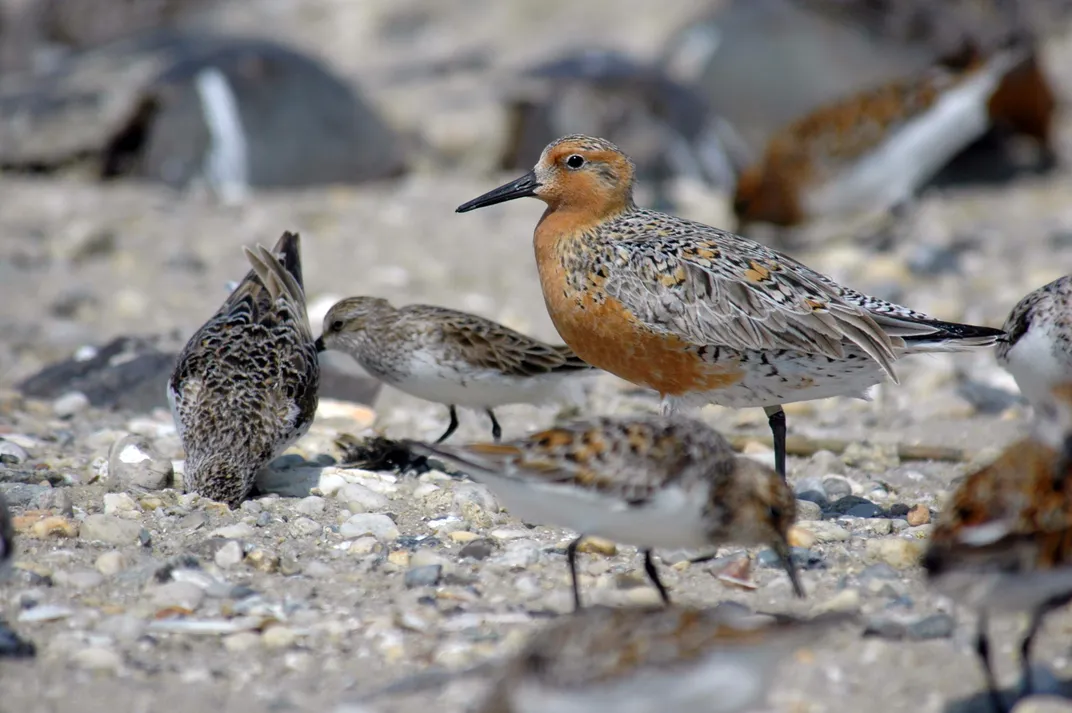
The Alarming Decline of North American Birds
Imagine waking up to a world without the cheerful chirp of a sparrow or the vibrant flash of a Baltimore oriole. It’s a reality we’re inching closer to, as recent studies reveal a staggering loss of nearly 3 billion birds in North America since 1970—a 29% decline. This isn’t just about losing pretty feathers; it’s a signal that our ecosystems are in trouble, and we’re all part of the story.
Why Are Birds Disappearing?
Habitat Loss: The Silent Destroyer
Birds are losing their homes faster than a suburban neighborhood losing its trees to a new housing development. Forests are cleared for agriculture, grasslands are paved for urban sprawl, and wetlands are drained for development. This habitat loss leaves birds like the wood thrush and greater sage grouse with nowhere to nest, feed, or raise their young.
Climate Change: A Growing Threat
Rising temperatures are shifting the ranges where birds can survive. The National Audubon Society’s 2019 report found that two-thirds of North American bird species—389 out of 604—are at risk of extinction if global warming reaches 3°C. From Arctic shorebirds to backyard favorites like the common loon, climate change is forcing birds to adapt to new conditions or face extinction.
Pesticides and Pollution: Invisible Killers
Pesticides like neonicotinoids don’t just kill insects; they starve birds that rely on them for food. A study showed that migrating sparrows exposed to low doses of these chemicals lost weight and delayed their journeys, reducing their chances of survival. Pollution, from plastic waste to oil spills, further chokes the life out of avian populations.
Cats and Collisions: Human-Made Hazards
Your fluffy housecat might be a bird’s worst nightmare. Cats kill an estimated 2.4 billion birds annually in the U.S. and Canada. Add to that the billion birds that die crashing into windows each year, mistaking reflections for open skies. These human-made hazards are decimating even common species like sparrows and blackbirds.
The Scale of the Crisis
A Staggering Loss: 3 Billion Birds Gone
Since 1970, North America has lost 2.9 billion birds, a number so vast it’s hard to grasp. That’s one in four birds gone in just 50 years. Grassland species, like meadowlarks and bobolinks, have been hit hardest, with populations dropping by over 50%. Even species we think of as abundant, like red-winged blackbirds, are declining at alarming rates.
Tipping Point Species: On the Edge
Over 70 species are at their “tipping point,” meaning they’ve lost at least 50% of their population and are on track to lose the rest without urgent action. The saltmarsh sparrow, listed as endangered in 2020, is one example, struggling against rising sea levels that flood its coastal habitat. These species are the canaries in our ecological coal mine.
Table: Key Statistics on North American Bird Declines
| Category | Statistic |
|---|---|
| Total Birds Lost | 2.9 billion since 1970 (29% decline) |
| Species at Risk | 389 out of 604 (64%) due to climate change |
| Grassland Species Decline | Over 50% loss since 1970 |
| Tipping Point Species | Over 70 species |
| Annual Bird Deaths (Cats) | 2.4 billion in U.S. and Canada |
| Annual Bird Deaths (Windows) | 1 billion in U.S. and Canada |
Why Birds Matter
Ecosystem Engineers: More Than Just Pretty Songs
Birds aren’t just here to look cute on your feeder. Blue jays, for example, are ecosystem engineers, spreading acorns that grow into oak forests. Hummingbirds pollinate plants, ensuring our fruits and vegetables thrive. Without birds, ecosystems unravel, impacting everything from crop yields to forest health.
Cultural and Economic Value
Birdwatching isn’t just a hobby; it’s a $279 billion industry in the U.S., supporting 1.4 million jobs. From the Baltimore oriole’s vibrant hues to the haunting call of the common loon, birds enrich our lives and connect us to nature. Losing them would leave a cultural void, like a summer without fireflies.
Personal Stories: A Birder’s Perspective
I’ll never forget the summer I spent in northern Wisconsin, where my grandfather pointed out a common loon gliding across the lake. Its red eyes and eerie call felt like a secret shared between us and the wilderness. Now, learning that loons could vanish from the U.S. in my lifetime hits hard. It’s not just about one bird—it’s about losing the moments that tie us to the natural world.
What’s Being Done to Save Birds?
Conservation Success Stories
There’s hope amid the gloom. Conservation efforts have brought back species like the bald eagle, once on the brink of extinction due to DDT. Wetland restoration has boosted duck and goose populations, proving that targeted action works. These successes show we can turn the tide if we act now.
Federal Protections: The Migratory Bird Treaty Act
The Migratory Bird Treaty Act protects over 1,000 bird species, ensuring their habitats and migration routes are safeguarded. However, recent regulatory changes have weakened these protections, allowing industries to destroy habitats without liability. Strengthening these laws is critical to saving birds.
Citizen Science: Birders to the Rescue
Programs like Audubon’s Climate Watch and eBird empower everyday birders to track populations and share data with scientists. These efforts help monitor species like the dark-eyed junco, revealing how climate change is shifting their ranges. You don’t need a PhD to make a difference—just a pair of binoculars and a passion for birds.
How You Can Help
Simple Actions for Individuals
You don’t have to be a superhero to save birds. Small changes can have a big impact. Here’s how you can start today:
- Keep Cats Indoors: Prevent your feline friend from hunting birds. Indoor cats live longer, too!
- Make Windows Bird-Safe: Use decals or screens to stop birds from crashing into glass.
- Plant Native Species: Create bird-friendly yards with plants like milkweed or sunflowers that provide food and shelter.
- Reduce Pesticide Use: Opt for organic gardening to protect the insects birds rely on.
- Join Citizen Science: Participate in programs like the Christmas Bird Count to help track bird populations.
Advocacy and Community Involvement
Get loud about bird conservation! Write to your local representatives to support stronger environmental laws, like the Endangered Species Act. Join local Audubon chapters or volunteer at national parks to restore habitats. Your voice can amplify the call for change.
Where to Get Involved
- National Audubon Society: Offers resources and volunteer opportunities at www.audubon.org.
- American Bird Conservancy: Focuses on protecting at-risk species at www.abcbirds.org.
- eBird: A global database for bird sightings, accessible at www.ebird.org.
Comparison: Conservation Strategies
Individual vs. Policy-Level Actions
| Action Type | Pros | Cons |
|---|---|---|
| Individual Actions | Easy to implement, immediate impact, low cost | Limited scale, requires widespread adoption |
| Policy-Level Actions | Broad impact, long-term change, enforceable | Slow to implement, political resistance |
Individual actions, like planting native species, are quick and empowering but can’t match the scale of policy changes, like habitat restoration funding. Combining both is key to saving birds.
Best Tools for Bird Conservation
Apps and Resources for Birders
- Merlin Bird ID: A free app from Cornell Lab to identify birds by sight or sound. Perfect for beginners.
- eBird Mobile: Log your bird sightings and contribute to global research.
- Audubon Bird Guide: Offers detailed info on species and conservation tips.
- Bird-Safe Window Products: Brands like WindowAlert sell decals to prevent collisions.
- Native Plant Finder: Audubon’s tool at www.audubon.org/native-plants helps you choose bird-friendly plants.
These tools make it easy to get involved, whether you’re spotting a warbler or redesigning your backyard for birds.
People Also Ask (PAA)
Why are so many birds going extinct?
Birds face multiple threats: habitat loss from deforestation and urbanization, climate change altering their ranges, pesticides reducing their food supply, and human-made hazards like cats and window collisions. Since 1970, North America has lost 2.9 billion birds due to these pressures.
Which North American birds are most at risk?
Species like the saltmarsh sparrow, greater sage grouse, and Baltimore oriole are among the 389 at risk of extinction due to climate change and habitat loss. Grassland and coastal species are particularly vulnerable, with over 70 at their tipping point.
How does climate change affect birds?
Climate change shifts bird habitats, forcing species to find new ranges where they may face new predators or unsuitable conditions. Rising sea levels, extreme weather, and changing food availability threaten 64% of North American bird species.
What can I do to help save birds?
You can keep cats indoors, make windows bird-safe, plant native species, reduce pesticide use, and join citizen science programs like eBird or Audubon’s Climate Watch. Advocacy for stronger environmental laws also makes a big difference.
FAQ
How many birds have been lost in North America since 1970?
Approximately 2.9 billion birds, or 29% of the total population, have disappeared since 1970, with grassland species facing the steepest declines.
Are any bird species recovering?
Yes, species like bald eagles and certain waterfowl have rebounded due to conservation efforts, such as DDT bans and wetland restoration. However, most species continue to decline.
How can I make my backyard bird-friendly?
Plant native species, avoid pesticides, install bird feeders with appropriate seed, and use window decals to prevent collisions. Native plants like milkweed attract insects that birds eat.
Why are birds important to ecosystems?
Birds pollinate plants, disperse seeds, control pests, and serve as indicators of environmental health. Their decline signals broader ecosystem issues that affect humans, too.
Where can I learn more about bird conservation?
Visit www.audubon.org, www.abcbirds.org, or www.ebird.org for resources, volunteer opportunities, and tools to support bird conservation.
A Call to Action
The loss of 3 billion birds is a wake-up call, but it’s not too late. Picture a future where your kids can still wake to the dawn chorus of robins and wrens. By taking small steps—like planting a native shrub or joining a bird count—and supporting bigger policies, we can save these feathered friends. Let’s not let the skies fall silent. Get involved, spread the word, and together, we can keep North America’s birds soaring.