Choosing a pet bird is like picking a new friend who sings, chats, or maybe even dances to your favorite tunes. With so many species out there, each with its own personality and quirks, finding the perfect feathered companion can feel overwhelming. Whether you’re a first-time bird owner or a seasoned avian enthusiast, this guide dives deep into the 10 best types of pet birds, offering insights into their care, personalities, and why they might be the right fit for your home. From colorful chatterboxes to cuddly companions, let’s explore the world of pet birds with a mix of practical advice, personal stories, and a sprinkle of humor to keep things light.
Why Choose a Pet Bird?
Pet birds bring joy, color, and life to any home. They’re low-maintenance compared to dogs or cats, don’t need daily walks, and can fit into small spaces like apartments. Plus, their songs and antics can brighten even the gloomiest day.
The Appeal of Feathered Friends
I’ll never forget the first time I heard my budgie, Sky, mimic the sound of my phone’s ringtone—it was like having a tiny, feathered prankster in the house! Birds offer companionship, entertainment, and even a bit of sass, making them unique pets. They’re also a great way to teach kids responsibility or add a spark of life to a quiet home.
Factors to Consider Before Getting a Pet Bird
Before diving into our top 10 list, let’s talk about what to consider when choosing a bird. Think about your lifestyle, space, and commitment level. Some birds live for decades, so this isn’t a decision to make on a whim.
Lifestyle Compatibility
Are you home often, or do you travel a lot? Birds like cockatiels thrive on interaction, while others, like canaries, are happy to sing solo. Consider how much time you can dedicate to bonding and care.
Space and Environment
Birds need room to spread their wings—literally. A spacious cage is a must, and some species, like macaws, demand more space than a studio apartment can offer. Ensure your home is bird-friendly, free from hazards like open windows or toxic plants.
Budget and Maintenance
Birds aren’t cheap. Beyond the initial cost, you’ll need to budget for food, toys, and vet care. My friend Sarah once underestimated the cost of keeping her parrot, only to discover that toys alone could rival a monthly coffee budget!
Lifespan and Commitment
Some birds, like parrots, can live 50+ years. Are you ready for a long-term relationship? If not, shorter-lived species like budgies might be a better fit.
The 10 Best Types of Pet Birds
Here’s our curated list of the 10 best pet birds, chosen for their personality, ease of care, and popularity among bird owners. Each comes with its own charm and challenges, so let’s break them down.
1. Budgerigar (Budgie)
Budgies are the pocket-sized rockstars of the bird world. These small parrots, often called parakeets in the U.S., are affordable, colorful, and full of personality.
- Size: 6–8 inches
- Lifespan: 5–10 years
- Personality: Playful, social, can learn to mimic words
- Care Level: Easy
Budgies are perfect for beginners. They’re low-maintenance, thrive in pairs, and can be taught simple tricks. I once trained my budgie to step onto my finger with just a week of millet bribes—talk about a quick learner!
Pros and Cons of Budgies
- Pros: Affordable, small size, easy to care for, trainable
- Cons: Can be noisy, may nip if not socialized
Where to Get a Budgie
Look for reputable breeders or rescue organizations. Petco or local shelters often have budgies ready for adoption. Always check for bright eyes and smooth feathers as signs of health.
2. Cockatiel
Cockatiels are the cuddly crooners of pet birds, known for their iconic crest and cheerful whistles. They’re a step up from budgies in size and personality.
- Size: 12–14 inches
- Lifespan: 15–20 years
- Personality: Affectionate, vocal, loves to whistle
- Care Level: Moderate
Cockatiels bond deeply with their owners. My neighbor’s cockatiel, Sunny, would whistle “Happy Birthday” on cue, making every gathering a mini-concert.
Pros and Cons of Cockatiels
- Pros: Friendly, great for families, can learn tunes
- Cons: Dusty feathers, requires daily interaction
Best Tools for Cockatiel Care
Invest in a roomy cage (at least 24x24x24 inches), perches of varying textures, and foraging toys to keep them entertained. A high-quality pellet diet like Harrison’s is a solid choice.
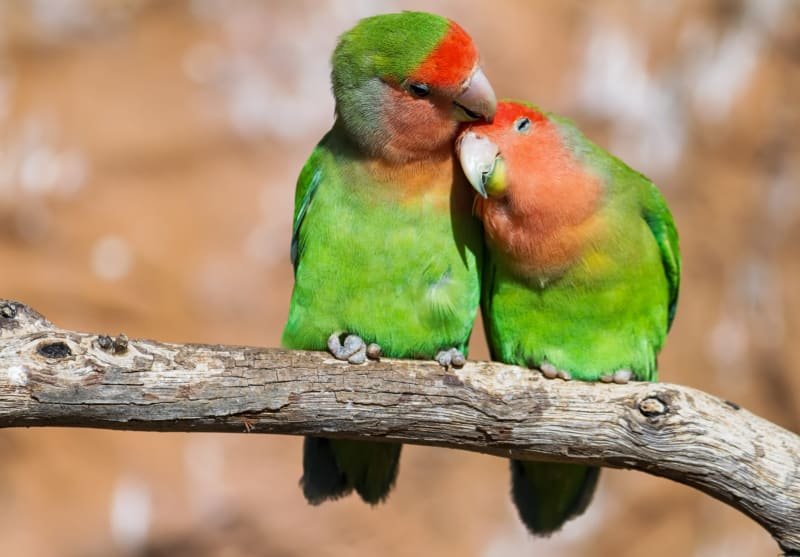
3. Lovebird
Lovebirds live up to their name with their affectionate nature, often forming strong bonds with their owners or a feathered partner. These pint-sized parrots are big on personality.
- Size: 5–7 inches
- Lifespan: 10–15 years
- Personality: Playful, loyal, can be feisty
- Care Level: Moderate
Lovebirds are best kept in pairs if you can’t give them daily attention. I knew a lovebird named Mango who’d snuggle up to his owner during movie nights—adorable but a bit clingy!
Pros and Cons of Lovebirds
- Pros: Vibrant colors, affectionate, compact size
- Cons: Can be territorial, noisy at times
Where to Get a Lovebird
Check with local breeders or avian rescues. Avoid pet stores with cramped cages, as stressed birds may have health issues.
4. African Grey Parrot
African Greys are the Einsteins of the bird world, renowned for their intelligence and ability to mimic human speech with uncanny accuracy.
- Size: 13–16 inches
- Lifespan: 40–60 years
- Personality: Highly intelligent, talkative, sensitive
- Care Level: Advanced
These parrots need mental stimulation and social interaction. A friend’s African Grey, Einstein, once mimicked her laugh so perfectly it fooled her husband!
Pros and Cons of African Greys
- Pros: Exceptional talkers, loyal, highly trainable
- Cons: Expensive, needs extensive care, prone to stress
Best Tools for African Grey Care
Provide puzzle toys, a large cage (36x24x48 inches minimum), and a varied diet with pellets, fruits, and veggies. Regular vet checkups are crucial for their long lifespan.
5. Cockatoo
Cockatoos are the drama queens of pet birds, with their striking crests and larger-than-life personalities. They’re cuddly but demand attention.
- Size: 12–24 inches
- Lifespan: 40–70 years
- Personality: Affectionate, loud, loves to dance
- Care Level: Advanced
Cockatoos are like toddlers with feathers—full of energy and emotions. My cousin’s cockatoo, Coco, would sway to music like a tiny backup dancer.
Pros and Cons of Cockatoos
- Pros: Loving, entertaining, great for experienced owners
- Cons: Very loud, destructive if bored, long-term commitment
Where to Get a Cockatoo
Adopt from a rescue or reputable breeder. Cockatoos often need rehoming due to their demanding nature, so check local sanctuaries.
6. Conure
Conures are the clowns of the bird world, known for their playful antics and bright colors. They’re smaller parrots with big personalities.
- Size: 10–12 inches
- Lifespan: 20–30 years
- Personality: Playful, vocal, loves to explore
- Care Level: Moderate
Conures are great for active households. I once saw a conure at a pet expo do a backflip for a treat—pure comedy gold!
Pros and Cons of Conures
- Pros: Fun-loving, colorful, moderately sized
- Cons: Can be noisy, needs regular exercise
Best Tools for Conure Care
A spacious cage, chew toys, and a pellet-based diet like Zupreem keep conures happy. Rotate toys weekly to prevent boredom.
7. Canary
Canaries are the songbirds of choice for those who love music over interaction. These small birds are low-maintenance and perfect for smaller spaces.
- Size: 5–8 inches
- Lifespan: 10–15 years
- Personality: Shy, melodious, independent
- Care Level: Easy
Canaries don’t need constant attention, making them ideal for busy owners. Their songs can turn your home into a mini opera house.
Pros and Cons of Canaries
- Pros: Beautiful singers, low-maintenance, small size
- Cons: Not very social, sensitive to drafts
Where to Get a Canary
Pet stores or breeders specializing in canaries are your best bet. Look for vibrant, active birds with clear voices.
8. Finch
Finches are tiny, flitting bundles of energy, perfect for those who want a low-touch pet with a lot of charm. They’re best kept in pairs or small groups.
- Size: 4–6 inches
- Lifespan: 5–10 years
- Personality: Active, social, quiet
- Care Level: Easy
Finches are like living decorations, darting around their cage in a colorful blur. They’re great for watching but not for cuddling.
Pros and Cons of Finches
- Pros: Quiet, low-maintenance, beautiful to watch
- Cons: Not interactive, needs companions
Best Tools for Finch Care
A wide cage for flight, seed-based diet, and nesting materials keep finches content. Avoid handling them too much to reduce stress.
9. Macaw
Macaws are the showstoppers of the bird world, with their vibrant feathers and larger-than-life personalities. They’re not for the faint of heart.
- Size: 30–40 inches
- Lifespan: 50–80 years
- Personality: Bold, intelligent, social
- Care Level: Advanced
Macaws need space and attention. A local pet store owner told me about a macaw that learned to say “I love you” to every customer—talk about a charmer!
Pros and Cons of Macaws
- Pros: Stunning colors, highly social, trainable
- Cons: Expensive, loud, requires large space
Where to Get a Macaw
Seek out ethical breeders or sanctuaries. Macaws are a significant investment, so research thoroughly to ensure proper care.
10. Parrotlet
Parrotlets are tiny parrots with big attitudes. They’re perfect for those who want a parrot’s personality in a smaller package.
- Size: 4–6 inches
- Lifespan: 15–20 years
- Personality: Feisty, playful, can mimic sounds
- Care Level: Moderate
Parrotlets are like mini macaws with less noise. They’re great for apartment dwellers who want a spirited companion.
Pros and Cons of Parrotlets
- Pros: Small size, big personality, relatively quiet
- Cons: Can be nippy, needs socialization
Best Tools for Parrotlet Care
A medium-sized cage, varied perches, and a diet of pellets and fresh produce keep parrotlets healthy. Puzzle toys are a must for their curious minds.
Comparison of the Top 10 Pet Birds
| Bird Type | Size (inches) | Lifespan (years) | Care Level | Noise Level | Best For |
|---|---|---|---|---|---|
| Budgie | 6–8 | 5–10 | Easy | Moderate | Beginners, small spaces |
| Cockatiel | 12–14 | 15–20 | Moderate | Moderate | Families, interactive owners |
| Lovebird | 5–7 | 10–15 | Moderate | High | Pairs, affectionate owners |
| African Grey | 13–16 | 40–60 | Advanced | Moderate | Experienced, patient owners |
| Cockatoo | 12–24 | 40–70 | Advanced | Very High | Dedicated, spacious homes |
| Conure | 10–12 | 20–30 | Moderate | High | Active, playful households |
| Canary | 5–8 | 10–15 | Easy | Low | Busy owners, small spaces |
| Finch | 4–6 | 5–10 | Easy | Low | Observation, low maintenance |
| Macaw | 30–40 | 50–80 | Advanced | Very High | Large spaces, committed owners |
| Parrotlet | 4–6 | 15–20 | Moderate | Moderate | Apartment dwellers, beginners |
This table helps you compare at a glance, but don’t just go by numbers. Think about your lifestyle and what you want from a pet bird—cuddles, songs, or a chatty companion?
People Also Ask (PAA) Section
Here are answers to common questions about pet birds, pulled from real Google searches to address your curiosities.
What is the friendliest pet bird?
Cockatiels and lovebirds top the list for friendliness. Cockatiels are gentle and love interaction, while lovebirds form strong bonds, especially in pairs. Both thrive on attention and can become cuddly companions with proper socialization.
Which pet bird is easiest to care for?
Budgies, canaries, and finches are the easiest to care for. Budgies are hardy and adaptable, canaries need minimal interaction, and finches are low-maintenance but prefer company. A good cage setup and consistent feeding make them a breeze.
What is the best talking pet bird?
African Greys are unmatched for talking ability, often learning hundreds of words and phrases. They mimic sounds with clarity and can even hold simple conversations. Consistent training and socialization are key to unlocking their potential.
Where can I buy a pet bird?
Reputable breeders, avian rescues, or trusted pet stores are your best options. Websites like Petfinder or local shelters can connect you with birds needing homes. Always verify the seller’s reputation and the bird’s health.
Are pet birds noisy?
Noise levels vary. Canaries and finches are quiet, while cockatoos and macaws can be ear-splitting. Budgies and conures fall in the middle. If noise is a concern, opt for a quieter species or soundproof your bird’s area.
FAQ Section
How much does it cost to own a pet bird?
Costs vary by species. Budgies might run $20–$50 upfront, with annual expenses around $200–$400 for food, toys, and vet care. Larger birds like macaws can cost $1,000–$3,000 initially, with yearly costs exceeding $1,000.
Do pet birds need a companion?
Some birds, like lovebirds and finches, thrive in pairs, while others, like canaries, are fine alone. Social birds like cockatiels and African Greys need human interaction if kept solo to prevent loneliness.
How do I choose the right bird cage?
Choose a cage at least twice the bird’s wingspan wide, with varied perches and space for toys. For example, a cockatiel needs a 24x24x24-inch cage minimum. Ensure bar spacing is safe (e.g., ½ inch for budgies).
Can pet birds be trained?
Yes, many birds, especially budgies, cockatiels, and African Greys, can learn tricks, words, or behaviors. Use positive reinforcement like treats and patience. Consistency is key—my budgie learned to wave in two weeks!
What should I feed my pet bird?
A balanced diet includes high-quality pellets (e.g., Kaytee or Harrison’s), fresh fruits, and vegetables. Avoid toxic foods like avocado or chocolate. Consult an avian vet for species-specific diets.
Tips for Choosing Your Perfect Pet Bird
- Match Your Lifestyle: Busy? Go for a canary or finch. Got time to bond? A cockatiel or African Grey might be your match.
- Consider Noise: Live in an apartment? Avoid loud birds like cockatoos. Test your tolerance with online bird sound videos.
- Visit Before Buying: Spend time with the species at a breeder or pet store to see if their personality clicks with yours.
- Plan for Long-Term Care: Research lifespans and ensure you’re ready for a decades-long commitment with parrots or macaws.
- Start Small: New to birds? Begin with a budgie or finch to learn the ropes before upgrading to a high-maintenance species.
Where to Learn More About Pet Birds
For deeper dives, check out resources like The Spruce Pets for care guides or Lafeber Company for nutrition tips. Join online communities like Reddit’s r/parrots for real owner experiences. Local avian vets or bird clubs can also offer hands-on advice.
Final Thoughts
Choosing a pet bird is a journey filled with chirps, cuddles, and maybe a few feathers on your couch. From the chatty African Grey to the melodic canary, there’s a bird for every home and heart. Take your time, do your research, and soon you’ll have a feathered friend bringing joy to your days. What bird are you leaning toward? Let their personality guide you to a lifelong bond.