Why Choose Saltwater Fish for Your Aquarium?
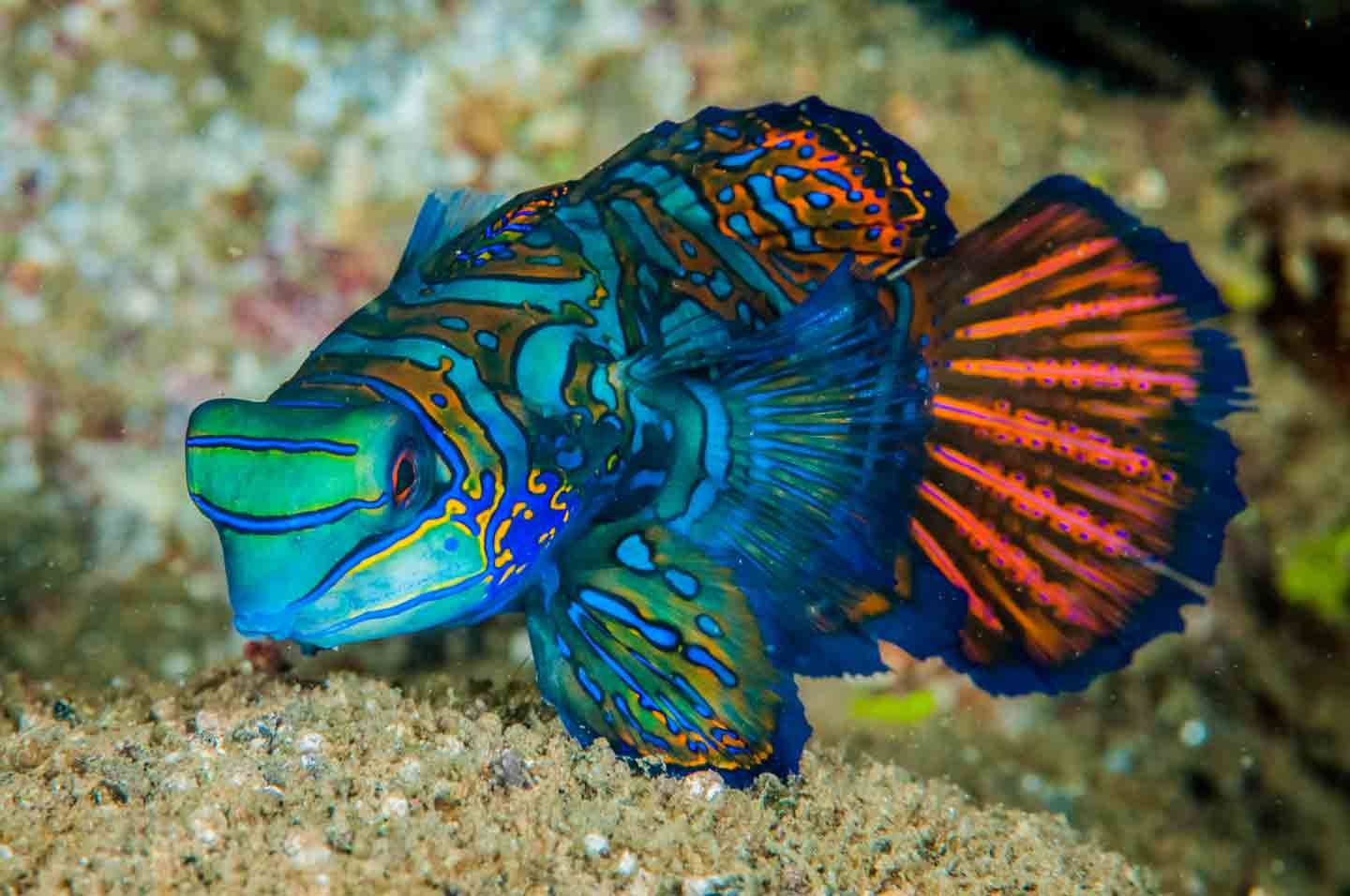
Diving into the world of saltwater aquariums is like stepping into a vibrant underwater universe. These fish, with their dazzling colors and unique behaviors, transform a tank into a living piece of art. Whether you’re a beginner or a seasoned aquarist, selecting the right fish is key to a thriving marine ecosystem. This guide explores 30 of the best saltwater fish, balancing beauty, ease of care, and compatibility to help you create a stunning tank.
What Makes a Great Saltwater Fish?
Choosing the right fish involves more than just picking the prettiest ones. Factors like temperament, tank size, diet, and reef compatibility play a huge role. A great saltwater fish should be hardy, adaptable, and able to coexist peacefully with tank mates. Let’s break down the top picks, starting with beginner-friendly options and moving to species suited for more experienced hobbyists.
Key Considerations for Selecting Saltwater Fish
Before stocking your tank, consider tank size, water parameters, and fish behavior. Smaller tanks (under 40 gallons) suit hardy, peaceful species, while larger setups can handle more territorial or demanding fish. Always check compatibility charts to avoid conflicts. Proper research ensures a healthy, vibrant aquarium.
Top 10 Beginner-Friendly Saltwater Fish
Ocellaris Clownfish (Amphiprion ocellaris)
The Ocellaris Clownfish, made famous by Finding Nemo, is a staple for beginners. Its bright orange body with black-lined white stripes is instantly recognizable. These fish are hardy, reef-safe, and thrive in pairs, often forming symbiotic bonds with anemones. A 20-gallon tank is sufficient, making them ideal for small setups.
Blue Reef Chromis (Chromis cyanea)
Blue Reef Chromis bring a splash of electric blue to your tank. These peaceful, schooling fish are hardy and perfect for beginners. They thrive in groups of 3–6 in a 30-gallon tank, swimming in the upper water column. Feed them a mix of flakes and frozen foods for vibrant health.
Yellowtail Blue Damselfish (Chrysiptera parasema)
With their vivid blue bodies and bright yellow tails, Yellowtail Blue Damselfish are eye-catching and hardy. They’re generally peaceful but can be territorial in smaller tanks. A 20-gallon tank with hiding spots works well for a single fish or small group.
Firefish Goby (Nemateleotris magnifica)
Firefish Gobies are small, peaceful, and reef-safe, with a striking yellow head and red-orange tail. They’re shy but adapt well to a 10-gallon tank with a secure lid to prevent jumping. Feed them a carnivorous diet of brine shrimp or pellets.
Royal Gramma (Gramma loreto)
Royal Grammas dazzle with their purple-to-yellow gradient. These hardy, peaceful fish are reef-safe and prefer a 30-gallon tank with rockwork for hiding. They’re territorial with their own kind, so keep them solo or in larger tanks.
Pajama Cardinalfish (Sphaeramia nematoptera)
Pajama Cardinalfish are colorful, peaceful, and perfect for small tanks. Their silver bodies with orange spots and black bands add visual flair. A 10-gallon tank suits them, and they thrive on a meat-based diet. Keep them with non-aggressive tank mates.
Bicolor Blenny (Ecsenius bicolor)
Bicolor Blennies are quirky, with a blue-brown front and orange tail. They’re reef-safe but may nip at corals if underfed. A 30-gallon tank with live rock suits their herbivorous diet and bottom-dwelling habits.
Lawnmower Blenny (Salarias fasciatus)
Known as algae eaters, Lawnmower Blennies are hardy and peaceful. Their mottled tan bodies blend into rockwork, and they need a 30-gallon tank with algae-rich surfaces. Supplement their diet with dried seaweed.
Green Chromis (Chromis viridis)
Green Chromis are hardy, schooling fish with shimmering green-blue bodies. They’re peaceful, reef-safe, and ideal for beginners in a 30-gallon tank. Feed them a varied diet of flakes and frozen foods for optimal health.
Tailspot Blenny (Ecsenius stigmatura)
Tailspot Blennies are small, hardy, and full of personality. Their vibrant colors and algae-eating habits make them great for nano tanks (10 gallons or more). They’re reef-safe and thrive with live rock for grazing.
Intermediate Saltwater Fish for Growing Aquariums
Flame Angelfish (Centropyge loricula)
Flame Angelfish are a fiery red-orange dwarf species, perfect for intermediate aquarists. They’re hardy but may nip at corals, so use caution in reef tanks. A 70-gallon tank with hiding spots suits them best.
Coral Beauty Angelfish (Centropyge bispinosa)
Coral Beauty Angelfish boast stunning blue and orange hues. They’re hardy and adapt well to a 70-gallon tank but may nip at corals. Feed them a mix of algae and meaty foods to keep them healthy.
Yellow Tang (Zebrasoma flavescens)
Yellow Tangs are iconic for their vibrant yellow bodies. They’re peaceful but need a 100-gallon tank due to their active swimming. These algae-eaters are reef-safe but can be aggressive with other tangs.
Blue Tang (Paracanthurus hepatus)
Known as “Dory,” Blue Tangs are bright blue with a yellow tail. They require a 180-gallon tank due to their size and activity level. Feed them a mix of algae and meaty foods to prevent health issues like ich.
Sixline Wrasse (Pseudocheilinus hexataenia)
Sixline Wrasses are vibrant with six blue-purple lines. They’re peaceful but can be aggressive toward new tank mates, so add them last in a 30-gallon tank. They’re reef-safe and thrive on a carnivorous diet.
Spotted Watchman Goby (Cryptocentrus cinctus)
Spotted Watchman Gobies are yellow with blue spots and often pair with pistol shrimp. They’re peaceful and reef-safe, needing a 30-gallon tank with a sandbed for burrowing. Feed them a carnivorous diet.
Sharknose Goby (Gobiosoma genie)
Sharknose Gobies are small, reef-safe cleaner fish with black stripes and a yellow-blue face. They thrive in a 20-gallon tank and eat parasites off larger fish. Their peaceful nature makes them great for community tanks.
Banggai Cardinalfish (Pterapogon kauderni)
Banggai Cardinalfish have striking black-barred patterns and elongated fins. They’re diurnal, peaceful, and reef-safe, thriving in a 30-gallon tank. Provide hiding spots and a varied meat-based diet.
Longnose Hawkfish (Oxycirrhites typus)
Longnose Hawkfish have a red checkerboard pattern and a pointed nose. They’re territorial but reef-safe, needing a 30-gallon tank with rockwork. Feed them a carnivorous diet and add them last to avoid aggression.
Lyretail Anthias (Pseudanthias squamipinnis)
Lyretail Anthias are colorful, social fish that thrive in groups. Males are vibrant pink, while females are orange. They need a 125-gallon tank and constant food in the water column, making them ideal for intermediate setups.
Advanced Saltwater Fish for Experienced Hobbyists
Emperor Angelfish (Pomacanthus imperator)
Emperor Angelfish are bold with blue-black masks and vibrant stripes. They need a 200-gallon tank and are not fully reef-safe due to their coral-nipping habits. Their size and personality demand experienced care.
Harlequin Tuskfish (Choerodon fasciatus)
Harlequin Tuskfish are aggressive with striking blue teeth and orange stripes. They require a 185-gallon tank with rocky hiding spots. Pair them with semi-aggressive tank mates and feed a carnivorous diet.
Marine Betta (Calloplesiops altivelis)
Marine Bettas are hardy, shy fish with a unique, spotted appearance. They need a 50-gallon tank and do best with larger, less active tank mates. Their resilience makes them suitable for advanced setups.
Sargassum Triggerfish (Xanthichthys ringens)
Sargassum Triggerfish are reef-safe and full of personality, known for their grunting sounds. They need a 125-gallon tank and thrive with peaceful tank mates. Feed them a varied carnivorous diet.
Lineatus Fairy Wrasse (Cirrhilabrus lineatus)
Lineatus Fairy Wrasses are rare, peaceful, and stunningly colorful. They’re reef-safe and thrive in a 90-gallon tank. Their high demand and active nature make them a prized addition for advanced aquarists.
Wreckfish (Pseudanthias dispar)
Wreckfish are sexually dimorphic, with colorful males and females. They need a 125-gallon tank and should be kept in schools of 3–6. Their vibrant colors and schooling behavior suit experienced hobbyists.
Dwarf Zebra Lionfish (Dendrochirus zebra)
Dwarf Zebra Lionfish are smaller than their cousins, needing only a 50-gallon tank. They’re hardy but predatory, so avoid small tank mates. Their striking appearance makes them a favorite for advanced setups.
Neon Dottyback (Pseudochromis aldabraensis)
Neon Dottybacks are vibrant and hardy but can be aggressive. They’re best in a 30-gallon tank with similar-sized, semi-aggressive fish. Their bold colors and energy suit experienced aquarists.
Yellowline Goby (Elacatinus figaro)
Yellowline Gobies are small, peaceful cleaner fish with a neon yellow stripe. They thrive in a 20-gallon tank and are reef-safe. Their parasite-eating habits make them a unique addition for advanced tanks.
Pink Skunk Clownfish (Amphiprion perideraion)
Pink Skunk Clownfish are less common but hardy and peaceful. They need a 30-gallon tank and thrive with anemones. Their subtle pink hues make them a sophisticated choice for advanced setups.
Comparison: Beginner vs. Intermediate vs. Advanced Fish
| Level | Fish Examples | Tank Size | Reef-Safe | Care Difficulty |
|---|---|---|---|---|
| Beginner | Ocellaris Clownfish, Blue Reef Chromis | 10–40 gallons | Yes | Easy |
| Intermediate | Flame Angelfish, Yellow Tang | 70–180 gallons | Mostly | Moderate |
| Advanced | Emperor Angelfish, Harlequin Tuskfish | 125+ gallons | No/Mostly | High |
Pros and Cons of Saltwater Fish Levels
Beginner Fish
Pros: Hardy, affordable, small tank requirements, peaceful.
Cons: Limited variety, some territorial behavior in small tanks.
Intermediate Fish
Pros: Vibrant colors, more dynamic behaviors, suitable for medium tanks.
Cons: Some coral-nipping, higher tank size needs, moderate aggression.
Advanced Fish
Pros: Stunning appearances, unique personalities, ideal for large setups.
Cons: High maintenance, aggressive tendencies, not always reef-safe.
Where to Get Saltwater Fish
You can find these fish at reputable online retailers like LiveAquaria, Saltwaterfish.com, or local aquarium stores like Pete’s Aquariums & Fish. Always choose captive-bred fish when possible, as they’re hardier and more sustainable. Check for guarantees, such as LiveAquaria’s 3-day guarantee, to ensure healthy arrivals.
Best Tools for Maintaining a Saltwater Aquarium
Essential Equipment
- Filter System: Use a sump with filter socks or an automatic filter roller for clean water.
- Lighting: LED lights like the Maxspect MJ-L165 offer customizable spectrums.
- Water Testing Kit: Hanna Instruments Reef Professional Kit ensures stable parameters.
- Protein Skimmer: Removes organic waste for clearer water.
- Heater/Chiller: Maintains ideal temperature (75–78°F for most species).
Maintenance Tips
Test water weekly for pH (8.0–8.4), ammonia (0 ppm), nitrite (0 ppm), and nitrate (<50 ppm for fish-only, <10 ppm for reefs). Perform 10% water changes biweekly and clean filter media regularly. Quarantine new fish to prevent disease.
People Also Ask (PAA)
What is the easiest saltwater fish to care for?
Ocellaris Clownfish are often cited as the easiest due to their hardiness, small size, and peaceful nature. They adapt well to a 20-gallon tank and accept a variety of foods.
Can you mix saltwater fish in one tank?
Yes, but compatibility is key. Use a compatibility chart to avoid aggressive pairings, and ensure tank size supports all species. Stock slowly to maintain biofilter stability.
What fish should beginners avoid?
Avoid aggressive or delicate species like Three-Spot Damselfish, Sixline Wrasse, or Seahorses, as they require specialized care or can disrupt tank harmony.
How much does it cost to start a saltwater aquarium?
A basic 20-gallon setup with equipment and fish can cost $500–$1,000. Ongoing costs include food, salt mix, and maintenance supplies. Check retailers like SaltwaterAquarium.com for deals.
Personal Story: My First Saltwater Tank
When I set up my first 30-gallon saltwater tank, I was mesmerized by the Ocellaris Clownfish pair I added. Their playful dance around a bubble-tip anemone felt like a tiny ocean drama unfolding daily. But I learned the hard way about overstocking—adding a Yellowtail Damselfish too soon led to some fin-nipping chaos! Patience and research saved my tank, and now it’s a thriving mini-reef. Trust me, start slow and savor the journey.
FAQ Section
What’s the best tank size for a beginner saltwater aquarium?
A 20–40-gallon tank is ideal for beginners. It’s large enough for hardy fish like Clownfish or Chromis but manageable for learning water chemistry.
Are saltwater fish harder to keep than freshwater fish?
Yes, saltwater fish require precise water parameters, like salinity and pH, and are less forgiving of mistakes. However, hardy species like Damselfish ease the transition.
How often should I feed my saltwater fish?
Most saltwater fish need feeding 1–2 times daily, with small portions they can consume in 2–3 minutes. Herbivores like Tangs may need frequent algae-based meals.
Can I keep corals with these fish?
Many listed fish, like Clownfish and Gobies, are reef-safe. However, species like Flame Angelfish may nip at corals, so research compatibility before mixing.
Where can I learn more about saltwater aquarium care?
Check resources like Saltwater Aquarium Blog or Bulk Reef Supply for guides, or join communities like r/ReefTank on Reddit for peer advice.
Final Thoughts
Building a saltwater aquarium is a rewarding adventure, blending art, science, and patience. From the iconic Ocellaris Clownfish to the majestic Emperor Angelfish, these 30 species offer something for every aquarist. Start with hardy beginners, maintain water quality, and gradually explore more challenging fish. Your tank will become a vibrant underwater world that captivates everyone who sees it.