Imagine standing by a serene lake, watching a trout glide through crystal-clear water, or casting a line into the ocean, hoping to reel in a vibrant snapper. Both experiences are thrilling, but the fish you’re chasing live in entirely different worlds. Freshwater and saltwater fish may share some similarities, but their environments, biology, and care requirements set them apart in fascinating ways. Whether you’re an angler, an aquarium enthusiast, or just curious about aquatic life, understanding these differences can deepen your appreciation for these remarkable creatures. In this article, we’ll dive into the key distinctions between freshwater and saltwater fish, exploring their habitats, behaviors, physiology, and more. By the end, you’ll know exactly what makes each group unique and how to engage with them, whether you’re fishing or setting up a tank.
What Are Freshwater Fish?
Freshwater fish are species that thrive in environments with low salt content, typically less than 1% salinity. These include lakes, rivers, ponds, and streams, where the water is naturally free of the high salt concentrations found in oceans. Think of bass darting through a quiet river or colorful bettas flaring their fins in a home aquarium. These fish have adapted to survive in environments where water is less dense and often more variable in temperature and flow.
Freshwater ecosystems are incredibly diverse, hosting about 40% of all fish species despite covering just 1% of Earth’s surface. From the tiny neon tetra to the massive Mekong giant catfish, these fish have evolved unique traits to navigate their dynamic habitats. For example, I once watched a school of minnows in a local creek effortlessly dodge rocks in fast-moving water—a testament to their agility in unpredictable environments.
What Are Saltwater Fish?
Saltwater fish, on the other hand, live in marine environments like oceans and seas, where salinity levels average around 3.5%. These fish, such as clownfish, tuna, or groupers, are built to handle the high salt content and denser water of their surroundings. Picture a coral reef teeming with vibrant angelfish or a marlin slicing through open ocean waves. Their world is vast, often stable in salinity but challenging in other ways, like dealing with strong currents or predators.
Marine environments support a staggering variety of fish, from tiny gobies to enormous whale sharks. These species have developed specialized adaptations to thrive in salty, buoyant water. I remember snorkeling in the Caribbean and being mesmerized by a parrotfish munching on coral—its vivid colors and unique behavior were unlike anything I’d seen in freshwater settings.
Key Biological Differences
Osmoregulation: The Battle with Salt
One of the most significant differences between freshwater and saltwater fish lies in how they manage water and salt in their bodies, a process called osmoregulation. Freshwater fish live in water with low salt content, so their bodies are saltier than their environment. To prevent water from flooding their cells, they actively excrete large amounts of dilute urine and absorb salts through their gills. Saltwater fish face the opposite challenge: their environment is saltier than their bodies, so they constantly lose water. They counteract this by drinking large amounts of seawater, excreting excess salts through specialized cells in their gills.
This physiological distinction is why you can’t just toss a goldfish into the ocean or a clownfish into a freshwater tank—they’d quickly succumb to osmotic stress. It’s like trying to run a car on the wrong fuel; the system just isn’t built for it.
Body Structure and Adaptations
Freshwater and saltwater fish also differ in their physical adaptations. Freshwater fish often have streamlined bodies to navigate swift currents or murky waters, like the sleek shape of a trout. Saltwater fish, especially those in open oceans, may have more robust, muscular builds to handle strong waves, like a tuna’s torpedo-like form. Reef-dwellers, such as angelfish, often sport flat, disc-shaped bodies to weave through coral.
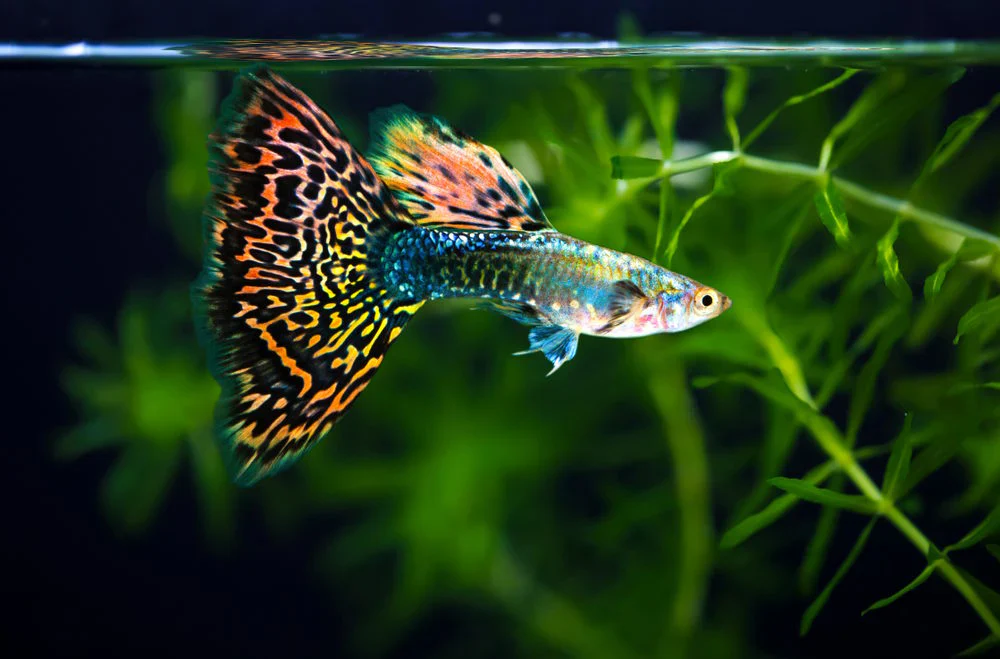
Coloration is another striking difference. Saltwater fish, particularly tropical species, often boast vibrant hues—think of a lionfish’s bold stripes. Freshwater fish, while sometimes colorful (like cichlids), often have more subdued tones suited to murky or plant-filled waters. I once kept a freshwater tank with guppies, and their subtle shimmer paled compared to the electric blues of a marine damselfish I saw at an aquarium shop.
Habitat and Environmental Differences
Freshwater Habitats
Freshwater fish inhabit a variety of ecosystems, from slow-moving ponds to raging rivers. These environments are often less stable than oceans, with fluctuations in temperature, oxygen levels, and water flow. For instance, a lake might freeze in winter, forcing fish like perch to adapt to cold, low-oxygen conditions. These habitats are also more susceptible to human impacts, like pollution or damming, which can drastically affect fish populations.
The diversity of freshwater habitats fosters unique behaviors. Catfish, for example, thrive in muddy riverbeds, using their whiskers to sense prey in low visibility. I once fished in a local pond and was amazed at how carp seemed to “taste” the bait before biting—an adaptation to their murky home.
Saltwater Habitats
Saltwater fish live in vast, interconnected oceans or coastal ecosystems like coral reefs and mangroves. These environments are generally more stable in terms of salinity but present challenges like predation or competition for space. Coral reefs, for instance, are bustling metropolises where fish like butterflyfish must compete for territory. Open-ocean species, like mackerel, are built for speed and endurance to cover vast distances.
The ocean’s depth and scale create niches unavailable in freshwater systems. Deep-sea fish, like anglerfish, have evolved bioluminescent lures to hunt in total darkness—something you’d never see in a river. My first encounter with a deep-sea documentary left me in awe of how saltwater fish adapt to such extreme conditions.
Behavior and Lifestyle
Feeding Habits
Freshwater and saltwater fish exhibit distinct feeding behaviors shaped by their environments. Freshwater fish often rely on insects, plants, or smaller fish for food. For example, a largemouth bass might ambush minnows, while a pleco scrapes algae off rocks. In contrast, saltwater fish have a broader menu, including plankton, coral, or larger prey. Predatory saltwater fish like barracuda are built for explosive bursts of speed to catch fast-moving prey.
I recall watching a documentary where a reef shark hunted a school of sardines—it was a high-stakes chase, unlike the slower, stealthy tactics of a freshwater pike I’d seen in a lake. These differences reflect the unique ecological pressures of each environment.
Social and Reproductive Behaviors
Social behaviors also vary. Freshwater fish like cichlids are often territorial, guarding nests or specific areas in a lake. Saltwater fish, especially reef species, may form complex social hierarchies or schools for protection. Clownfish, famously depicted in Finding Nemo, live in symbiotic relationships with anemones, a behavior rare in freshwater systems.
Reproduction differs too. Many freshwater fish lay eggs in protected areas, like plants or gravel, while some saltwater species release eggs into the open ocean, relying on sheer numbers for survival. I once visited an aquarium where a freshwater angelfish fiercely guarded its eggs, a stark contrast to the carefree spawning I later learned about in marine fish like cod.
Aquarium Care: Freshwater vs. Saltwater Tanks
Setting Up a Freshwater Tank
Freshwater aquariums are generally easier and cheaper to maintain, making them ideal for beginners. You’ll need a tank, filter, heater, and basic water testing kits to monitor pH and ammonia levels. Common freshwater fish like tetras, guppies, or bettas are hardy and forgiving of minor mistakes. I started with a 10-gallon freshwater tank years ago, and the simplicity of adding plants and gravel made it a fun, low-stress hobby.
Pros of Freshwater Tanks:
- Lower setup and maintenance costs
- More forgiving for beginners
- Wide variety of hardy fish species
- Less complex equipment needs
Cons of Freshwater Tanks:
- Limited color variety compared to marine fish
- Fewer options for exotic or large species
- Susceptible to algae growth in poorly managed tanks
Setting Up a Saltwater Tank
Saltwater aquariums are a step up in complexity and cost. They require precise salinity control, advanced filtration systems, and often live rock or coral to mimic natural habitats. Fish like clownfish or tangs are stunning but demand stable water conditions. I visited a friend’s marine tank setup once and was blown away by the vibrant corals—but also by the hefty price tag of his equipment.
Pros of Saltwater Tanks:
- Stunningly vibrant fish and coral displays
- Opportunity to create mini reef ecosystems
- Wide variety of unique species
- Engaging for advanced hobbyists
Cons of Saltwater Tanks:
- High setup and maintenance costs
- Requires precise water chemistry management
- Fish are often less hardy and more sensitive
- Time-intensive upkeep
| Aspect | Freshwater Tanks | Saltwater Tanks |
|---|---|---|
| Cost | Low to moderate | High |
| Difficulty | Beginner-friendly | Intermediate to advanced |
| Fish Variety | Wide, but less vibrant | Diverse, highly colorful |
| Equipment Needs | Basic (filter, heater) | Advanced (protein skimmer, live rock) |
| Maintenance | Weekly water changes, simple monitoring | Frequent testing, complex adjustments |
Fishing for Freshwater vs. Saltwater Fish
Freshwater Fishing
Freshwater fishing is accessible and popular, often requiring just a rod, reel, and basic tackle. You can cast a line in local lakes or rivers for species like bass, trout, or catfish. Techniques vary from fly fishing in streams to bait fishing in ponds. I remember my first trout catch on a fly rod—it was a battle of patience and precision, but the thrill was unmatched.
Best Tools for Freshwater Fishing:
- Spinning rod and reel for versatility
- Live bait (worms, minnows) or lures (spinners, jigs)
- Polarized sunglasses for spotting fish in clear water
Saltwater Fishing
Saltwater fishing ranges from casting off a pier for snapper to deep-sea adventures for marlin. It often requires heavier tackle and specialized gear to handle larger fish and harsh ocean conditions. Charter boats or guided tours are great for beginners. I once joined a coastal fishing trip and was amazed at the strength of a small grouper—it felt like pulling up a brick!
Best Tools for Saltwater Fishing:
- Heavy-duty rod and reel for larger species
- Corrosion-resistant tackle for saltwater durability
- Bait like squid or artificial lures for trolling
| Fishing Type | Freshwater Fishing | Saltwater Fishing |
|---|---|---|
| Location | Lakes, rivers, ponds | Oceans, reefs, coastal areas |
| Gear Cost | Affordable | Expensive |
| Target Species | Bass, trout, catfish | Snapper, tuna, marlin |
| Techniques | Fly fishing, bait casting | Trolling, deep-sea fishing |
| Accessibility | High (local waters) | Moderate (requires coastal access) |
Nutritional and Culinary Differences
Freshwater fish like tilapia or carp often have a milder, sometimes earthy flavor due to their diet and environment. They’re versatile for grilling, frying, or baking. Saltwater fish, such as salmon or cod, tend to have a richer, brinier taste, often prized in gourmet dishes. I once tried freshwater perch at a local restaurant and found its delicate flavor perfect for a light lemon sauce, while a grilled swordfish steak I had on vacation was bold and meaty.
Nutritional Comparison:
- Freshwater Fish: Often leaner, lower in omega-3s (except for trout or salmon). Example: Tilapia (100g) – 96 calories, 20g protein, 2g fat.
- Saltwater Fish: Higher in omega-3s, often fattier. Example: Salmon (100g) – 208 calories, 20g protein, 13g fat.
People Also Ask (PAA)
Can a Freshwater Fish Survive in Saltwater?
No, freshwater fish cannot survive in saltwater due to differences in osmoregulation. Their bodies are adapted to absorb water and excrete dilute urine, which would fail in high-salinity environments, leading to dehydration and death. Some species, like salmon, are anadromous, meaning they can transition between fresh and saltwater, but they’re exceptions.
What Are the Most Popular Freshwater Fish for Aquariums?
Popular freshwater aquarium fish include bettas, guppies, neon tetras, and angelfish. These species are hardy, colorful, and relatively easy to care for, making them favorites for beginners. You can find them at pet stores like Petco or online retailers like LiveAquaria.
What Are the Most Popular Saltwater Fish for Aquariums?
Clownfish, blue tangs, and damselfish are among the most popular saltwater aquarium fish due to their vibrant colors and compatibility with reef tanks. They’re available at specialty aquarium stores or online through sites like SaltwaterFish.com, but require careful tank setup.
Are Saltwater Fish Harder to Catch?
Saltwater fish can be harder to catch due to their size, strength, and the challenging ocean environment. Species like marlin or tuna require heavy gear and experience, while freshwater fish like bass are often easier for beginners to target with simple equipment.
FAQ Section
1. Can you keep freshwater and saltwater fish together?
No, freshwater and saltwater fish cannot be kept together due to their differing salinity needs. Freshwater fish would dehydrate in saltwater, and saltwater fish would swell with excess water in freshwater. Separate tanks are essential.
2. Which is easier to maintain, a freshwater or saltwater aquarium?
Freshwater aquariums are easier and cheaper to maintain, requiring simpler equipment and less precise water chemistry. Saltwater tanks demand advanced filtration, salinity control, and more frequent monitoring, making them better suited for experienced hobbyists.
3. Are saltwater fish more expensive than freshwater fish?
Yes, saltwater fish are generally more expensive due to their specialized care needs, rarity, and the cost of maintaining marine aquariums. Freshwater fish like guppies can cost $1–$5, while saltwater fish like clownfish often range from $15–$50 or more.
4. Where can I buy freshwater or saltwater fish?
Freshwater fish are widely available at pet stores (e.g., PetSmart, Petco) or online retailers like AquariumFish.net. Saltwater fish can be purchased from specialty stores or online through sites like LiveAquaria or SaltwaterFish.com.
5. Which type of fishing is better for beginners?
Freshwater fishing is better for beginners due to its accessibility, lower gear costs, and simpler techniques. Local lakes and rivers are easy to reach, and species like bass or panfish are forgiving targets for new anglers.
Conclusion
Freshwater and saltwater fish may both swim, but their worlds are as different as a quiet pond and a roaring ocean. From their biological adaptations to their behaviors, habitats, and care requirements, these fish offer unique experiences for anglers, aquarists, and foodies alike. Freshwater fish are accessible and forgiving, perfect for beginners dipping their toes into fishing or aquarium keeping. Saltwater fish, with their vibrant colors and complex needs, captivate those ready for a challenge. Whether you’re setting up a tank, casting a line, or savoring a fish dish, understanding these differences lets you appreciate the beauty and diversity of aquatic life. So, next time you’re by the water, take a moment to marvel at the hidden worlds beneath the surface—and maybe try your hand at catching or caring for these incredible creatures. For more tips on aquarium setup or fishing gear, check out resources like Petco or Bass Pro Shops. Happy exploring!