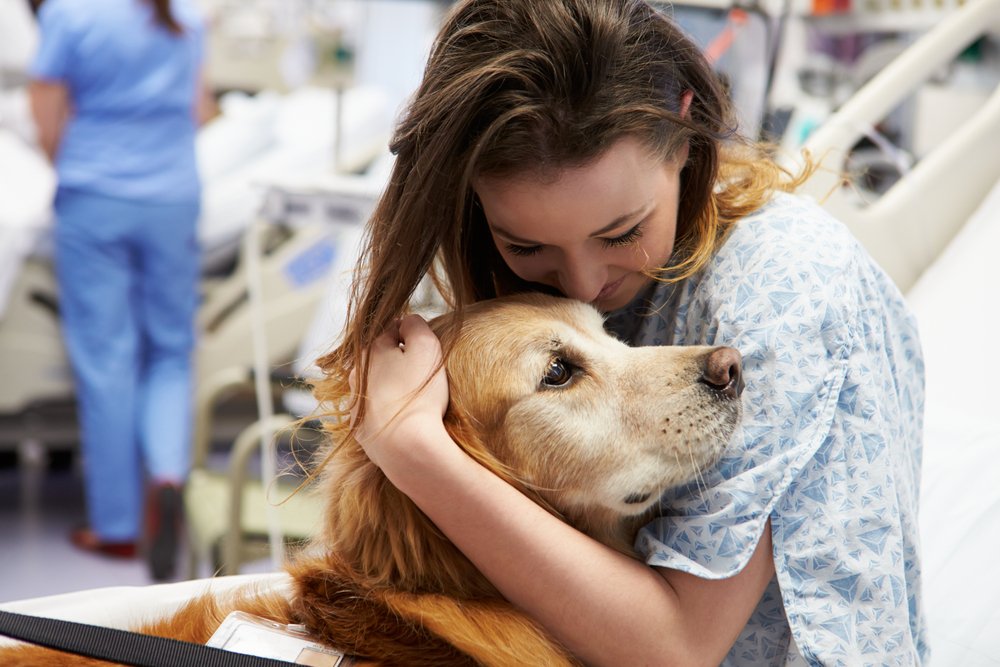
Animal therapy, often called animal-assisted therapy (AAT), is more than just spending time with a cute dog or a gentle horse. It’s a structured, goal-oriented intervention that taps into the unique bond between humans and animals to support physical, emotional, and mental well-being. For people with disabilities, this therapy offers a lifeline—a way to navigate challenges, build confidence, and find joy in ways that traditional treatments sometimes can’t match. From children with autism to adults with mobility impairments, the benefits of animal therapy are profound, backed by science, and woven with heartwarming stories of transformation.
What Is Animal-Assisted Therapy?
A Brief Overview
Animal-assisted therapy involves trained animals—most commonly dogs, horses, or small animals like rabbits—working alongside professionals to help individuals achieve specific therapeutic goals. Unlike service animals, which assist one person with daily tasks, therapy animals work with multiple people under the guidance of a trained handler. For people with disabilities, AAT can target physical rehabilitation, emotional regulation, or social skill development, making it a versatile tool in healthcare and education settings.
Physical Benefits of Animal Therapy
Boosting Mobility and Motor Skills
For individuals with physical disabilities, such as cerebral palsy or spinal cord injuries, animal therapy can be a game-changer. Activities like grooming a horse or throwing a ball for a dog encourage movement, improve coordination, and strengthen muscles. A study found that equine-assisted therapy improved balance and motor function in children with cerebral palsy, making therapy feel like play rather than work.
Enhancing Cardiovascular Health
Interacting with animals can lower blood pressure and heart rate, promoting cardiovascular health. Petting a dog or stroking a cat triggers the release of endorphins, creating a calming effect that reduces physiological stress. For people with disabilities who face chronic stress, these small moments of connection can lead to measurable health improvements.
Pain Management and Distraction
Animal therapy provides a natural distraction from pain, which is especially valuable in palliative care or for those with chronic conditions. The act of petting an animal or engaging in playful activities shifts focus away from discomfort, offering emotional and physical relief. Research shows reduced pain perception in patients interacting with therapy animals in hospital settings.
Emotional and Mental Health Benefits
Reducing Anxiety and Stress
The presence of a therapy animal can work wonders for anxiety. For someone with a developmental disability, like autism, a therapy dog’s calm demeanor can act as a social buffer, easing the pressure of human interactions. Studies show that animal therapy lowers cortisol levels, helping individuals feel more relaxed and focused.
Combating Loneliness and Isolation
People with disabilities often face social isolation, which can exacerbate mental health challenges. Therapy animals offer companionship without judgment, fostering a sense of connection. A child with Down syndrome, for example, might find comfort in a therapy rabbit’s soft fur, reducing feelings of loneliness and boosting emotional well-being.
Building Confidence and Self-Esteem
Interacting with animals can empower individuals to feel capable and valued. For a teenager with ADHD, training a therapy dog to follow commands can instill a sense of accomplishment. This boost in self-esteem translates to better engagement in other areas of life, from school to social settings.
Social and Communication Benefits
Fostering Social Interaction
Therapy animals act as social catalysts, breaking the ice in group settings. For children with autism, who may struggle with verbal communication, a therapy dog can encourage language use and social engagement. One study found that children with autism showed significantly greater language use during sessions with animals compared to traditional therapy.
Improving Emotional Regulation
Animals provide a safe space to practice emotional expression. A child with a sensory processing disorder might learn to manage frustration by observing a horse’s calm responses during equine therapy. This nonjudgmental interaction helps individuals develop coping skills that carry over into human relationships.
Encouraging Responsibility
Caring for a therapy animal, even during brief sessions, teaches responsibility. For someone with an intellectual disability, feeding or brushing a therapy animal can foster a sense of purpose and autonomy. These small tasks build life skills that enhance independence and confidence.
Types of Animal Therapy for People with Disabilities
Canine-Assisted Therapy
Why Dogs Are Ideal
Dogs are the most common therapy animals due to their intuitive nature and ability to form bonds. Trained therapy dogs provide comfort, encourage physical activity, and facilitate social interactions, making them ideal for individuals with autism, schizophrenia, or mobility issues.
Real-Life Example
Meet Sarah, a 10-year-old with autism who struggled with social anxiety. During canine-assisted therapy, she bonded with a golden retriever named Max. Over weeks, Sarah went from being withdrawn to laughing and giving Max commands, which boosted her confidence and helped her engage with peers.
Equine-Assisted Therapy
The Power of Horses
Equine therapy involves activities like grooming or riding horses, which improve balance, emotional regulation, and confidence. It’s particularly effective for individuals with cerebral palsy, ADHD, or anxiety, as the rhythmic motion of riding mimics natural walking patterns.
Case Study
John, a 15-year-old with cerebral palsy, found traditional physical therapy grueling. Equine therapy changed that. Riding a horse named Bella motivated him to work on his core strength, and he began standing taller—both physically and emotionally—after just a few sessions.
Therapy with Small Animals
Gentle Companions
Small animals like guinea pigs or rabbits are perfect for settings like schools or nursing homes. Their calm nature makes them accessible for individuals with sensory sensitivities or limited mobility, offering comfort and reducing anxiety.
A Touching Story
Emma, a 7-year-old with Down syndrome, was hesitant to join group activities at school. A therapy rabbit named Fluffy changed that. Holding Fluffy during storytime helped Emma feel secure, encouraging her to participate and connect with classmates.
Comparing Types of Animal Therapy
| Type | Best For | Key Benefits | Challenges |
|---|---|---|---|
| Canine-Assisted | Autism, schizophrenia, mobility issues | Social engagement, physical activity | Allergies, fear of dogs |
| Equine-Assisted | Cerebral palsy, ADHD, anxiety | Balance, emotional regulation | Accessibility, cost |
| Small Animal Therapy | Sensory sensitivities, limited mobility | Low-stress interaction, emotional comfort | Limited physical benefits |
Pros and Cons of Animal Therapy
Pros:
- Enhances physical, emotional, and social well-being
- Nonjudgmental companionship fosters trust
- Encourages motivation and engagement in therapy
- Reduces stress and physiological symptoms like high blood pressure
Cons:
- Potential allergies or fear of animals
- Risk of minor injuries or infections if not properly managed
- Accessibility and cost can be barriers
- Limited long-term research on certain conditions
Who Benefits Most from Animal Therapy?
Children with Developmental Disabilities
Children with autism, ADHD, or Down syndrome often respond exceptionally well to animal therapy. The nonthreatening presence of animals helps them feel safe, encouraging communication and social skills. For example, therapy dogs can act as a bridge, helping children with autism interact more comfortably with others.
Adults with Physical Disabilities
For adults with conditions like multiple sclerosis or stroke, animal therapy supports physical rehabilitation. Equine therapy, in particular, has shown promise in improving gait and balance, while canine therapy can assist with mobility tasks like opening doors.
Individuals with Mental Health Challenges
Animal therapy is effective for those with anxiety, depression, or PTSD. The calming effect of animals reduces stress hormones, and structured sessions can improve social functioning, as seen in studies with schizophrenia patients.
How to Access Animal Therapy
Finding Certified Programs
To find reputable animal therapy programs, start with organizations like Pet Partners or the International Association of Human-Animal Interaction Organizations (IAHAIO). These groups certify handlers and animals, ensuring safe and effective sessions. Local hospitals, rehabilitation centers, or schools may also offer AAT programs.
Costs and Funding Options
Animal therapy costs vary, with equine therapy often being pricier due to facility expenses. Some insurance plans cover AAT as part of rehabilitation, and nonprofit organizations may offer subsidized programs. For example, Michigan Cerebral Palsy Attorneys have helped families secure funds for therapy through legal settlements.
Best Tools for Getting Started
- Pet Partners: Offers a directory of certified therapy teams (www.petpartners.org).
- Therapy Dogs International: Connects individuals with local canine therapy programs.
- PATH International: Provides equine therapy resources and certified centers (www.pathintl.org).
- Local Support Groups: Community centers or disability advocacy groups often host therapy animal visits.
People Also Ask (PAA)
What disabilities can benefit from animal therapy?
Animal therapy benefits a wide range of disabilities, including autism, cerebral palsy, Down syndrome, ADHD, multiple sclerosis, and mental health conditions like anxiety or PTSD. It supports physical rehabilitation, emotional regulation, and social skills development.
How does animal therapy work for autism?
For individuals with autism, therapy animals act as social buffers, reducing anxiety and encouraging communication. Dogs, in particular, help children engage more in therapy sessions, improving language use and social interactions.
Is animal therapy safe?
Animal therapy is generally safe when conducted by certified handlers and trained animals. However, risks like allergies, minor injuries, or infections exist. Proper screening and hygiene protocols minimize these concerns.
Can animal therapy replace traditional treatments?
No, animal therapy is a complementary approach, not a replacement for traditional treatments. It enhances outcomes by supporting physical, emotional, and social goals but should be used alongside other therapies.
FAQ Section
1. How do therapy animals differ from service animals?
Therapy animals work with multiple people under a handler’s guidance to support therapeutic goals, while service animals are trained to assist one individual with specific tasks, like guiding someone with visual impairments.
2. What animals are used in therapy?
Dogs and horses are most common, but cats, guinea pigs, rabbits, and even dolphins are used, depending on the therapeutic goals and setting. The choice depends on the individual’s needs and preferences.
3. How long does it take to see results from animal therapy?
Results vary, but some individuals notice improvements in mood or engagement after a few sessions. Long-term benefits, like enhanced motor skills or social functioning, may take weeks or months.
4. Are there risks to animal therapy?
Risks include allergies, fear of animals, or rare instances of injury or infection. Certified programs with trained animals and handlers minimize these risks through strict protocols.
5. How can I find animal therapy near me?
Search for certified programs through organizations like Pet Partners or PATH International. Local hospitals, schools, or rehabilitation centers may also offer AAT or connect you with providers.
The Science Behind the Magic
Physiological Mechanisms
The human-animal bond triggers measurable physiological changes. Petting an animal releases oxytocin, the “cuddle hormone,” which soothes the nervous system and improves cognitive function. It also reduces cortisol, helping manage stress and anxiety. These effects are particularly impactful for people with disabilities who face chronic stress or sensory challenges.
Psychological Frameworks
The biopsychosocial model explains why animal therapy works. It addresses biological (e.g., lower blood pressure), psychological (e.g., reduced anxiety), and social (e.g., improved communication) aspects of well-being. This holistic approach makes AAT effective for diverse conditions, from autism to schizophrenia.
Real-Life Impact: A Story of Transformation
Consider Michael, a 30-year-old veteran with PTSD and mobility issues from a spinal injury. Traditional therapy felt like a chore, and he struggled with isolation. Enter Luna, a therapy dog trained to provide emotional support. During sessions, Michael found himself opening up to Luna’s handler, something he hadn’t done in years. Throwing a ball for Luna strengthened his arms, and her unconditional affection gave him a reason to smile. Over time, Michael’s anxiety decreased, and he started attending group therapy, crediting Luna for giving him the courage to connect.
Challenges and Considerations
Accessibility and Cost
While animal therapy is powerful, it’s not always accessible. Equine therapy, for instance, requires specialized facilities, making it expensive and geographically limited. Exploring local nonprofits or community programs can help overcome these barriers.
Safety and Suitability
Not everyone is a good fit for animal therapy. Allergies, phobias, or past traumas involving animals can make AAT unsuitable. Thorough screening by professionals ensures the right match between individual and animal.
Need for More Research
While studies show promising results, some lack rigorous methodology or long-term data. Ongoing research, like NIH-funded studies on human-animal interactions, aims to solidify AAT’s evidence base and standardize practices.
Why Animal Therapy Matters
Animal therapy isn’t just about petting a dog or riding a horse—it’s about rediscovering possibility. For people with disabilities, it offers a unique blend of physical, emotional, and social support that feels less like therapy and more like a partnership with a furry friend. Whether it’s a child with autism finding their voice or an adult with cerebral palsy taking stronger steps, the benefits are tangible and deeply personal. By tapping into the human-animal bond, AAT provides a path to healing that’s as joyful as it is effective.
Ready to Explore Animal Therapy?
If you or a loved one could benefit from animal therapy, start by contacting local rehabilitation centers or organizations like Pet Partners. Discuss with your healthcare provider to see how AAT can complement existing treatments. The journey to better well-being might just begin with a wagging tail or a gentle nuzzle.