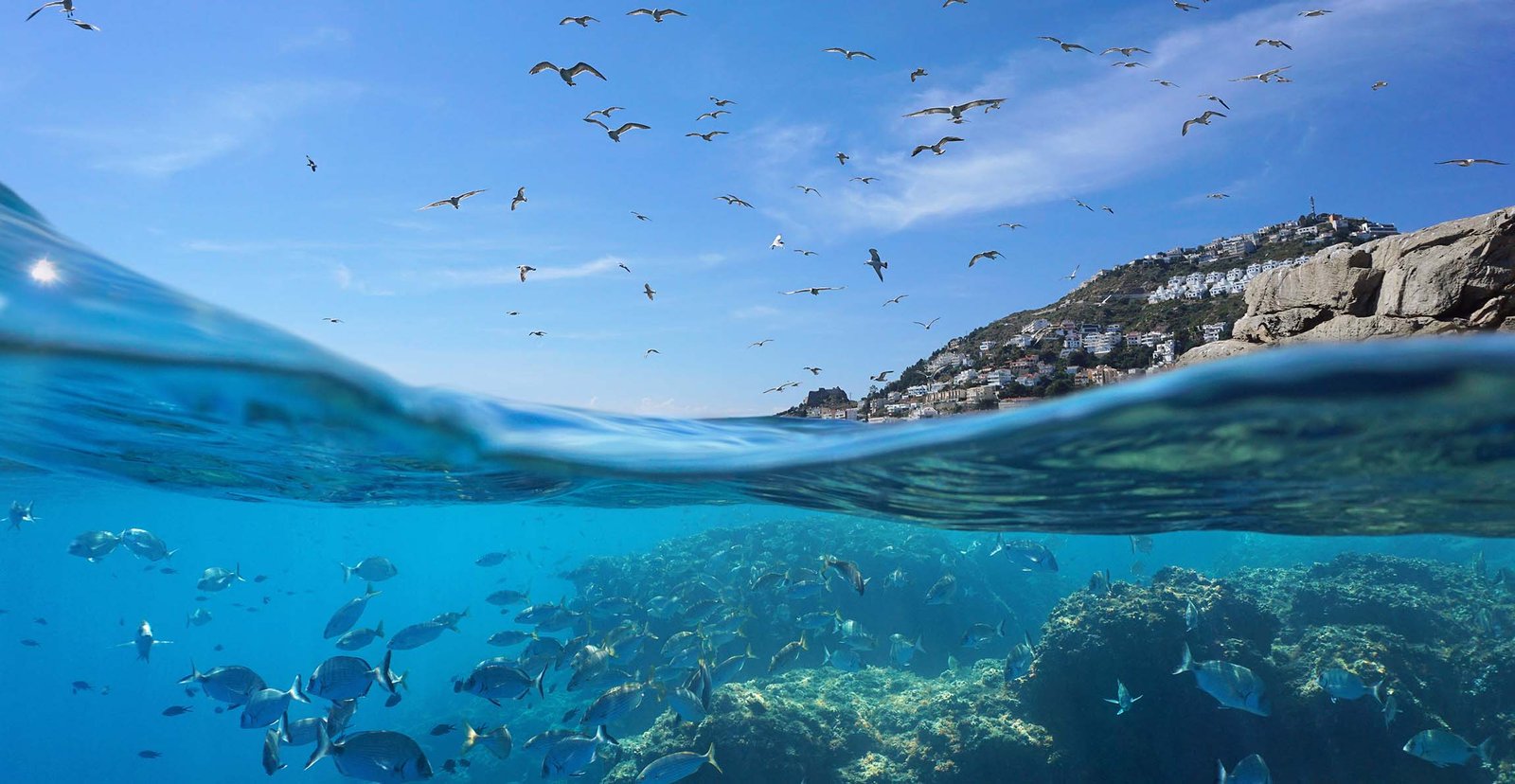
The ocean is a vast, mysterious world teeming with life that captivates the imagination. From vibrant coral reefs to the shadowy depths where creatures glow in the dark, aquatic life is a testament to nature’s creativity. As someone who’s spent countless hours snorkeling along reefs and marveling at marine documentaries, I can tell you: the underwater world feels like stepping into a sci-fi movie, but it’s real, and it’s right here on Earth. This article will take you on a journey through the wonders of aquatic life, exploring its diversity, beauty, and the critical role it plays in our planet’s health.
Why Aquatic Life Fascinates Us
The ocean covers over 70% of Earth’s surface, yet we’ve explored less than 5% of its depths. It’s a realm of endless surprises, where creatures defy logic with their shapes, colors, and behaviors. From the tiny plankton that fuel entire ecosystems to the majestic whales that sing across miles, aquatic life is a symphony of survival and adaptation. This diversity isn’t just beautiful—it’s essential for global ecosystems, providing oxygen, food, and climate regulation.
A Personal Connection to the Sea
Growing up near the coast, I remember my first snorkeling trip at age 10, bobbing in the waves and spotting a clownfish darting among anemones. It felt like I’d stumbled into a secret world. That moment sparked a lifelong love for marine life, and I hope to share that awe with you through stories and insights that bring the ocean closer.
The Diversity of Aquatic Ecosystems
Marine ecosystems are as varied as landscapes on land, each hosting unique species adapted to specific conditions. Coral reefs, mangroves, open oceans, and deep-sea trenches all play distinct roles in supporting aquatic life. These ecosystems are interconnected, forming a delicate balance that sustains biodiversity.
Coral Reefs: The Rainforests of the Sea
Often called the “rainforests of the sea,” coral reefs host 25% of all marine species despite covering less than 0.1% of the ocean floor. Their vibrant colors and bustling communities of fish, crustaceans, and mollusks make them a hotspot for biodiversity. Snorkeling in a reef feels like swimming through a living kaleidoscope.
Threats to Coral Reefs
Coral reefs face threats from climate change, pollution, and overfishing. Rising ocean temperatures cause coral bleaching, where corals expel the algae that give them color and sustenance. Protecting reefs is crucial, as they support millions of livelihoods through tourism and fishing.
The Open Ocean: A Vast Wilderness
The open ocean, or pelagic zone, is a seemingly endless expanse where creatures like tuna, sharks, and jellyfish roam. This zone is a highway for migratory species and a nursery for tiny organisms like krill, which form the base of the food chain. Its vastness humbles even the most seasoned explorers.
The Role of Plankton
Plankton may be microscopic, but they’re mighty. These tiny organisms produce over 50% of the world’s oxygen through photosynthesis. Without plankton, life on Earth—marine and terrestrial—would collapse. It’s a reminder that even the smallest creatures wield enormous power.
Deep-Sea Wonders: Life in the Dark
The deep sea, where sunlight barely reaches, is home to some of the planet’s strangest inhabitants. From bioluminescent anglerfish to giant squid, these creatures thrive in extreme conditions. Exploring this realm feels like discovering an alien planet right here on Earth.
Adaptations to Extreme Conditions
Deep-sea creatures have evolved remarkable adaptations, like bioluminescence to attract prey or withstand crushing pressures. The viperfish, with its glowing lure, is a perfect example of nature’s ingenuity in the dark depths.
Iconic Marine Species and Their Stories
The ocean is home to countless species, each with unique traits that spark wonder. Let’s meet a few stars of the aquatic world and explore what makes them so special.
The Majestic Blue Whale
The blue whale, the largest animal ever to live on Earth, can grow up to 100 feet long and weigh as much as 200 tons. Its heart alone is the size of a small car! Hearing their haunting songs during a whale-watching trip off California was a moment I’ll never forget.
Blue Whale Facts
- Diet: Consumes up to 4 tons of krill daily.
- Lifespan: Can live up to 90 years.
- Range: Found in all oceans except the Arctic.
The Clever Octopus
Octopuses are the ocean’s masterminds, capable of changing color to blend into their surroundings and solving puzzles with ease. I once watched a documentary where an octopus escaped a tank by unscrewing a lid—talk about a brainy escape artist!
Why Octopuses Are Unique
- Intelligence: Can navigate mazes and use tools.
- Camouflage: Change color in seconds to avoid predators.
- Arms: Eight arms with suction cups for grabbing prey.
The Colorful Clownfish
Clownfish, made famous by Finding Nemo, live symbiotically with sea anemones, which protect them from predators. Their bright orange hue and playful demeanor make them a favorite among divers. Spotting one in the wild feels like meeting a celebrity.
Clownfish and Anemones: A Perfect Partnership
Clownfish are immune to anemone stings, using them as safe havens. In return, they clean the anemones and provide nutrients through waste. It’s a win-win that showcases nature’s teamwork.
Comparing Aquatic Ecosystems: A Snapshot
To understand the variety of aquatic life, let’s compare three key ecosystems:
| Ecosystem | Key Species | Challenges | Human Benefits |
|---|---|---|---|
| Coral Reefs | Clownfish, Parrotfish, Corals | Bleaching, Pollution | Tourism, Fisheries |
| Open Ocean | Tuna, Sharks, Plankton | Overfishing, Plastic Pollution | Oxygen Production, Food Source |
| Deep Sea | Anglerfish, Giant Squid | Limited Exploration, Mining Threats | Scientific Discovery, Genetic Resources |
This table highlights how each ecosystem supports unique species while facing distinct challenges, all contributing to human well-being in different ways.
The Role of Aquatic Life in Global Ecosystems
Aquatic life doesn’t just exist in isolation—it’s a cornerstone of global ecosystems. Oceans regulate climate, store carbon, and provide food for billions. The health of marine life directly impacts life on land, making conservation a shared responsibility.
Oxygen Production and Climate Regulation
Phytoplankton, tiny photosynthetic organisms, produce more oxygen than all the world’s forests combined. They also absorb carbon dioxide, helping mitigate climate change. It’s mind-boggling to think that invisible creatures keep our planet breathable.
Food Security and Economic Value
Over 3 billion people rely on fish as a primary protein source. Fisheries and aquaculture support millions of jobs worldwide, particularly in coastal communities. Sustainable practices are vital to ensure this resource endures for future generations.
Threats to Aquatic Life: A Call to Action
Despite their beauty and importance, aquatic ecosystems face unprecedented threats. Human activities like overfishing, pollution, and climate change are pushing marine life to the brink. Understanding these challenges is the first step toward protecting our oceans.
Overfishing: A Depleting Resource
Overfishing has reduced fish stocks by 50% in some regions, threatening species like cod and tuna. Sustainable fishing practices, like catch limits and marine protected areas, are critical to restoring balance.
Pros and Cons of Fishing Regulations
- Pros: Protects species, restores ecosystems, ensures long-term food security.
- Cons: Economic impact on fishing communities, enforcement challenges.
Plastic Pollution: A Growing Menace
Every year, 8 million metric tons of plastic enter the oceans, harming marine life. Turtles mistake plastic bags for jellyfish, and microplastics infiltrate the food chain. Reducing single-use plastics is a simple yet powerful step we can all take.
Climate Change: Warming Waters
Rising ocean temperatures disrupt ecosystems, causing coral bleaching and shifting fish populations. Acidification, caused by increased CO2 absorption, weakens shells of creatures like oysters and crabs. Global cooperation is needed to curb emissions and protect marine life.
How to Explore Aquatic Life: A Guide for Enthusiasts
Whether you’re a diver, a beachgoer, or a curious learner, there are countless ways to connect with aquatic life. Here’s how you can dive into this world, no matter your experience level.
Snorkeling and Diving: Up-Close Encounters
Snorkeling is an accessible way to explore shallow reefs, while scuba diving opens up deeper waters. Destinations like the Great Barrier Reef or the Maldives offer breathtaking views of marine life. Always choose eco-friendly operators to minimize your impact.
Aquariums and Virtual Tours
Can’t get to the ocean? Visit reputable aquariums like the Monterey Bay Aquarium, which showcases marine biodiversity while promoting conservation. Online platforms like Google Ocean offer virtual tours of underwater worlds.
Best Tools for Marine Exploration
- Snorkeling Gear: Masks, fins, and snorkels for shallow-water adventures.
- Underwater Cameras: GoPro or Olympus Tough for capturing marine beauty.
- Marine Apps: iNaturalist for identifying species, Ocean HD for virtual dives.
People Also Ask (PAA) Section
Here are answers to common questions about aquatic life, drawn from real Google searches:
What is the most interesting marine animal?
The octopus stands out for its intelligence and camouflage abilities. It can solve puzzles, change color, and even escape enclosures, making it a fascinating subject of study and observation.
How does aquatic life affect the environment?
Aquatic life regulates climate, produces oxygen, and supports food chains. Phytoplankton alone generate over 50% of Earth’s oxygen, while fish provide protein for billions, underscoring their environmental and economic importance.
Where can I see marine life?
Top destinations include the Great Barrier Reef (Australia), the Galápagos Islands (Ecuador), and the Red Sea (Egypt). Local aquariums and marine sanctuaries also offer accessible ways to observe aquatic life.
Why is ocean conservation important?
Ocean conservation protects biodiversity, ensures food security, and mitigates climate change. Healthy oceans support global ecosystems, providing oxygen, carbon storage, and resources for millions of people.
FAQ Section
What is aquatic life?
Aquatic life refers to organisms living in water, including marine and freshwater species like fish, corals, plankton, and whales. These creatures form complex ecosystems that support global biodiversity and human livelihoods.
How can I help protect aquatic life?
Reduce plastic use, support sustainable seafood, and advocate for marine protected areas. Small actions, like choosing reusable bags or joining beach cleanups, make a big difference.
What are the best places to learn about marine life?
Visit aquariums, watch documentaries like Blue Planet, or explore online resources from NOAA or the Ocean Conservancy. Hands-on experiences like snorkeling also deepen understanding.
Why are coral reefs so important?
Coral reefs support 25% of marine species, protect coastlines from erosion, and drive tourism and fishing economies. Their loss would devastate biodiversity and human communities.
How does climate change affect aquatic life?
Climate change warms oceans, causing coral bleaching and shifting species distributions. Acidification harms shell-building creatures, while rising sea levels threaten coastal habitats.
Conservation: A Shared Responsibility
Protecting aquatic life starts with collective action. Support organizations like the Ocean Conservancy or WWF, which fund research and advocacy. Educate yourself and others about sustainable practices, and vote for policies that prioritize ocean health. Every small step—whether it’s skipping the plastic straw or supporting marine sanctuaries—helps preserve the wonders of aquatic life for future generations.
A Final Thought
The ocean is a world of wonder, resilience, and mystery. From the playful dance of a clownfish to the haunting song of a whale, aquatic life reminds us of nature’s boundless creativity. Let’s cherish and protect it, ensuring that future generations can marvel at its beauty just as we do.
External Links:
- Ocean Conservancy for conservation tips.
- NOAA Fisheries for marine science resources.
Internal Links:
- Learn more about sustainable fishing practices.
- Explore top snorkeling destinations for your next adventure.