I still remember the thrill of setting up my first aquarium back in high school. It was a simple 20-gallon tank I got as a birthday gift, and I had no idea where to start. I wandered into the local pet store, overwhelmed by all the colorful options swimming around. The clerk saw my confusion and pointed me toward guppies, saying they’d forgive a newbie’s mistakes. That advice stuck with me, and those hardy little fish turned my clumsy attempts into a lifelong passion. If you’re just dipping your toes into the world of aquariums, choosing the right fish can make all the difference between a relaxing hobby and a frustrating one. In this guide, we’ll dive into the top 10 beginner-friendly aquarium fish that are easy to care for, forgiving of minor slip-ups, and full of personality to keep you hooked.
Why Choose Beginner-Friendly Fish?
Starting with fish that are resilient and low-maintenance sets you up for success right from the gate. These species tolerate slight fluctuations in water conditions, which is common when you’re learning the ropes of cycling a tank or maintaining filters. Plus, they often come in vibrant colors and exhibit fun behaviors that make watching your aquarium a joy rather than a chore. Think of it like planting your first garden—you wouldn’t start with finicky orchids; you’d go for hearty sunflowers that bloom despite a missed watering or two.
Factors to Consider Before Buying Fish
Before rushing to the store, pause and think about your setup. Beginner fish thrive in stable environments, so matching their needs to your tank is key. Consider the size of your aquarium, as overcrowding leads to stress and health issues. Water parameters like temperature and pH matter too—most tropical beginners prefer warm water around 75-80°F. And don’t forget compatibility; peaceful community fish mix well, but aggressive ones might turn your tank into a battleground.
- Tank Size: Start with at least 10-20 gallons for better water stability.
- Water Quality: Test for ammonia, nitrites, and nitrates regularly using kits like those from API.
- Feeding Habits: Opt for omnivores that eat flakes or pellets easily.
- Schooling Needs: Many beginners like to group up, so buy in multiples.
- Lifespan and Growth: Some grow larger than expected, so plan ahead.
Top 10 Aquarium Fish for Beginners
1. Guppies
Guppies were my gateway fish, and for good reason—they’re like the friendly neighbors of the aquarium world, always lively and forgiving. These small, colorful livebearers come in a rainbow of hues and patterns, making them a visual treat even in a basic setup. They’re hardy enough to handle beginner errors like overfeeding, but they reward proper care with constant activity and easy breeding.
Pros:
- Extremely hardy and adaptable to various water conditions.
- Breed readily, providing a fun learning experience with fry.
- Inexpensive and widely available at pet stores.
Cons:
- Can overpopulate if males and females are mixed without planning.
- Males may harass females if the ratio isn’t balanced.
- Prone to fin rot if water quality dips.
Care Tips:
- Minimum tank size: 10 gallons.
- Temperature: 72-82°F.
- pH: 6.8-7.8.
- Feed flakes or pellets twice daily, only what they eat in 2-3 minutes.
2. Betta Fish
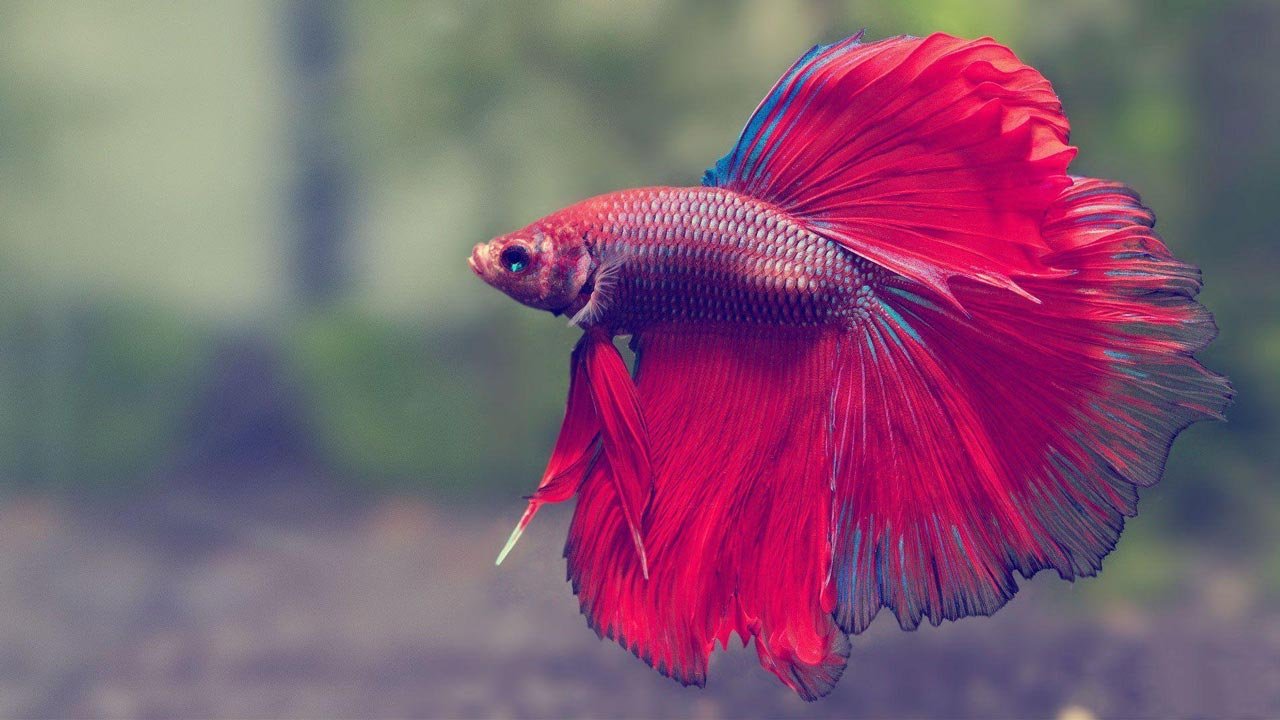
Ah, bettas—the dramatic divas of the fish tank. I once had a fiery red male named Spike who would flare his fins whenever I approached, like he was putting on a show just for me. These Siamese fighting fish are stunning with their flowing fins and bold colors, but they’re best for beginners who appreciate a solo star. They’re low-maintenance in terms of space but need attention to their territorial nature.
Pros:
- Can thrive in smaller tanks, ideal for desk setups.
- Vibrant and interactive, often recognizing their owners.
- Eat a variety of foods, including specialized betta pellets.
Cons:
- Males are aggressive and can’t be housed with others.
- Sensitive to poor filtration, leading to fin issues.
- Short lifespan if stressed, around 2-3 years.
Care Tips:
- Minimum tank size: 5 gallons (heated and filtered).
- Temperature: 78-82°F.
- pH: 6.5-7.5.
- Provide hiding spots like caves or plants to reduce stress.
3. Neon Tetras
Neon tetras bring that electric glow to any tank, like tiny underwater fireworks. I added a school to my first community setup, and their synchronized swimming turned a plain aquarium into a mesmerizing display. These peaceful South American natives are schooling fish, so they shine when kept in groups, adding movement without much fuss.
Pros:
- Small and non-aggressive, perfect for community tanks.
- Hardy once established, tolerating minor parameter swings.
- Inexpensive and easy to find.
Cons:
- Susceptible to neon tetra disease in poor conditions.
- Need to be in schools or they become stressed.
- Can be shy without plenty of plants.
Care Tips:
- Minimum tank size: 10 gallons.
- Temperature: 70-81°F.
- pH: 6.0-7.0.
- Keep in groups of at least 6; feed small flakes or micro pellets.
4. Corydoras Catfish
Corydoras are the vacuum cleaners of the aquarium, always bustling along the bottom in search of snacks. My panda corys were hilarious, darting around like little armored puppies, and they helped keep the substrate clean. These bottom-dwellers are social and peaceful, making them excellent for beginners looking to add variety.
Pros:
- Help control algae and leftover food.
- Very peaceful and compatible with most fish.
- Hardy with a fun, active personality.
Cons:
- Need soft substrate to protect their barbels.
- Require groups to thrive, at least 4-6.
- Can be sensitive to high nitrates.
Care Tips:
- Minimum tank size: 20 gallons.
- Temperature: 72-78°F.
- pH: 6.0-7.0.
- Use sand or smooth gravel; supplement diet with sinking wafers.
5. Platies
Platies remind me of cheerful little clowns, with their bright spots and easygoing vibe. I bred them accidentally in my early days, and watching the fry grow was a rewarding surprise. These livebearers are robust and colorful, ideal for beginners who want active fish without complexity.
Pros:
- Adaptable to a wide pH range and hard water.
- Peaceful and great for community setups.
- Breed easily, adding educational value.
Cons:
- Can multiply quickly if not managed.
- Males may chase females excessively.
- Prone to obesity if overfed.
Care Tips:
- Minimum tank size: 10 gallons.
- Temperature: 70-82°F.
- pH: 7.0-8.0.
- Keep 1 male to 2-3 females; feed varied omnivore diet.
6. Mollies
Mollies are like the tough guys who still have a soft side—hardy but elegant in their sailfin varieties. In one of my tanks, a black molly became the unofficial leader, gliding around with confidence. They’re great for beginners in slightly brackish water, adding diversity to your collection.
Pros:
- Tolerant of varying salinities.
- Active swimmers that add energy.
- Help control algae.
Cons:
- Need larger tanks as they grow.
- Can be aggressive in overcrowded spaces.
- Require vegetable matter in diet.
Care Tips:
- Minimum tank size: 20 gallons.
- Temperature: 75-82°F.
- pH: 7.5-8.5.
- Add aquarium salt if possible; feed flakes with spirulina.
7. Zebra Danios
Zebra danios are the speed demons, zipping around like they’ve had too much coffee. I laughed watching mine chase each other in endless games, keeping the tank lively. These striped minnows are incredibly resilient, perfect for newbies testing the waters.
Pros:
- Extremely hardy, even in unheated tanks.
- Active and entertaining to watch.
- Inexpensive and long-lived.
Cons:
- Can be too energetic for shy tankmates.
- Need space to swim or they stress.
- Jumpers, so use a lid.
Care Tips:
- Minimum tank size: 10 gallons.
- Temperature: 64-75°F.
- pH: 6.5-7.0.
- Keep in schools of 5+; feed standard flakes.
8. White Cloud Mountain Minnows
These little gems are cold-water wonders, thriving where others might falter. My group shimmered like silver arrows in a cooler setup, and their hardiness saved me during a heater mishap. Ideal for beginners avoiding tropical heat.
Pros:
- Tolerate cooler temperatures.
- Peaceful schooling fish.
- Low-maintenance and disease-resistant.
Cons:
- Prefer unheated tanks, limiting compatibility.
- Can be jumpy.
- Need groups to show best colors.
Care Tips:
- Minimum tank size: 10 gallons.
- Temperature: 60-72°F.
- pH: 6.0-8.0.
- School of 6+; feed small pellets or daphnia.
9. Cherry Barbs
Cherry barbs add a pop of red that’s hard to ignore, like ripe berries in your tank. I found them calming to watch, schooling gently without drama. They’re sturdy and colorful, great for adding warmth to a beginner’s aquarium.
Pros:
- Peaceful and easy to breed.
- Hardy in various conditions.
- Males display vibrant colors.
Cons:
- Females are duller, so mix genders.
- Can nip fins if hungry.
- Need hiding spots.
Care Tips:
- Minimum tank size: 20 gallons.
- Temperature: 74-80°F.
- pH: 6.0-7.0.
- Groups of 6+; supplement with veggies or worms.
10. Harlequin Rasboras
Harlequin rasboras are elegant team players, with their wedge-shaped marks creating a unified look in schools. In my planted tank, they danced among the leaves, teaching me about natural behaviors. They’re forgiving and beautiful for novice aquarists.
Pros:
- Very peaceful community fish.
- Hardy and long-lived.
- Striking in groups.
Cons:
- Need stable water to breed.
- Shy without cover.
- Sensitive to ammonia spikes.
Care Tips:
- Minimum tank size: 10 gallons.
- Temperature: 72-77°F.
- pH: 6.0-7.5.
- School of 6+; feed flakes and live foods occasionally.
Comparison of Top 10 Beginner Fish
| Fish | Adult Size | Min Tank Size | Temp Range (°F) | pH Range | Hardiness Level |
|---|---|---|---|---|---|
| Guppies | 1-2 in | 10 gal | 72-82 | 6.8-7.8 | High |
| Betta Fish | 3 in | 5 gal | 78-82 | 6.5-7.5 | Medium |
| Neon Tetras | 1.5 in | 10 gal | 70-81 | 6.0-7.0 | Medium |
| Corydoras Catfish | 2-3 in | 20 gal | 72-78 | 6.0-7.0 | High |
| Platies | 2-3 in | 10 gal | 70-82 | 7.0-8.0 | High |
| Mollies | 3-4 in | 20 gal | 75-82 | 7.5-8.5 | High |
| Zebra Danios | 2 in | 10 gal | 64-75 | 6.5-7.0 | Very High |
| White Cloud Minnows | 1.5 in | 10 gal | 60-72 | 6.0-8.0 | Very High |
| Cherry Barbs | 2 in | 20 gal | 74-80 | 6.0-7.0 | Medium |
| Harlequin Rasboras | 2 in | 10 gal | 72-77 | 6.0-7.5 | Medium |
This table helps compare at a glance—notice how many are high in hardiness, making them forgiving for starters.
Setting Up Your First Aquarium
Getting your tank ready is half the fun, like prepping a cozy home for new pets. Start with a reliable filter and heater, then add substrate and decorations. Cycle the tank for 4-6 weeks to build beneficial bacteria—patience here prevents disasters. Stock slowly, adding a few fish at a time to avoid overwhelming the system.
Common Mistakes to Avoid
Even with easy fish, pitfalls lurk for beginners. I once overstocked my tank thinking more was merrier, only to deal with cloudy water and sick fish. Learn from my blunders: don’t skip water changes, and always quarantine new arrivals. Humorously, avoid turning your aquarium into a fish buffet by overfeeding—they’ll balloon up like little blimps!
- Overfeeding: Leads to poor water quality and health issues.
- Ignoring Cycling: Causes ammonia spikes that stress fish.
- Mixing Incompatibles: Results in bullying or fights.
- Neglecting Maintenance: Filters clog, heaters fail—check weekly.
- Buying on Impulse: Research first to match your setup.
People Also Ask
What is the easiest fish to take care of for beginners?
The easiest are often guppies or zebra danios, as they’re hardy and adapt well to varying conditions. They eat simple foods and don’t require fancy setups, making them forgiving for new hobbyists.
What size tank should a beginner start with?
A 20-gallon tank is ideal—it offers stability without being overwhelming. Smaller tanks fluctuate too easily, while larger ones can be costly to maintain at first.
How many fish can I put in a 10-gallon tank?
Stick to 5-10 small fish, depending on species. Follow the one-inch-per-gallon rule loosely, but prioritize swimming space and filtration to keep everyone healthy.
Where can I buy beginner aquarium fish?
Local pet stores like PetSmart or specialty shops are great starts. Online options like Aquarium Co-Op provide healthy stock with shipping—check reviews for reliability.
What tools do I need for aquarium maintenance?
Essential tools include a gravel vacuum, water conditioner, test kits, and algae scrapers. For transactions, budget kits from brands like Aqueon simplify things.
FAQ
Are goldfish good for beginners?
Goldfish can be, but they grow large and need big tanks—start with commons in 30+ gallons. They’re hardy but produce lots of waste, so frequent changes are key.
How often should I feed my beginner fish?
Twice a day, but only what they consume in 2-3 minutes. Overfeeding pollutes the water—remember, hungry fish are healthy fish.
Can I mix different beginner fish together?
Yes, most like tetras, guppies, and corys coexist peacefully in community tanks. Avoid aggressors like some barbs with fin-nippers.
What if my fish get sick?
Quarantine and treat with meds like those for ich. Prevention through clean water is best—consult sites like Aquarium Co-Op for guides.
Where to learn more about aquarium setups?
Check internal resources like our beginner tank guide or external ones like PetMD’s fish care.
Embarking on this hobby is rewarding, much like nurturing a tiny ecosystem in your living room. With these top 10 fish, you’ll build confidence and enjoy the serene beauty of your aquarium. Remember my first guppies? They multiplied, teaching me about life cycles and responsibility. Yours could do the same—happy fishkeeping!