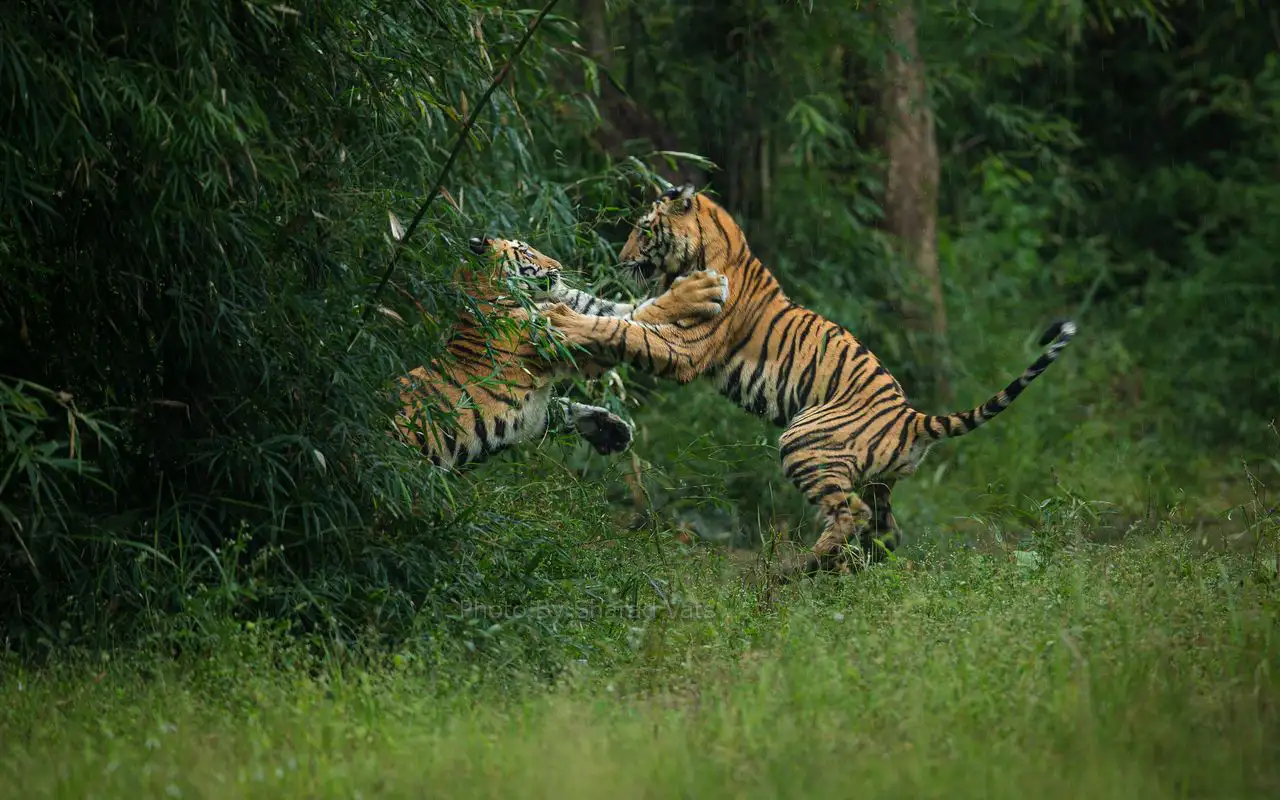
Why Animal Behavior Matters for Conservation
In the dense jungles of India, where tigers prowl and elephants roam, understanding animal behavior is not just a scientific pursuit—it’s a lifeline for conservation. Every flick of a tiger’s tail or the intricate dance of a peacock carries clues about survival, reproduction, and adaptation. By decoding these behaviors, conservationists can craft strategies that protect species and their habitats, ensuring India’s rich biodiversity thrives for generations.
The Essence of Animal Behavior
Animal behavior encompasses how creatures interact with their environment, mates, and threats. From the migratory routes of elephants to the nocturnal foraging of sloth bears, these actions are not random but finely tuned survival mechanisms. Studying these patterns reveals what animals need to flourish, guiding efforts to preserve their natural habitats.
A Personal Connection to Wildlife
I’ll never forget my first safari in Ranthambore National Park. As our jeep rolled through the dusty trails, a tigress named Maya appeared, her amber eyes scanning us. She didn’t flee or attack—she simply lay down, unfazed by our presence. That moment showed me how understanding an animal’s comfort with humans can shape tourism policies that protect both wildlife and visitors. Maya’s behavior, studied by local conservationists, helped zone tourism routes to minimize disturbance.
Key Behaviors Driving Conservation Strategies
Conservation in India hinges on understanding specific behaviors like migration, foraging, mating, and territoriality. These behaviors dictate where animals move, what they eat, and how they reproduce, directly influencing habitat protection and conflict mitigation.
Migration and Corridor Protection
Elephants in India rely on ancient migratory corridors to move between forests like Kanha and Pench. Blocking these paths with roads or settlements can lead to human-wildlife conflict. Conservationists use GPS tracking to map these routes, ensuring corridors remain open for safe passage, preserving genetic diversity.
Case Study: Elephant Corridors in Wayanad
In Wayanad, Kerala, altered elephant migration routes signaled blocked corridors. By studying their movements, conservationists restored pathways, reducing crop damage and human injuries. This shows how behavior-driven data can solve real-world problems.
Foraging and Habitat Needs
Sloth bears, nocturnal foragers, depend on rocky outcrops for daytime dens. Protecting these specific habitats, rather than just general forest cover, ensures their survival. Similarly, hornbills reuse tree hollows for nesting, so logging old-growth trees can wipe out entire generations.
Example: Sarus Crane Feeding Patterns
A study by the Nature Conservation Foundation revealed unique social units among sarus cranes, influencing their foraging behavior. Protecting their wetland habitats, where they feed, has boosted breeding success.
Mating and Breeding Behaviors
The great Indian bustard’s lekking grounds, where males perform elaborate mating displays, are critical for reproduction. Disturbances like power lines or grazing can halt breeding. Conservationists now use underground cables to protect these sites, showcasing behavior-sensitive interventions.
Table: Key Animal Behaviors and Conservation Impacts
| Behavior | Species Example | Conservation Action | Impact |
|---|---|---|---|
| Migration | Asian Elephant | Protect migratory corridors | Reduces human-wildlife conflict |
| Foraging | Sloth Bear | Conserve rocky outcrops and foraging areas | Ensures habitat suitability |
| Mating Displays | Great Indian Bustard | Underground power lines | Protects breeding grounds |
| Territoriality | Tiger | Zone tourism routes based on behavior | Minimizes disturbance to breeding |
Territoriality and Human-Wildlife Conflict
Tigers in reserves like Bandhavgarh display territorial behaviors that shift under ecological stress, like prey scarcity. Daytime hunting near villages often signals a lack of wild prey. By monitoring these shifts, conservationists can address root causes, like restoring prey populations.
Tools and Technologies for Studying Behavior
Modern conservation in India leverages technology to decode animal behavior, from camera traps to GPS collars. These tools provide data that informs policies and protects species.
Camera Traps and Radio Collars
Camera traps capture daily movements, like how far tigers roam, while radio collars track long-term patterns. In Tadoba, these tools revealed Maya the tigress’s tolerance for vehicles, shaping tourism regulations.
GPS Tracking for Movement Ecology
GPS technology has revolutionized movement ecology in India. A 2021 review highlighted how tracking data from tigers and elephants helps design conservation plans, especially in human-dominated landscapes.
Pros and Cons of Tracking Technologies
Pros:
- Provides precise data on movement and habitat use.
- Helps identify critical corridors and foraging areas.
- Informs real-time conflict mitigation strategies.
Cons:
- High costs for equipment and maintenance.
- Potential stress to animals during tagging.
- Data interpretation requires specialized expertise.
Challenges in Integrating Behavior into Conservation
Despite its importance, integrating animal behavior into conservation faces hurdles. Limited funding, scientific roadblocks, and a historical disconnect between behavioral ecology and conservation biology often hinder progress.
Historical Disconnect
Behavioral ecology and conservation biology have traditionally operated in silos, with only 9 of 97 conservation studies in one review focusing on behavior. Bridging this gap requires more interdisciplinary collaboration.
Resource Constraints
With countless endangered species, resources are stretched thin. Holistic approaches, studying multiple species simultaneously, offer a solution but demand complex coordination.
Comparison: Behavior vs. Traditional Conservation Approaches
| Approach | Focus | Strengths | Weaknesses |
|---|---|---|---|
| Behavior-Based Conservation | Animal movement, foraging, mating | Targets specific needs, reduces conflict | Resource-intensive, requires expertise |
| Traditional Conservation | Population size, habitat protection | Broad applicability, simpler metrics | May overlook behavior-specific needs |
Success Stories in Behavior-Driven Conservation
India’s conservation landscape is dotted with success stories where understanding behavior has made a tangible difference. These examples highlight the power of ethology—the study of animal behavior—in saving species.
Project Tiger: Behavior-Informed Zoning
Launched in 1973, Project Tiger used behavioral insights to create core-buffer zones in reserves like Corbett. By studying tiger dispersal and territoriality, managers minimized human disturbance, boosting populations from 1,800 to over 3,000.
Project Elephant: Mitigating Conflict
Project Elephant uses movement data to monitor herds, reducing crop loss and human injuries. In Assam, real-time tracking has cut elephant mortality on railways, showing how behavior informs practical solutions.
Hangul Conservation in Kashmir
The “Save Kashmir’s Red Deer Hangul” project used behavioral data to improve breeding success. By planting fruit-bearing trees and maintaining water holes, conservationists supported the deer’s foraging needs, increasing their population to 261.
People Also Ask (PAA)
What is animal behavior in conservation?
Animal behavior in conservation refers to studying how animals interact with their environment, mates, and threats to inform protection strategies. It includes migration, foraging, and mating patterns that guide habitat preservation and conflict mitigation.
How does animal behavior help wildlife conservation in India?
Understanding behaviors like elephant migration or tiger territoriality helps design corridors, protect habitats, and reduce human-wildlife conflict, ensuring species survival.
What tools are used to study animal behavior in India?
Conservationists use camera traps, radio collars, and GPS tracking to monitor movements and behaviors, providing data for effective management plans.
Why is ethology important for conservation?
Ethology, the science of animal behavior, reveals survival strategies, helping conservationists address specific needs like breeding grounds or foraging areas.
Emotional Appeal: A Call to Action
Picture a lone elephant trudging through a fragmented forest, searching for a path once walked by its ancestors. Or a tiger, stressed by shrinking prey, venturing too close to a village. These are not just animals—they’re sentient beings whose behaviors tell stories of survival. By supporting conservation efforts, like donating to organizations such as the Wildlife Trust of India (wildlifetrustindia.org) or volunteering with local NGOs, you can help preserve these stories. Every small action counts in keeping India’s wildlife wild.
Practical Steps for Readers
Where to Get Involved
- Wildlife Trust of India: Offers volunteer programs and donation options for conservation projects. Visit wildlifetrustindia.org.
- WWF India: Engages communities in habitat restoration and conflict mitigation. Check wwfindia.org for opportunities.
- Local Forest Departments: Many states, like Assam and Karnataka, welcome volunteers for monitoring and awareness campaigns.
Best Tools for Learning About Animal Behavior
- Books: “Conservation Behavior” by Blumstein and Fernández-Juricic offers insights into applying behavior to conservation. Available on Amazon India.
- Online Courses: Platforms like Coursera offer ethology courses from universities like the University of Melbourne.
- Wildlife Apps: Apps like iNaturalist let you record and learn about animal behaviors during safaris.
FAQ Section
How does animal behavior influence conservation strategies?
Behaviors like migration and foraging guide habitat protection and conflict resolution, ensuring animals can live naturally.
What are some successful conservation projects in India?
Project Tiger, Project Elephant, and the Hangul conservation initiative have used behavioral insights to boost populations and reduce conflicts.
Can tourists contribute to conservation through behavior?
Yes, by respecting animal signals—like staying still when a gaur herd stiffens—tourists minimize disturbance, supporting natural behaviors.
Why is GPS tracking important for conservation?
GPS tracking reveals movement patterns, helping protect critical habitats and corridors, especially for elephants and tigers.
How can I support wildlife conservation in India?
Donate to organizations like WWF India, volunteer with local NGOs, or advocate for wildlife-friendly policies in your community.
Conclusion: The Future of Behavior-Driven Conservation
Understanding animal behavior is like holding a map to India’s wildlife future. From the majestic tiger to the elusive snow leopard, each species’ actions offer clues to their survival needs. By integrating ethology into conservation, India can protect its biodiversity while balancing human needs. Let’s commit to learning, observing, and acting—because every behavior we preserve keeps the wild heart of India beating strong.