Choosing a pet bird is like picking a new friend who can sing, chatter, or even mimic your favorite TV jingle. But with thousands of bird species out there, how do you know which one’s the right fit? Whether you’re a first-time bird owner or looking to add a feathered companion to your home, this guide dives deep into the best pet birds for beginners, their care needs, and how to make your bird-keeping journey a success. Drawing from expert recommendations, personal anecdotes, and practical tips, we’ll help you find a bird that matches your lifestyle while ensuring your new pal thrives.
Why Choose a Pet Bird?
Pet birds bring color, personality, and joy to any home. Unlike dogs or cats, they don’t need daily walks or litter box cleanups, but they do require attention, care, and a safe environment. From the cheerful chirps of a canary to the playful antics of a budgie, birds offer unique companionship that’s perfect for small spaces or busy households. Let’s explore the top bird species for beginners and what makes them so special.
Top Pet Birds for Beginners
Selecting the right bird means considering your lifestyle, space, and time commitment. Below are the best pet birds for first-time owners, chosen for their friendly nature, manageable care needs, and adaptability.
Budgerigars (Budgies or Parakeets)
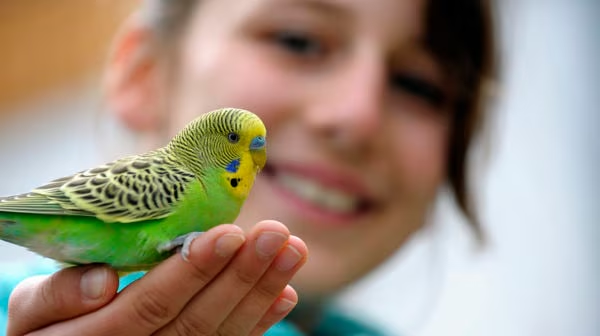
Budgies are the rock stars of the pet bird world—small, vibrant, and full of personality. These Australian natives are affordable, easy to care for, and perfect for apartments due to their low noise levels. With proper training, budgies can learn to talk, mimic sounds, and even perform tricks like ringing a bell.
Why Budgies Are Great for Beginners
- Affordable: Budgies are budget-friendly, with initial costs (bird, cage, and supplies) often under $100.
- Social: They love interacting with humans and can bond deeply with consistent handling.
- Low Maintenance: Their small size means smaller cages and less food compared to larger parrots.
- Lifespan: 7–15 years with proper care, making them a long-term but not overwhelming commitment.
My first budgie, Sky, was a blue-and-white chatterbox who learned to say “pretty bird” within weeks. His tiny size made him easy to handle, but his big personality filled the room. Budgies thrive on daily interaction, so plan to spend at least an hour engaging with them—think of it as a daily dose of feathered fun.
Cockatiels
Cockatiels are like the cool cousins of budgies—slightly larger, with a signature crest that telegraphs their mood. These Australian parrots are gentle, social, and known for their whistling talents. Males, in particular, can mimic sounds like doorbells or your phone’s ringtone, adding a quirky charm to your home.
Why Cockatiels Are Beginner-Friendly
- Gentle Nature: Especially females, they’re less likely to nip than other parrots.
- Expressive: Their crest flattens when angry or rises when excited, making their emotions easy to read.
- Moderate Space Needs: A spacious cage with toys and perches keeps them happy.
- Lifespan: 15–20 years, with some living up to 30 years with excellent care.
When I visited a friend’s home, her cockatiel, Sunny, greeted me with a cheerful whistle and a head bob. It was love at first sight. Cockatiels need regular interaction to avoid loneliness, so they’re ideal for owners who can dedicate time to bonding.
Lovebirds
Lovebirds live up to their name with their affectionate, cuddly nature. These small parrots come in a rainbow of colors and form strong bonds with their owners or another lovebird. While they’re not the easiest on this list, their playful antics make them a rewarding choice for dedicated beginners.
Why Lovebirds Are a Good Fit
- Vibrant Personality: They’re chatty, active, and love to cuddle when well-socialized.
- Compact Size: Perfect for smaller homes, though they need a decent-sized cage.
- Colorful: From peach-faced to Fischer’s, their bright plumage is a visual treat.
- Lifespan: 10–15 years with proper care.
A neighbor’s lovebird pair once entertained me by chasing each other around their cage, chirping like they were planning a heist. Be warned: lovebirds can nip if they feel ignored, so they’re best for owners who can provide consistent attention.
Canaries
Canaries are the introverts of the bird world—content to sing their hearts out without needing constant handling. These small, yellow (or multicolored) birds are perfect for beginners who want a low-maintenance pet with a beautiful voice. Males are the singers, while females are quieter but equally charming.
Why Canaries Are Ideal for Beginners
- Low Interaction Needs: They’re happy to be admired from afar, requiring less hands-on time.
- Melodic Songs: Male canaries sing intricate tunes that can brighten any room.
- Small Size: A long flight cage is sufficient for their exercise needs.
- Lifespan: 9–15 years with proper care.
I once gifted a canary to my aunt, who wanted a pet but had a busy schedule. Her canary, Lemon, filled her home with song without demanding much attention. Just ensure their cage is spacious, as they need room to fly.
Doves
Doves are the gentle giants of this list—calm, quiet, and undemanding. Their soft cooing is soothing, and they’re less likely to nip than parrots. Ring-necked doves, in particular, are easy to care for and perfect for owners with limited time.
Why Doves Are Beginner-Friendly
- Quiet: Their cooing is far less disruptive than a parrot’s squawk.
- Gentle: Ideal for families with children, as they’re rarely aggressive.
- Simple Care: They need a large cage for flying but don’t demand constant interaction.
- Lifespan: 8–15 years depending on the species.
A local pet store had a dove that would coo softly whenever I walked by, almost like a warm greeting. Doves are perfect if you want a peaceful pet that doesn’t need constant supervision, but they still enjoy occasional handling.
Comparing the Top Pet Birds
To help you choose, here’s a comparison table of the top beginner-friendly birds based on key factors:
| Bird | Size | Noise Level | Interaction Needs | Lifespan | Cost (Initial) |
|---|---|---|---|---|---|
| Budgie | Small (6–8 in) | Low–Moderate | High | 7–15 years | $50–$100 |
| Cockatiel | Medium (12–14 in) | Moderate | High | 15–20 years | $100–$200 |
| Lovebird | Small (5–7 in) | Moderate | High | 10–15 years | $80–$150 |
| Canary | Small (4–5 in) | Low (singing) | Low | 9–15 years | $50–$120 |
| Dove | Medium (8–12 in) | Low (cooing) | Low–Moderate | 8–15 years | $70–$150 |
This table highlights that budgies and canaries are the most budget-friendly, while doves and canaries suit those with less time for interaction. Cockatiels and lovebirds are better for hands-on owners.
Pros and Cons of Owning a Pet Bird
Every pet has its ups and downs. Here’s a quick look at the pros and cons of bird ownership to help you decide:
Pros
- Space-Saving: Birds thrive in apartments where larger pets might struggle.
- Long Lifespan: Many birds live a decade or more, offering lasting companionship.
- Low Daily Maintenance: No walks needed—just cage cleaning and feeding.
- Entertainment: Their songs, tricks, and personalities keep you smiling.
Cons
- Time Commitment: Social birds like budgies and cockatiels need daily interaction.
- Messiness: Feathers, seed husks, and droppings require regular cleaning.
- Noise: Even “quiet” birds can be disruptive in small spaces.
- Sensitivity: Birds are delicate and require careful handling and a toxin-free environment.
Essential Bird Care Tips for Beginners
Owning a bird is a rewarding but serious commitment. Here’s how to ensure your feathered friend lives a happy, healthy life.
Cage and Environment
A spacious cage is non-negotiable. For budgies and canaries, a cage at least 18x18x24 inches works, while cockatiels and doves need larger setups (24x24x36 inches or more). Place the cage in a draft-free area away from kitchens, as fumes from nonstick cookware can be deadly. Include perches, toys, and a cuttlebone for beak health.
Diet and Nutrition
Birds need a balanced diet of high-quality pellets (like Zupreem Smart Selects), fresh fruits, and vegetables. Avoid avocado, chocolate, and caffeine, which are toxic. For example, my budgie Sky loved nibbling on apple slices, but I always removed the seeds first. Provide fresh water daily and consult an avian vet for species-specific diet advice.
Socialization and Enrichment
Social birds like budgies and cockatiels thrive on interaction. Spend time talking, playing, or training them daily. For less social birds like canaries, provide toys like bells or mirrors. Rotate toys weekly to prevent boredom, and consider a companion bird if you’re often away.
Health and Veterinary Care
Regular checkups with an avian veterinarian are crucial. Watch for signs of illness, like fluffed feathers, lethargy, or changes in droppings. My friend’s cockatiel once stopped whistling, and a quick vet visit revealed a minor respiratory issue that was easily treated. Always buy from reputable breeders to ensure your bird is healthy.
Where to Get Your Pet Bird
Choosing a reputable source is key to getting a healthy, well-socialized bird. Here are your best options:
- Reputable Breeders: Look for breeders certified by organizations like the American Federation of Aviculture. They prioritize bird health and socialization.
- Avian Rescue Centers: Adopting from a rescue, like the Gabriel Foundation, gives a bird a second chance and often includes vet checks.
- Pet Stores: Opt for stores specializing in birds, like Allan’s Pet Center, which offer knowledgeable staff and healthy birds. Avoid big-box stores with questionable sourcing.
Search online for “avian breeders near me” or check platforms like Petfinder for adoptable birds. Always visit the facility to ensure the birds are kept in clean, spacious conditions.
Common Mistakes to Avoid as a New Bird Owner
New bird owners often make preventable errors. Here’s what to watch out for:
- Choosing the Wrong Bird: Don’t pick a high-maintenance parrot like an African grey if you’re not home often.
- Inadequate Cage Size: Skimping on cage space leads to stress and health issues.
- Neglecting Social Needs: Social birds can become depressed without enough interaction.
- Poor Diet: Feeding only seeds can cause malnutrition; incorporate pellets and fresh produce.
- Ignoring Toxins: Keep birds away from nonstick pans, perfumes, and scented candles, which can be fatal.
People Also Ask (PAA) Section
Here are answers to common questions from Google’s “People Also Ask” feature:
What is the easiest pet bird to take care of?
Canaries are among the easiest due to their low interaction needs and simple diet of seeds, pellets, and fresh produce. They’re content in a spacious cage with minimal handling, making them ideal for busy owners.
Which pet bird is best for apartments?
Budgies and doves are great for apartments due to their small size and relatively low noise levels. Budgies chirp pleasantly, while doves coo softly, minimizing disturbances for neighbors.
Can pet birds be left alone?
Doves and canaries can handle being alone for short periods if they have toys and a spacious cage. However, social birds like budgies and cockatiels need daily interaction to stay happy. Consider a companion bird if you’re often away.
What tools do I need to care for a pet bird?
You’ll need a spacious cage, perches, toys, high-quality pellets, a water dish, and a cuttlebone. A cage cover for nighttime and a travel carrier for vet visits are also essential. Check sites like Chewy.com for bird supplies.
FAQ Section
1. How much time do pet birds need daily?
Social birds like budgies and cockatiels need 1–2 hours of interaction daily, while canaries and doves require less, around 30 minutes of indirect engagement (e.g., talking or observing). Always monitor their behavior to ensure they’re content.
2. Are pet birds messy?
Yes, birds can be messy, scattering feathers, seed husks, and droppings. Daily cage cleaning and a seed guard can minimize mess. Choose a bird like a dove if you prefer less cleanup.
3. Can beginners own larger parrots?
Larger parrots like African greys or macaws are not ideal for beginners due to their high social and care needs. Stick to smaller, easier species like budgies or cockatiels to build experience.
4. How do I know if my bird is healthy?
A healthy bird has bright eyes, smooth feathers, and regular droppings. Signs of illness include lethargy, fluffed feathers, or reduced appetite. Schedule regular avian vet checkups to catch issues early.
5. Where can I find bird care resources?
Websites like TheSprucePets.com and MyRightBird.com offer excellent guides on bird care. Joining forums like TalkBudgies.com or consulting an avian vet can also provide valuable insights.
Conclusion
Choosing the best pet bird comes down to matching their needs with your lifestyle. Budgies and cockatiels are perfect for hands-on owners who love interaction, while canaries and doves suit those seeking low-maintenance companions. By providing a spacious cage, balanced diet, and plenty of love, you’ll create a thriving environment for your feathered friend. Ready to welcome a bird into your home? Visit a reputable breeder or rescue, and start your journey with confidence. Your new companion is waiting to chirp, whistle, or coo their way into your heart.