Have you ever watched a nature documentary and felt a pang of emotion seeing a lioness fiercely protect her cubs, or a pair of swans nuzzling necks in a heart shape? It’s moments like these that remind us animals aren’t just surviving—they’re living with passion, loyalty, and sometimes a bit of wild fury. In this deep dive, we’ll explore the raw, untamed side of animal behavior alongside their surprisingly tender bonds. Drawing from years of observing wildlife through hikes and field notes, I’ve seen firsthand how these dual forces shape the animal kingdom, offering lessons for us humans too.
The Dual Nature of Animal Emotions
Animals navigate a world where survival demands both aggression and affection, creating a fascinating balance that’s evolved over millennia. Think of it as nature’s yin and yang—fierce hunts ensure food, while strong bonds build communities for protection. This duality isn’t random; it’s wired into their biology, influenced by hormones like oxytocin for love and adrenaline for fights.
Wild Aggression: Survival Instincts
Aggression in the wild often stems from the need to secure resources, like territory or mates, turning seemingly peaceful creatures into warriors when threatened. I’ve chuckled watching squirrels chase each other over acorns—it’s comedic until you realize it’s life-or-death drama. But this behavior isn’t just chaos; it’s a calculated strategy honed by evolution to boost chances of passing on genes.
- Territorial Defense: Animals like wolves mark and patrol boundaries, growling or attacking intruders to safeguard their pack’s hunting grounds.
- Resource Competition: Vultures brawl over carcasses, using beaks and wings in a frenzy that ensures the strongest eat first.
- Mating Rivalries: Male deer clash antlers in rutting season, a noisy spectacle that’s more about impressing females than outright harm.
Tender Moments: Love and Bonding
On the flip side, love in animals manifests through grooming, sharing food, or lifelong partnerships that melt even the coldest hearts. I remember spotting a pair of gibbons swinging together at dawn, their duets echoing like a love song—it felt profoundly human. These bonds aren’t mere instinct; they foster cooperation, reducing stress and increasing survival rates for offspring.
- Monogamous Pairs: Swans and albatrosses mate for life, performing synchronized dances that strengthen their connection year after year.
- Parental Care: Elephant mothers form “allomother” groups, where aunts help raise calves, sharing the load with gentle trunk touches.
- Playful Affection: Bonobos resolve conflicts with hugs and grooming, turning potential fights into moments of reconciliation.
Scientific Insights into Animal Love
Research reveals that animals experience emotions akin to ours, driven by brain chemicals like dopamine for joy and serotonin for calm bonding. It’s touching to think a prairie vole’s heartbreak mirrors our own when a mate is lost—they even show signs of depression. Studies using brain scans on dogs show they light up with happiness seeing owners, proving love crosses species lines.
Hormonal Foundations of Bonding
Oxytocin, the “cuddle hormone,” surges during affectionate interactions, cementing bonds in mammals from mice to humans. Picture a mother cat purring while nursing kittens—it’s not just comfort; it’s biochemistry at work. This hormone reduces fear, encouraging trust and long-term attachments in wild settings.
Evolutionary Benefits of Affection
Love evolved as a survival tool, helping groups thrive through mutual aid rather than solo struggles. In harsh environments, bonded pairs like penguins share egg-warming duties, boosting chick survival. It’s evolution’s clever way of saying teamwork makes the dream work, with emotional ties as the glue.
| Animal | Bonding Behavior | Evolutionary Advantage |
|---|---|---|
| Prairie Voles | Lifelong monogamy with shared nesting | Enhanced offspring protection through dual parenting |
| Bonobos | Grooming and physical affection for conflict resolution | Stronger social groups, better resource sharing |
| Elephants | Trunk entwining and mourning rituals | Emotional support networks for herd resilience |
| Gibbons | Duet singing to reinforce pair bonds | Territorial defense as a united front |
Aggressive Behaviors in the Wild
Aggression flares when stakes are high, like during food shortages or breeding seasons, often ritualized to avoid fatal injuries. It’s wild to see chimps drum on trees in displays of power—intimidating but rarely escalating to full blows. This behavior maintains order, establishing hierarchies without constant warfare.
Ritualized Fights vs. Escalated Violence
Many animals use threats like hissing or posturing to settle disputes, saving energy for real threats. But in overcrowded habitats, fights turn brutal, as seen in overcrowded rat colonies. Nature’s way of keeping populations in check, though it tugs at the heartstrings.
Pros and Cons of Aggression in Wildlife
Pros: Establishes dominance, secures mates, protects young from predators. Cons: Risks injury, energy drain, potential for unnecessary deaths in altered environments like those impacted by humans.
Case Studies: Iconic Animals
Delving into specific species highlights how wild behavior and love intertwine, creating captivating stories from the field. Each example shows nature’s drama, blending ferocity with fondness in ways that feel almost scripted.
Wolves: Pack Loyalty and Fierce Protection
Wolves embody family devotion, with alphas leading hunts and sharing kills equally among the pack. Their howls aren’t just calls—they’re emotional check-ins, strengthening bonds across miles. Yet, intruders face snarls and chases, a reminder that love fuels their wild defense.
Penguins: Monogamous Love in Harsh Conditions
In Antarctica’s chill, emperor penguins huddle for warmth, males balancing eggs on feet while females hunt. Their reunions involve bowing and trumpeting, pure joy after months apart. Aggression shows in territorial pecks, but love prevails in their enduring pairs.
Lions: Pride Dynamics of Power and Care
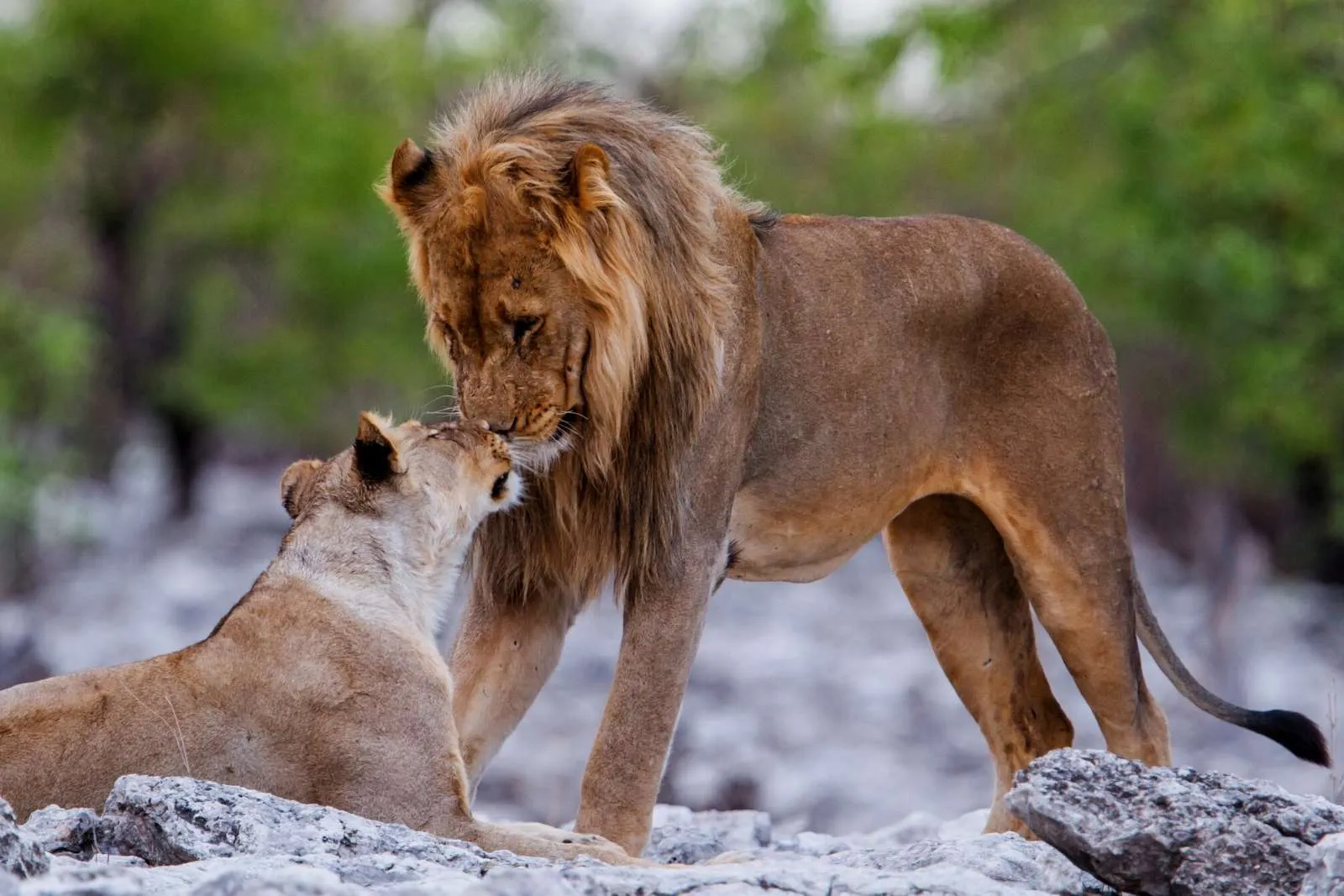
Lion prides mix raw power with tender grooming sessions, where siblings nuzzle after hunts. Males roar to ward off rivals, aggressive displays that protect the group’s cubs. It’s a wild family saga, full of drama and deep affection.
People Also Ask
Curious minds often wonder about the emotional lives of animals, drawing from Google searches that reveal common queries. Here, we tackle real questions to deepen your understanding.
- Do Animals Fall in Love? Yes, many form deep bonds, like albatrosses with lifelong mates, showing behaviors that mimic human romance through dances and shared duties.
- Can Animals Feel Emotions Like Humans? Evidence suggests yes—elephants mourn deaths, and dogs show jealousy, backed by brain activity studies.
- Why Do Some Animals Mate for Life? It boosts survival, as seen in swans where pairs coordinate better for raising young in tough environments.
- How Do Animals Show Aggression? Through body language like raised hackles or charges, often to defend territory without full fights.
Comparisons: Love vs. Aggression in the Animal Kingdom
Love and aggression often overlap, like in chimpanzee troops where bonds prevent internal wars but fuel raids on outsiders. Love builds alliances; aggression enforces them. In contrast, solitary tigers show little affection, relying on fierce independence for survival. This duality highlights how context shapes behavior—bonded groups thrive on cooperation, lone hunters on raw power.
Pros and Cons: Bonding Strategies
Pros of Strong Bonds: Increased protection, shared resources, emotional resilience. Cons: Vulnerability if a mate dies, energy spent on social maintenance.
Pros of Aggressive Lifestyles: Quick resource gains, dominance perks. Cons: Higher injury risk, isolation from groups.
Where to Get Involved with Wildlife Observation
For those eager to witness these behaviors, national parks like Yellowstone offer guided tours for spotting wolf packs. Organizations such as the World Wildlife Fund provide resources on ethical viewing. Check out their site for volunteer opportunities in conservation.
Best Tools for Studying Animal Behavior
Binoculars like Nikon Monarch series are top for distant views without disturbance. Apps such as iNaturalist help log sightings and connect with experts. For deeper dives, books like “The Emotional Lives of Animals” by Marc Bekoff offer insights.
FAQ
Q: Do wild animals form friendships across species? A: Absolutely—examples include rhinos and birds that groom them, mutual benefits turning into unlikely bonds.
Q: How does human interference affect animal love and aggression? A: Habitat loss amps up aggression over scarce resources, while rescues can foster unexpected human-animal bonds.
Q: Are some animals more affectionate than others? A: Social species like primates show more overt love, while reptiles rely less on bonds, focusing on survival instincts.
Q: Can aggression be a sign of love in animals? A: Yes, like parental defense where ferocity protects loved ones, blending the two emotions seamlessly.
Q: What can we learn from animal emotions? A: They teach empathy and balance, reminding us that love and wildness coexist in all living beings.
In wrapping up, the wild behavior and love in animals paint a vivid picture of life’s complexities, where a growl can protect a tender moment. From my own encounters with curious deer in the woods, I’ve felt that connection—raw, real, and inspiring. For more on wildlife, explore sites like World Animal Protection or Psychology Today articles on animal emotions. Nature’s stories aren’t just out there; they’re invitations to reflect on our own wild hearts.